Orthodontic Instruments Products

14 products
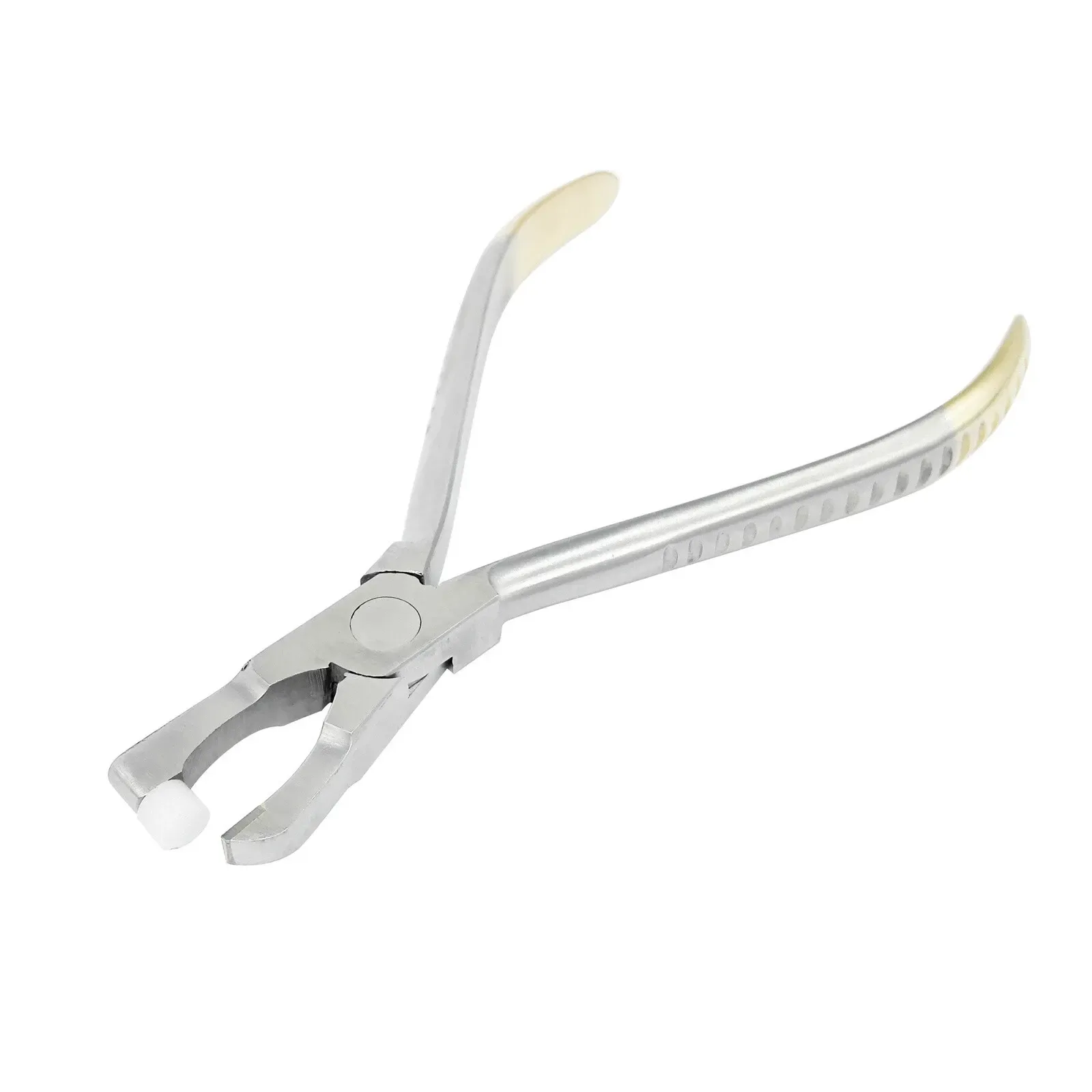
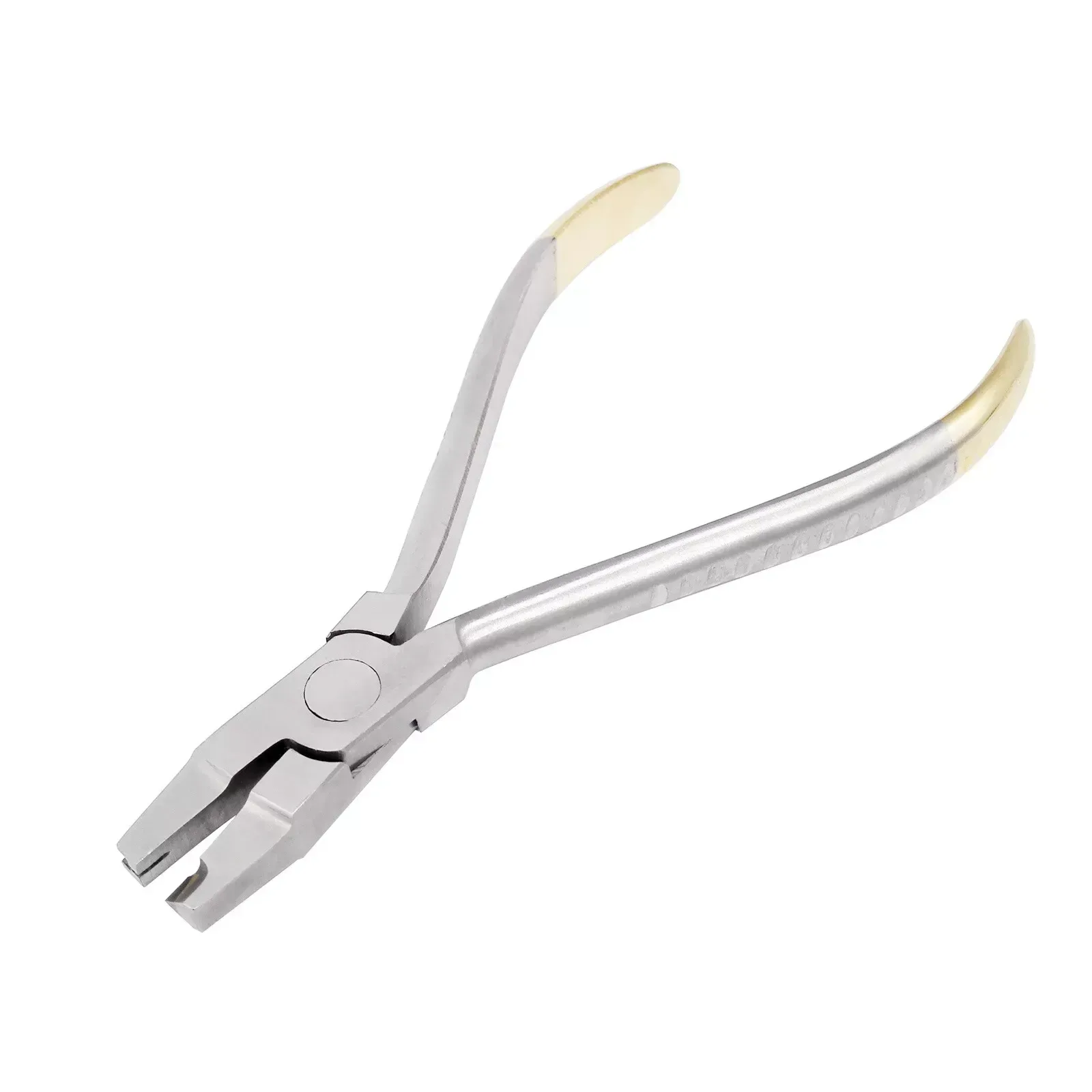
Anterior bracket-removing pliers with opposing flanged tips and recessed handles
Orthodontic Pliers

Anterior Bracket-Removing Pliers

Orthodontic pliers with opposing flanged jaws for removing brackets from the front teeth at the end of treatment. About 6.7 inches long, with recessed handles.

Single piece $22.95
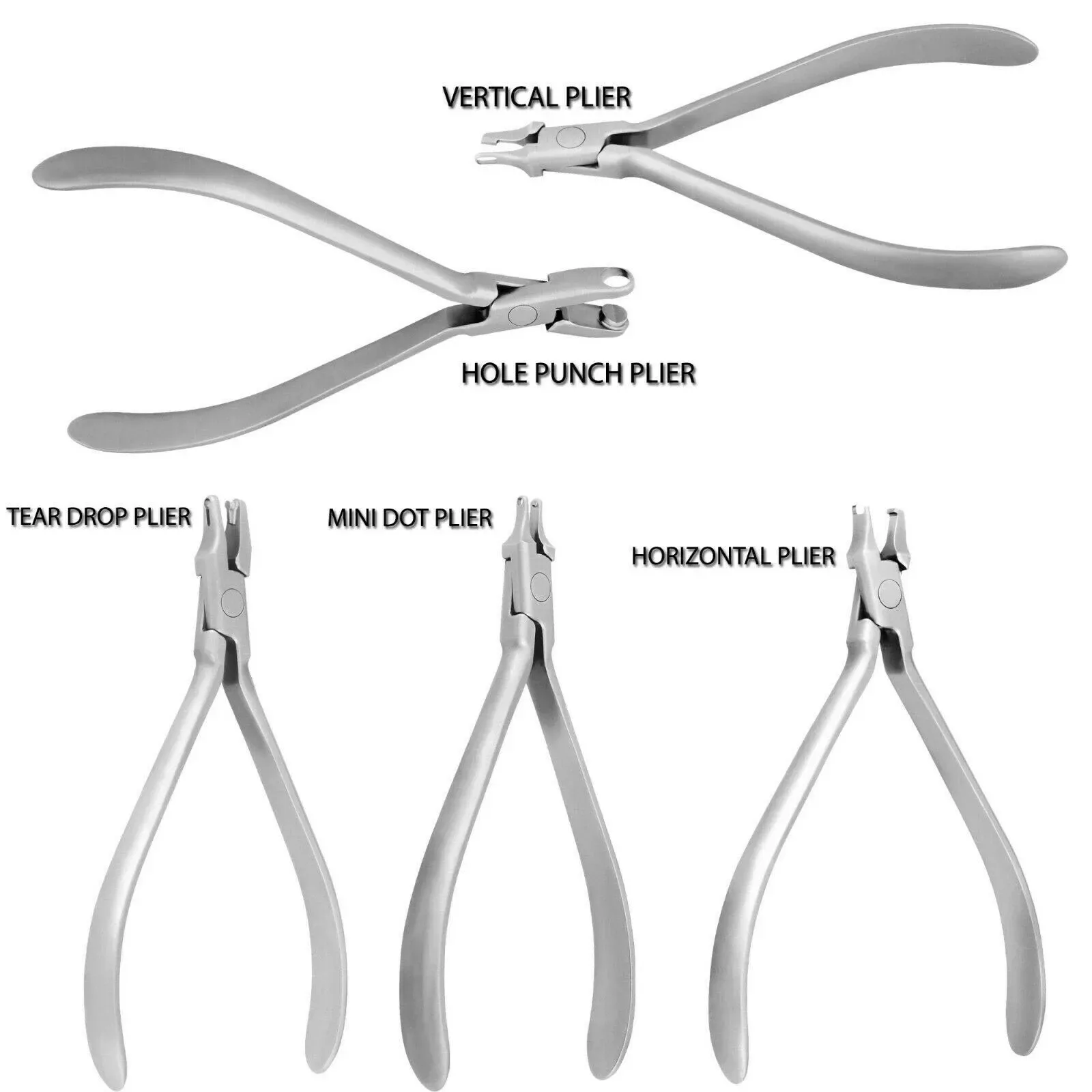
Five clear aligner pliers showing vertical, horizontal, hole-punch, teardrop and mini-dot patterns

Clear Aligner Pliers Set (5 Pcs)

Five hand pliers for adjusting thermoplastic aligners: teardrop and hole-punch pliers cut openings, and horizontal, vertical and mini-dot pliers form indentations. Supplied with a stand; single patterns can also be requested.

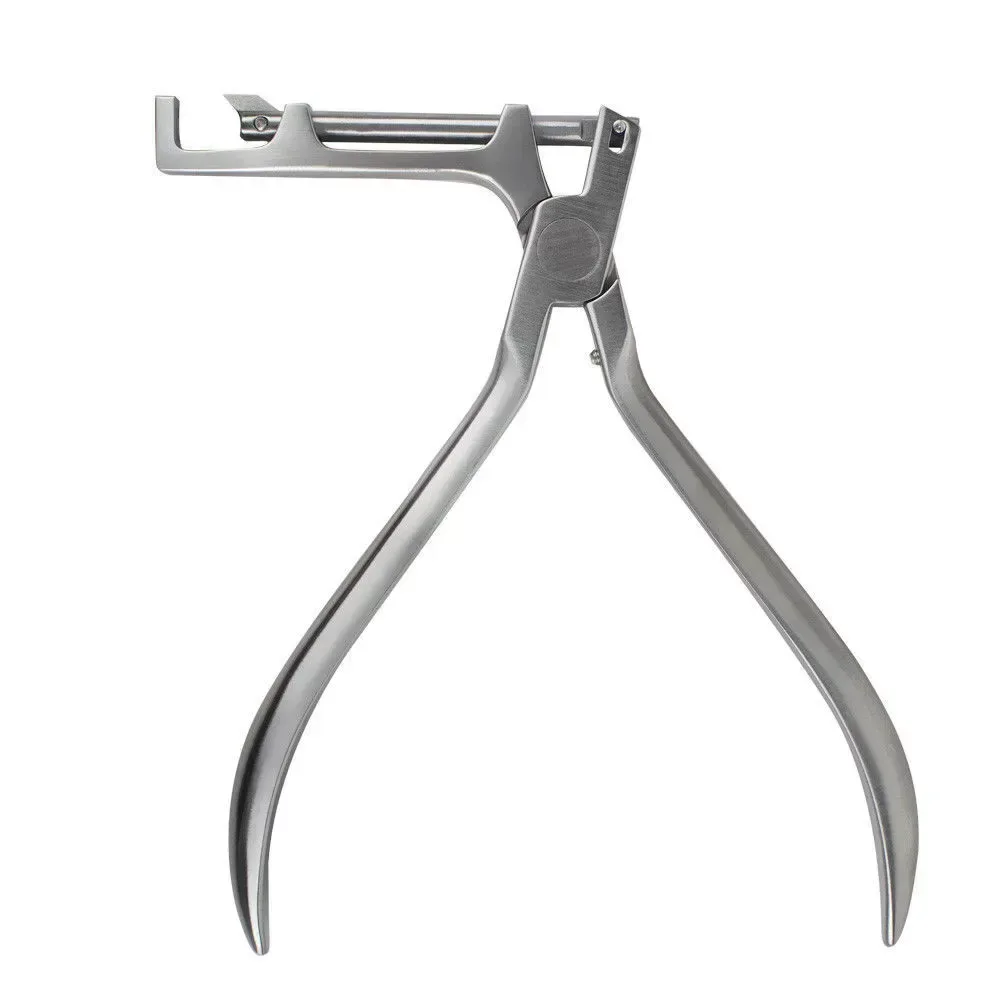
Buccal tube cap removing plier with angular jaw and curved handles
Orthodontic Pliers

Convertible Buccal Tube Cap Removing Pliers

A dedicated plier for removing the cap from a convertible buccal tube, with an angular working head, a projecting tip and a TC (tungsten carbide) working-end option. Supplied as one complete plier.

Single piece $22.95
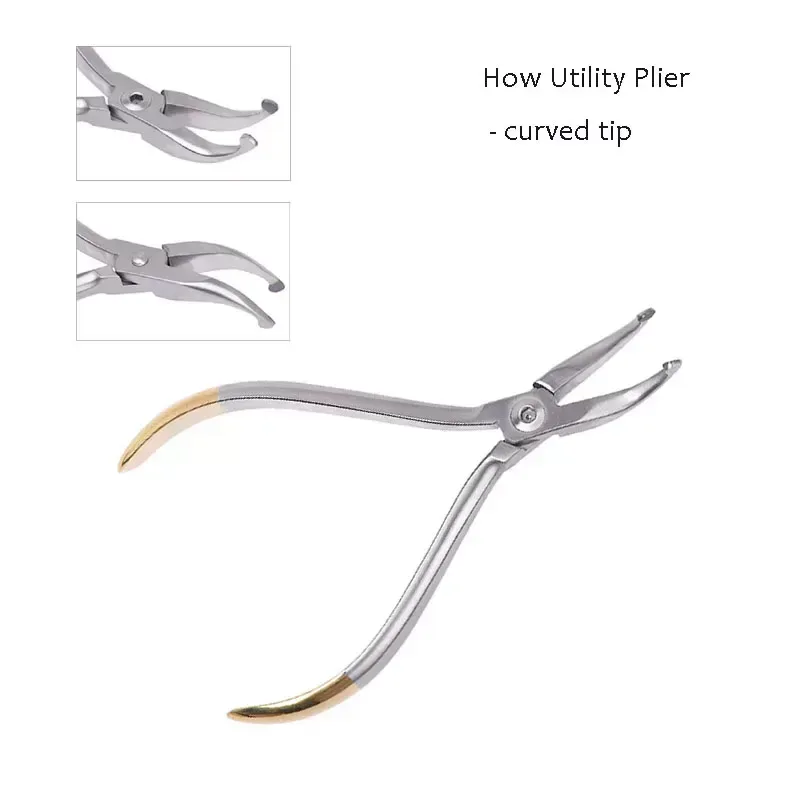
Curved How utility pliers with broad curved jaws and gold-coloured handle ends
Orthodontic Pliers

Curved How Utility Pliers

Curved How orthodontic utility pliers, 14 cm long, with broad curved jaws for holding and placing archwires, ligatures and other small parts, especially towards the back of the mouth.

Single piece $27.95
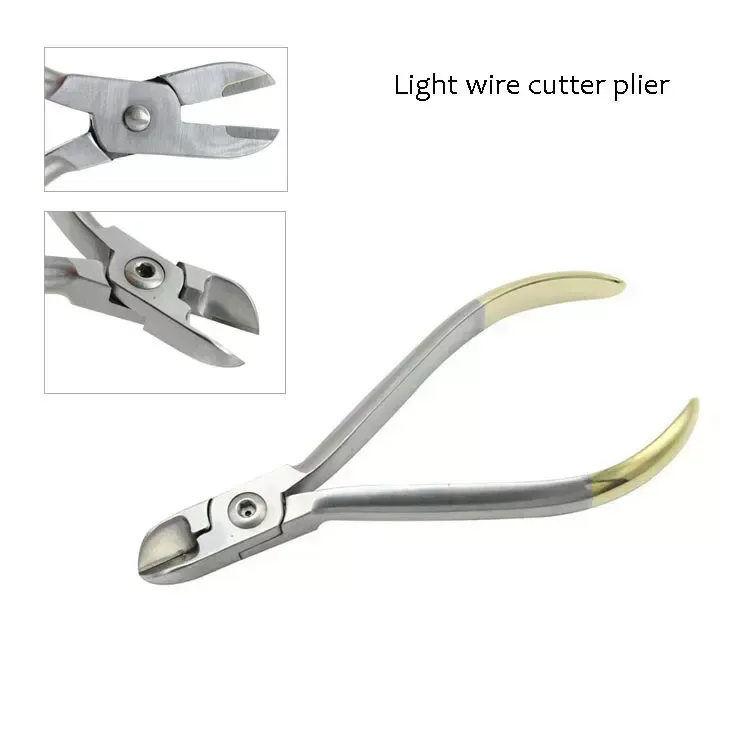
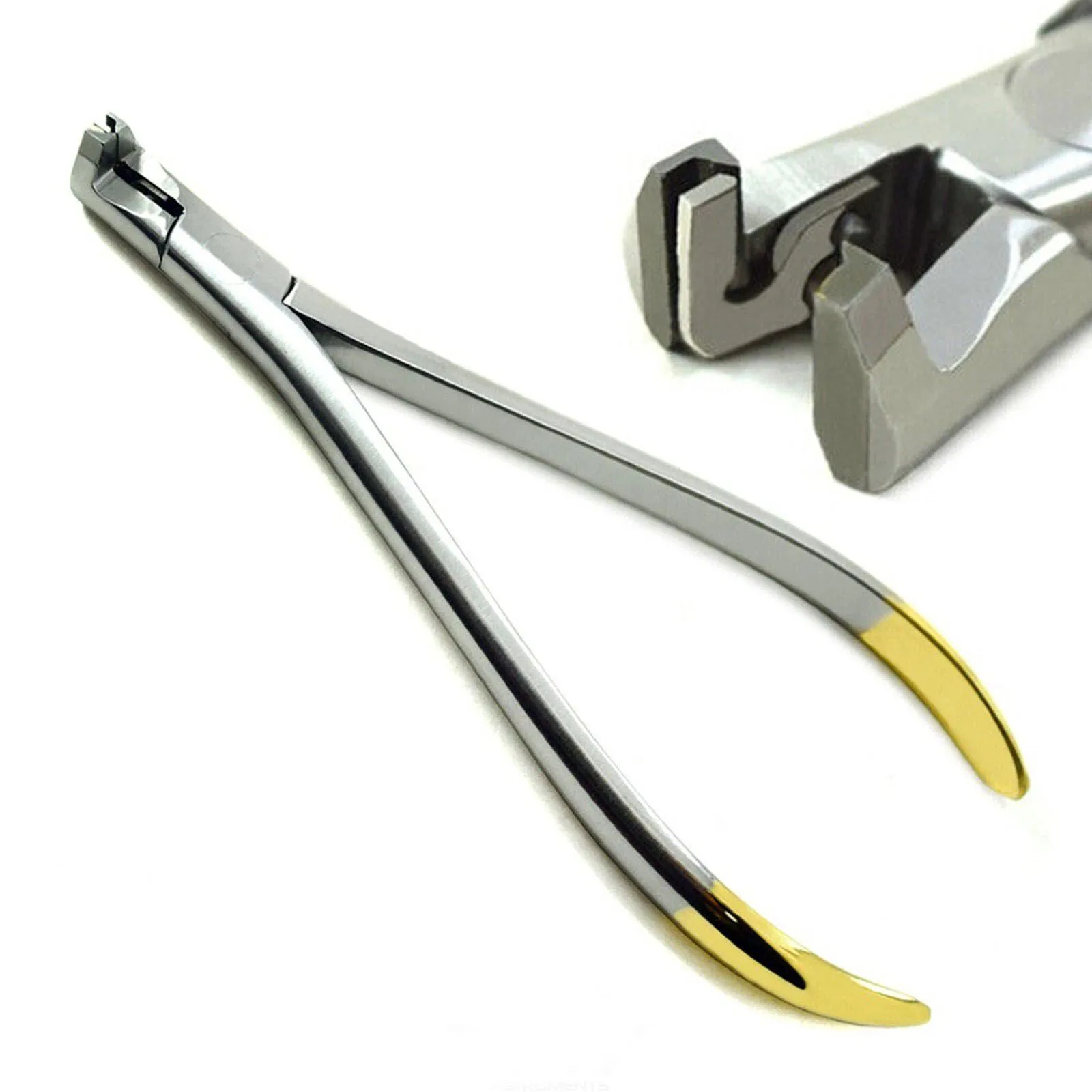
Fine orthodontic ligature wire cutter showing its narrow cutting head — view 1
Orthodontic Pliers

Fine Ligature Wire Cutter

Orthodontic ligature wire cutter, 12.5 cm long, with a fine, narrow cutting head for trimming ligature ties close to the bracket.

Single piece $31.95
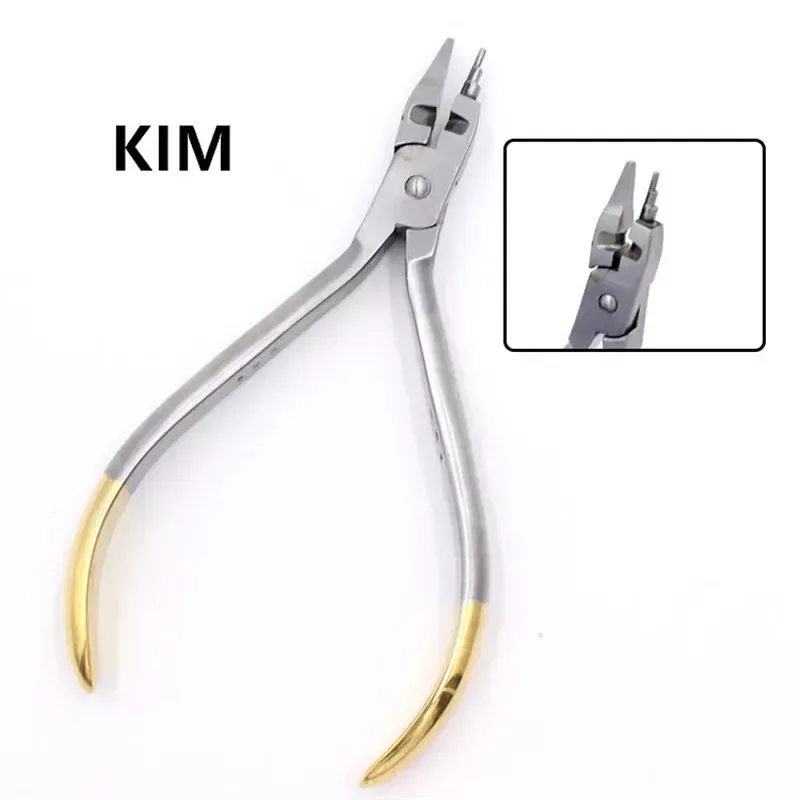
Kim loop-forming pliers with a stepped cylindrical beak and integrated cutting feature
Orthodontic Pliers

Kim Loop-Forming Pliers with Cutter

Kim orthodontic pliers, 12.5 cm overall, with a TC (tungsten carbide) designation. One instrument combines a stepped round beak for forming loops in archwire with an integral cutter for trimming.

Single piece $34.95
Band-removing pliers showing the fitted white pad and opposing metal beak
Orthodontic Pliers

Orthodontic Band-Removing Pliers

Orthodontic band-removing pliers, 13 cm long, with a white contact pad that rests on the biting surface of the tooth and a metal beak that hooks under the band edge to lift it off.

Single piece $22.95
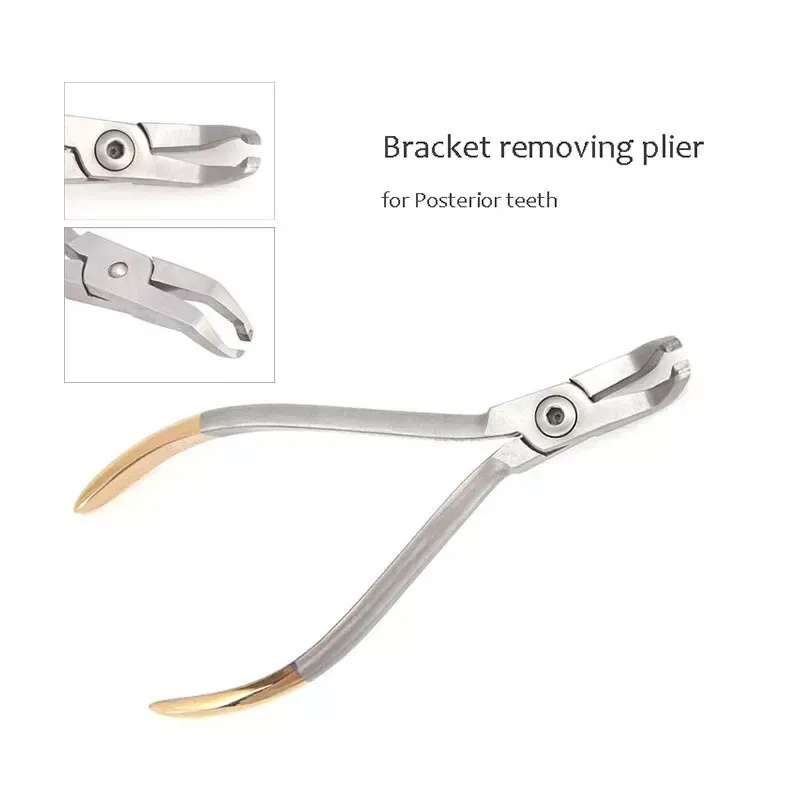
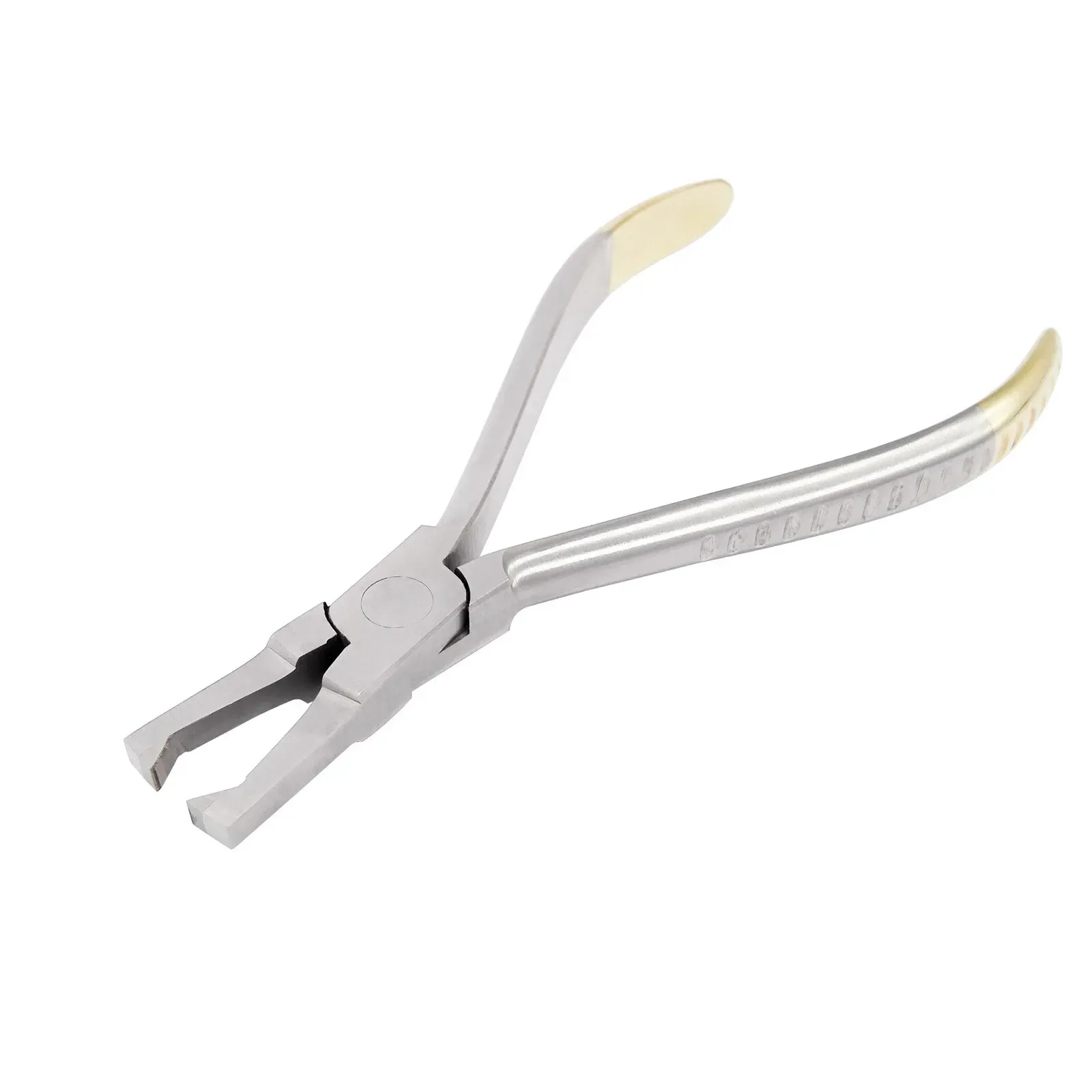
Orthodontic bracket remover pliers, full view

Orthodontic Bracket Remover Pliers

Orthodontic bracket remover pliers for removing bonded brackets. A 13 cm posterior pattern with angled jaws and a TC (tungsten carbide) designation.

Single piece $10.00
Orthodontic distal end cutter with cutting-head detail — view 1

Orthodontic Distal End Cutter

Orthodontic distal end cutter for trimming the end of the archwire behind the last molar tube. Tell us the wire material and size you cut, and we confirm the matching cutter in your quotation.

Request pricing
Hook-crimping pliers with a slotted head and recessed handles
Orthodontic Pliers

Orthodontic Hook-Crimping Pliers

Orthodontic hook-crimping pliers, 12.5 cm long, with a slotted head that squeezes crimpable hooks and stops onto the archwire so they stay where you place them.

Single piece $22.95
Empty metal orthodontic plier stand with two side supports and horizontal rails

Orthodontic Plier Stand

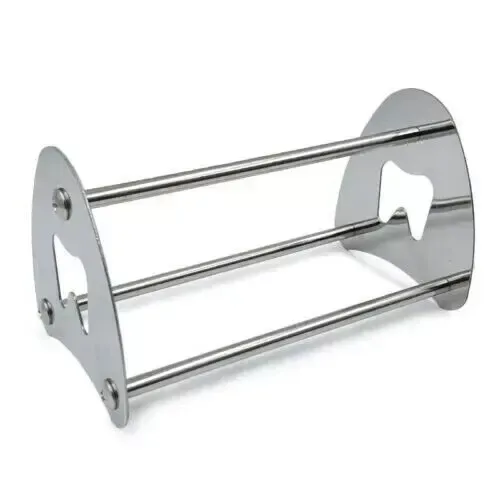
Open metal orthodontic plier stand, 18.5 x 11 x 12 cm, with horizontal rails that hold pliers upright so each one is easy to see and pick up. Supplied empty.

Listed configuration $13.00
Weingart utility plier showing tapered angled jaws — view 1
Orthodontic Pliers

Orthodontic Weingart Utility Pliers

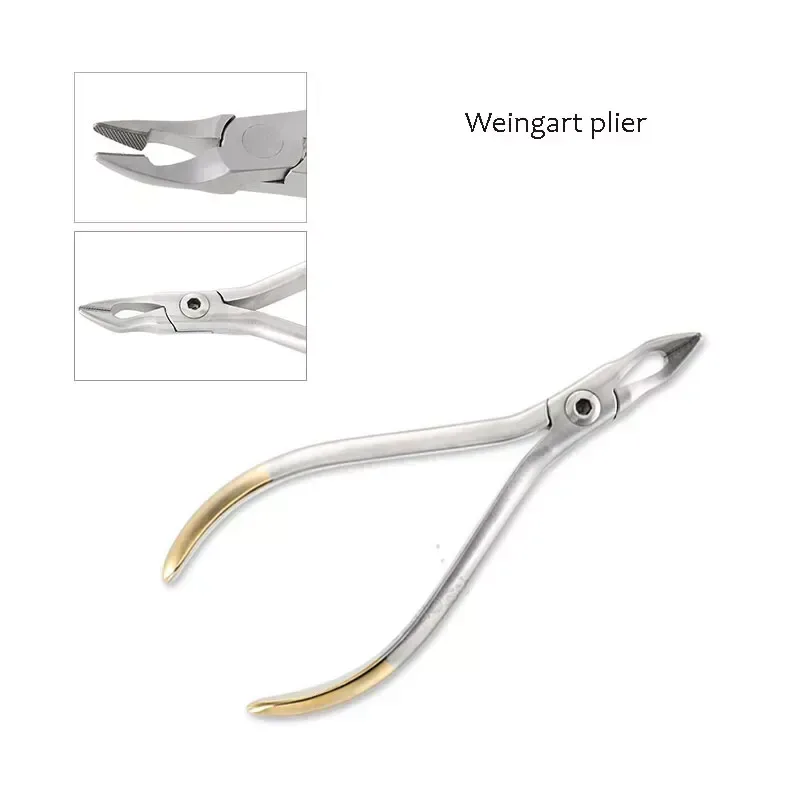
Orthodontic Weingart utility pliers, 14 cm overall, with tungsten carbide (TC) working ends. Tapered, angled serrated jaws grip and position archwire and small orthodontic parts. Supplied as one complete plier.

Stainless steel
Single piece $27.95
Ribbon-arch bending pliers with broad short flat jaws and gold-coloured handle ends
Orthodontic Pliers

Ribbon-Arch Bending Pliers

Orthodontic ribbon-arch bending pliers, 12.5 cm long, with broad, short, flat jaws that grip rectangular archwire firmly for bending and adjusting with control.

Single piece $10.00
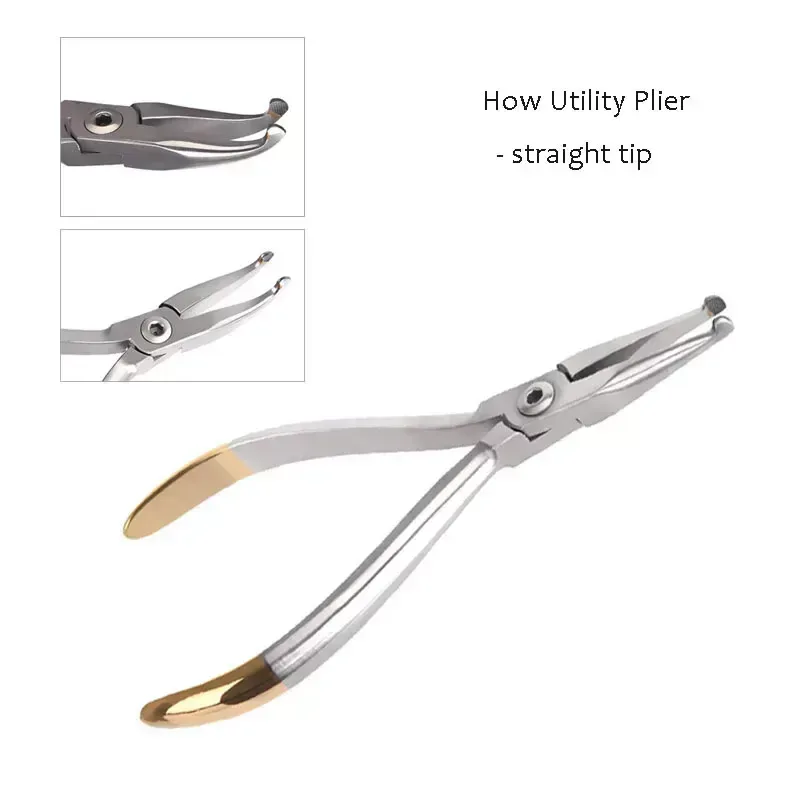
Straight How utility plier with broad gripping jaws
Orthodontic Pliers

Straight How Utility Pliers

Straight How orthodontic utility pliers, 14 cm long, with broad gripping jaws for holding and placing archwires, ligatures and other small parts, especially towards the front of the mouth.

Single piece $27.95

Browse Orthodontic Instruments by Type
Narrow the range to the instrument family that matches the pattern or procedure you need.

Orthodontic Instruments Buying Specifications

SpecificationDetails
Choose by taskWire handling, bending, cutting, debonding, aligner adjustment, band seating, or ligature placement
Five-piece aligner assortmentTeardrop, hole punch, horizontal, vertical and mini-dot; stand separate from the five-plier count
Working geometryJaw profile, tip dimensions, smooth or serrated surface, cutting edge, and safety-hold feature
CapacityVerified wire type and diameter or dimension for the exact product
ConstructionSpring, joint, handle, insert material where verified, overall length, and finish
Order formatIndividual patterns, functional groups, instrument kits, replacements, or private-label assortments

How to Choose Orthodontic Instruments

Choose Orthodontic Instruments by Task

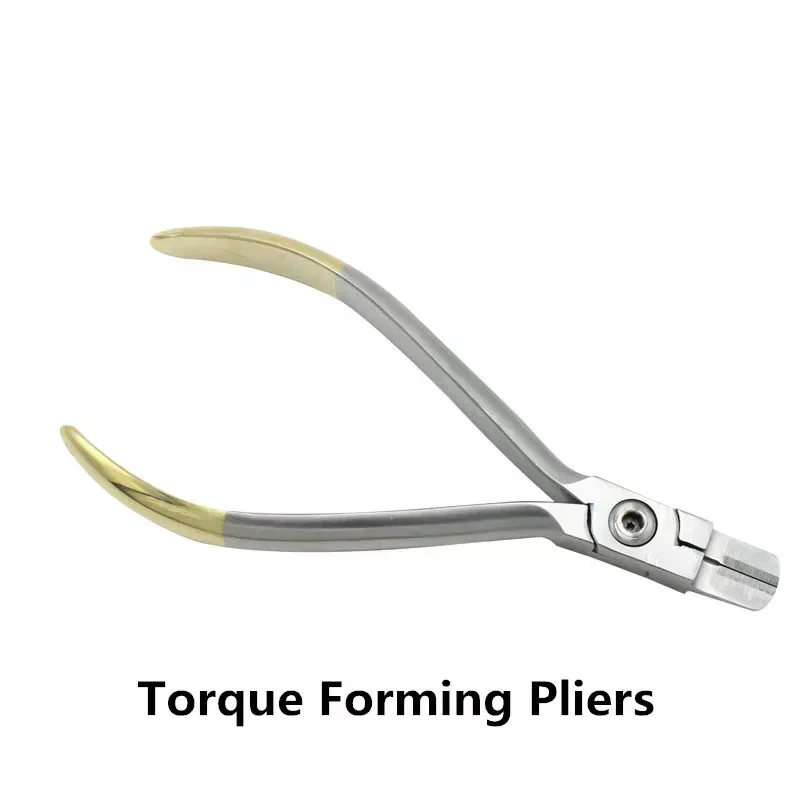
An orthodontic instrument name should tell the buyer what the jaws or cutting edges are designed to do. Utility pliers grasp and guide wire; forming pliers create bends or loops; cutters are selected by the wire they are rated to cut; bracket-removal pliers are designed around debonding access; clear-aligner pliers create a defined adjustment; band pushers and ligature directors manage different parts of appliance placement.

Start the order with the task, then name the pattern. This prevents a general “orthodontic plier” request from combining products that have different jaws and capacities. Schools and distributors should keep the task and exact pattern together in their purchasing list so replacements can be ordered consistently.

  • Wire handling and forming — Compare utility, bending, loop-forming, and other stocked jaw profiles by verified purpose and capacity.
  • Wire cutting — State light, hard, ligature, pin, or distal-end application only when the exact cutter is rated for it.
  • Debonding and removal — Record bracket or adhesive-removal pattern, jaw pads or edges, angle, and replacement parts where supplied.
  • Aligner, band, and ligature tools — Use the exact adjustment or placement feature, tip form, and product reference.

A Defined Five-Pattern Set for Aligner Adjustment

The clear-aligner set supplies one of each named pattern. Teardrop and hole punch are cut-out patterns; horizontal, vertical and mini-dot are forming patterns. The stand is an organizer, not a sixth plier. A cassette is an alternative quotation rather than an additional standard inclusion.

This is distinct from a wire-handling or wire-cutting assortment. Wire capacity is not a rating for thermoplastic thickness, and a familiar plier name does not establish compatibility with every aligner material. Check the required cut-out or indentation dimensions and material capacity for the exact supplied tool.

Jaw Geometry Comes Before a Generic Pliers Label

Two pliers of the same overall length can perform different jobs because one has tapered round jaws, another has flat or serrated jaws, and another includes a cutting edge. Compare close-up jaw views, tip form, serration, angle, and dimensions. A carbide insert applies only to the exact product carrying that verified feature.

Joint alignment and spring action also affect repeatable handling. Buyers should specify whether a return spring is required, the preferred handle, overall length, and any finish or marking. A replacement should be matched by product reference or measured jaw photographs rather than by color or silhouette alone.

Record Wire Capacity in the Same Units as the Buyer

Wire capacity is a product specification, not a category-wide promise. A distal-end cutter, ligature cutter, and hard-wire cutter can have different limits and should not inherit one number from another. The quote request should state wire material, shape, and dimension in the buyer’s preferred unit, together with the exact instrument pattern.

When a capacity is not shown on the product page, ask for confirmation before ordering. Do not assume that a larger-looking cutter is rated for a heavier wire. The same rule applies to clear-aligner punch dimensions and slot-specific tools: record the feature and measurement at variation level.

Build Individual Orders or Functional Kits

Individual instruments are appropriate for replacement and focused ranges. A kit should be organized around a defined workflow such as bonding, archwire adjustment, debonding, banding, or clear-aligner adjustment. Review the exact bill of materials, piece count, cassette, and replacement availability before treating a kit title as a complete purchasing specification.

For a school list or private-label range, send each instrument name, pattern, capacity, quantity, handle, marking, packaging, and destination. We can quote the defined composition and discuss samples or packaging without changing product identity to fit a generic set label.

Inspection, Care, and Repeat Ordering

Inspect cutting edges, jaw alignment, tip surfaces, joint movement, spring return, handles, and any replaceable pads or inserts. Cleaning, lubrication where permitted, packaging, and sterilization must follow the instructions for the exact instrument and the facility protocol.

Manufacturer-direct quotations can include available material and finish evidence, approved samples, product marking, packaging, and export documentation. Keep the confirmed product reference with the order so a later reorder does not rely on an informal name used only inside one practice.

For repeat supply, retain the approved jaw photograph, tip dimensions, wire-capacity units, handle, finish, and SKU together. If a school or distributor changes one item in a set, revise that line without replacing the identity of the other instruments. This makes receiving inspection and replacement ordering more consistent.

Orthodontic Instruments FAQ

How do I choose between orthodontic cutters, utility pliers and forming pliers?

Choose the task first: cutting, holding or forming wire requires different working ends. Compare the cutter rating for cutting requests, the grip and jaw profile for utility pliers, and the actual forming geometry for bending patterns. A shared orthodontic label or handle size does not make these instrument groups interchangeable.

What should a wire-capacity specification include?

It should identify the exact instrument, wire material, round or rectangular form, complete dimensions and units, plus any stated conditions. A rating for one wire alloy or shape should not be transferred to another. Record the capacity beside the selected reference so a later replacement can be evaluated on the same basis.

Does a distal-end cutter always retain the cut wire segment?

No. Retention is a feature of the particular cutter configuration, and distal-end, flush-cut and cut-and-hold descriptions need to be distinguished in the product specification. If retention is required, include that requirement with the applicable wire rating; the cutter family name alone does not establish a holding feature or its operating limits.

Should aligner pliers be compared as wire-bending pliers?

No. Aligner pliers are compared by the shape or opening their working ends produce in the appliance material, while wire pliers are compared by wire-handling or forming geometry and relevant capacity. Keep the two groups separate in a mixed orthodontic list, then compare the exact patterns and contents of any proposed set.

What makes an orthodontic set easier to replenish later?

Keep one line for each instrument's exact pattern, working-end configuration, applicable wire rating and quantity. Link that line to its replacement reference and position in the set. Record the container separately. A bonding, adjustment or debonding kit name describes the purchasing context, while the instrument schedule defines the actual assortment.

Need Orthodontic Instruments in Bulk?

Send your instrument list and quantities for manufacturer-direct pricing, custom branding, or mixed-category quotes.

WhatsApp