Periodontal Instruments Products

2 products
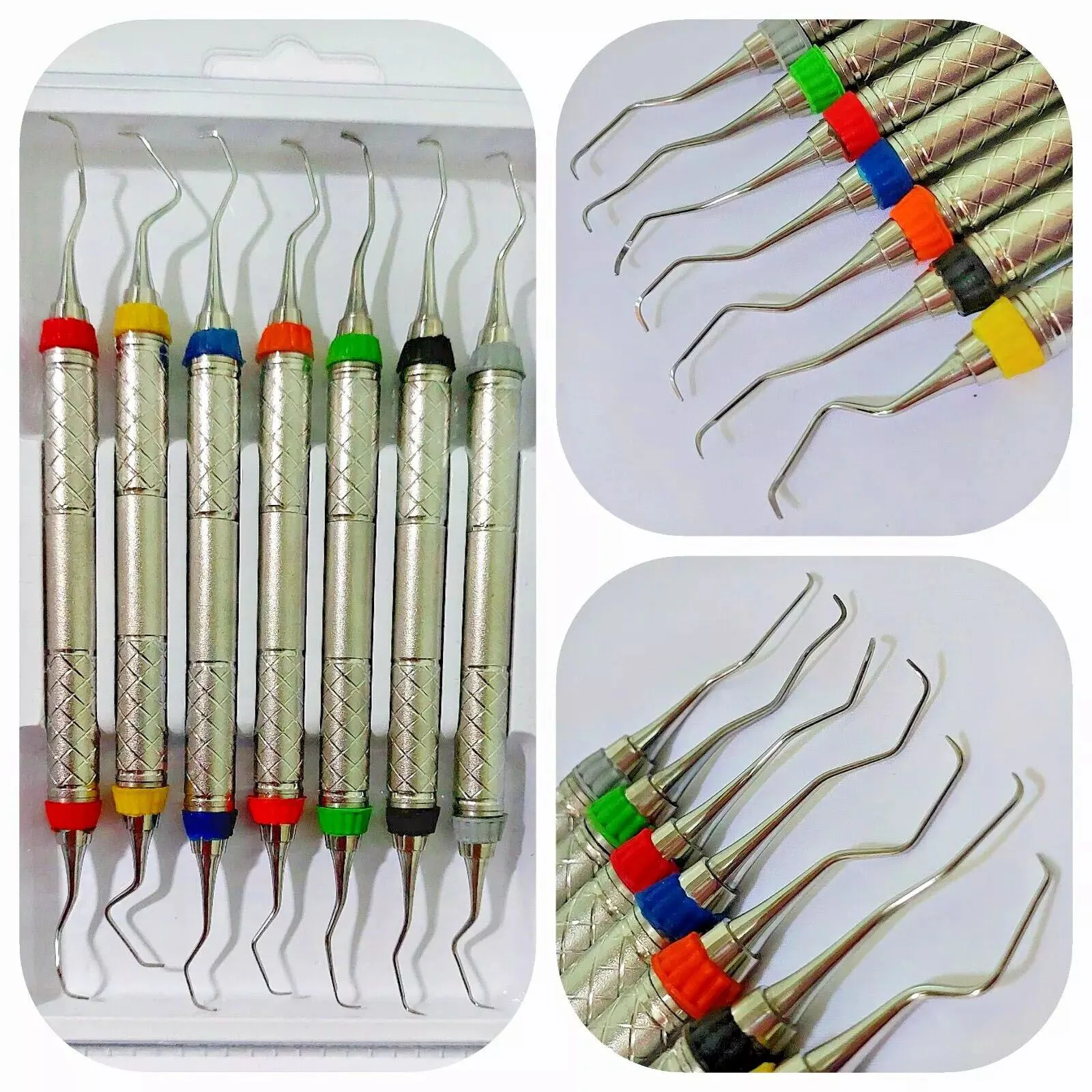
Seven color-banded Gracey curettes in a holder, with close-up insets of the working ends
Gracey Curettes

Gracey Curette Set (7 Pcs)

Set of seven double-ended Gracey curettes with colour-banded handles, in stainless steel with a satin finish. The included figure pairs, quantities and subtype are confirmed in your quotation. Also sold as single curettes.

Stainless Steel
Single piece $6.50 · Set $45.00
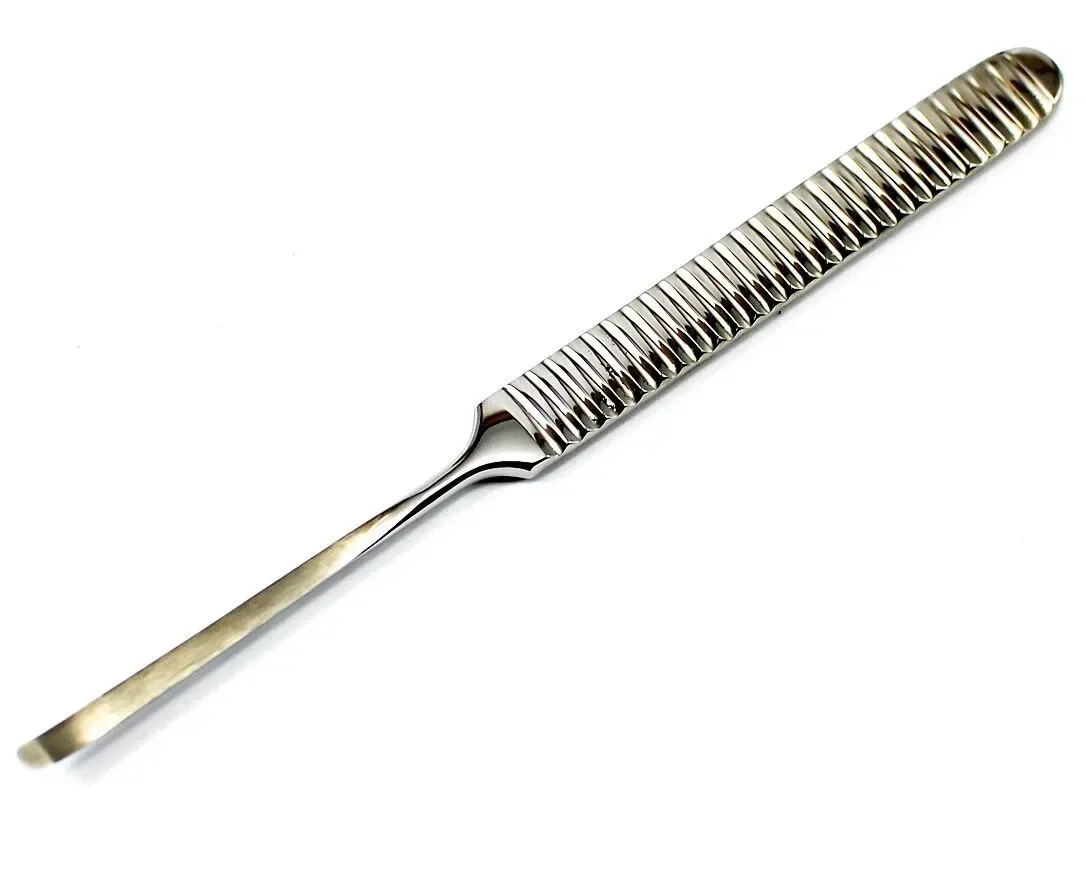
Williger-pattern periosteal elevator with a flat working end and ribbed handle

Williger Periosteal Elevators

Williger periosteal elevators are a named instrument pattern for lifting periosteal tissue away from bone in professional oral surgery. Compare the working-end design and order by reference.

4 variations available
Listed configuration $5.00

Browse Periodontal Instruments by Type
Narrow the range to the instrument family that matches the pattern or procedure you need.

Periodontal Instruments Buying Specifications

SpecificationDetails
Listed instrumentsGracey curette set (7 double-ended curettes: 1/2, 3/4, 5/6, 7/8, 9/10, 11/12, 13/14, also sold as single curettes); Williger periosteal elevators
Enquiry familiesScalers, universal curettes, and periodontal knives by pattern and figure; files and chisels by pattern and cutting surface
Working-end fieldsBlade or tip form, toe, cutting edges, offset, terminal shank, rigidity, and pattern number
Handle fieldsDiameter, texture, material, finish, weight preference, and marking
Order formatIndividual patterns, selected assortments, periodontal kits, or private-label ranges
Ongoing careInspection, sharpening where applicable, cleaning, packaging, sterilization, and replacement

How to Choose Periodontal Instruments

Identify the Family Before the Pattern Number

Periodontal instruments share a tray, but their working ends are designed differently. Sickle scalers have pointed toes and triangular cross-sections. Curettes have rounded toes and a semicircular cross-section. Gracey curettes are area-specific; universal curettes have two cutting edges used across multiple surfaces. Periodontal knives, files, and chisels are separate cutting or contouring families and should not be grouped under scaler simply because they appear in the same specialty. A periosteal elevator, such as the listed Williger, is a tissue instrument for lifting periosteum away from bone; it is not a calculus-removal curette.

Once the family is clear, compare the named pattern, number, blade, terminal shank, side, and handle. This order matters. A number without a family can be ambiguous, while a broad family name without the pattern does not define the working end a buyer expects.

  • Dental scalers (enquiry) — Sickle, Jacquette, hoe, periodontal-file, and implant-maintenance patterns require different comparison fields.
  • Gracey curettes (listed) — A seven-piece set and single curettes by pattern. Area-specific numbering and blade offset are the core selection logic.
  • Universal curettes (enquiry) — Name the pattern family, such as Barnhart, Columbia, Langer or McCall, with its figure and handle.
  • Knives, files, and chisels (enquiry) — Use the exact pattern, blade or cutting surface, side, angle, and handle.
  • Periosteal elevators (listed) — Williger elevators for lifting periosteum from bone; order by reference.

Gracey and Universal Curettes Solve Different Selection Tasks

A single missing or worn instrument does not necessarily require another complete set. Use the individual Gracey range to identify the required pattern and configuration. Choose the seven-piece set when the figure list confirmed in your quotation matches your clinic, course or distributor assortment. Each number pair identifies one double-ended instrument, so a seven-piece set is seven complete instruments, not fourteen loose pieces. The count alone does not show which pairs are included or whether any pair repeats. State the complete figure list, quantities and subtype you need, and list a cassette or pouch separately if required.

A universal curette uses a rounded toe and two cutting edges. Pattern families such as Barnhart, Columbia, Langer, McCall, and Younger-Good differ in blade and shank geometry. They are enquiry patterns here, so send the family, figure, dimensions where known, handle, and quantity.

Choose Scalers by Working-End Form and Access

Scalers are an enquiry range here. Anterior and posterior sickle patterns, Jacquette designs, hoe scalers, periodontal files, and implant-maintenance hand instruments each need different details: cross-section, point or edge form, terminal shank, working-end dimensions, handle, and working-end material. Name the exact pattern and figure so that unrelated designs are not quoted under one familiar number.

Anterior and posterior labels describe access and shank relationships, while pattern names identify a more specific design. Implant-maintenance instruments require their working-end material to be verified; they must not inherit a material claim from conventional steel scalers.

Match the Figure and Subtype, Then Plan Handles and Sets

Identify a Gracey curette by its full figure pair and its subtype together. The same figure pair can come as a standard instrument or in a modified form such as a mini or extended-shank version, so a number alone does not tell you which one you are replacing. Tell us the figure pair, the subtype if you know it, and the handle, and we confirm what the supplied set has and what is available.

Handle diameter, texture, and weight affect buyer preference and range consistency. Record the handle with every order line, especially for dental schools and distributors that need repeatable sets.

A periodontal kit needs an exact bill of materials. A hygiene-focused scaler and curette set, a Gracey assortment, a universal curette selection, and a periodontal surgery kit are different compositions. Send the desired patterns, quantities, handle, cassette, marking, and packaging for a custom quote.

Inspection, Sharpening, and Reprocessing

Reusable periodontal instruments need regular inspection for working-end damage, corrosion, loose handles, and loss of edge where the design is intended to be sharpened. Ask for the relevant care information with your quotation. Product-specific instructions and the healthcare facility protocol remain controlling.

For wholesale and private-label orders, provide the family, pattern, figure, handle, quantity, packaging, marking, and destination. We can discuss approved samples, material and finish declarations, quality documentation, and repeat-order controls as part of the quotation.

Periodontal Instruments FAQ

Which periodontal instruments are currently listed?

A seven-piece set of double-ended Gracey curettes (1/2 to 13/14, also sold as single curettes) and Williger periosteal elevators. Scalers, universal curettes and periodontal knives have enquiry pages rather than product listings: send the pattern, figure and handle you need and we confirm what we can quote.

How do I choose between scalers, curettes and periodontal knives?

Start with the instrument family specified on the clinical list. Scalers and curettes differ in working-end geometry; periodontal knives are a separate cutting-instrument family. Use the narrower collections to compare patterns within that family, rather than treating a shared periodontal label or matching handle as evidence that the instruments serve the same requirement.

What is the difference between a universal curette and a Gracey curette?

A conventional universal curette has two cutting edges per working end. Conventional Gracey curettes are area-specific patterns, with their blade and shank arrangement guiding pattern selection. Choose the family requested by the clinical team, then check its exact configuration; specialized manufacturer designs can differ from the conventional forms.

Does a Gracey number pair count as two instruments?

No. A pair such as 11/12 names the two working ends of one double-ended curette, so the seven-piece Gracey set is seven instruments with fourteen working ends. Count complete instruments, and keep any cassette or pouch as a separate line.

How does a sickle scaler differ from a rounded-toe curette?

A conventional sickle scaler has a pointed tip and triangular working-end cross-section. A conventional curette has a rounded toe and a rounded back. Those distinctions help identify the requested family before comparing its figure and shank. They are procurement identification features, not instructions for choosing or treating a particular patient.

Is a periosteal elevator the same as a curette?

No. A periosteal elevator, such as the listed Williger pattern, is a tissue instrument for lifting the periosteum away from bone, while a curette is a debridement instrument with a rounded toe and cutting edges. They belong to different families, so order each by its own reference.

Do periodontal instrument numbers also define blade size or rigidity?

A number identifies a pattern within a named family. Blade size, terminal-shank length and rigidity are separate configuration attributes. Manufacturers can offer standard, modified or rigid versions around familiar figures. Keep the full family, figure and selected reference together so a replacement is checked against the required working end.

How can I compare a periodontal assortment with individual replacements?

Use an itemized schedule showing each family, full figure, configuration and quantity, and mark which lines are replacements and which belong to a complete assortment. That reveals repeated or missing patterns and keeps the container separate from the instrument count. Retain the approved references for later replenishment.

Need Periodontal Instruments in Bulk?

Send your instrument list and quantities for manufacturer-direct pricing, custom branding, or mixed-category quotes.

WhatsApp