Prosthodontic Dental Instruments Products

5 products
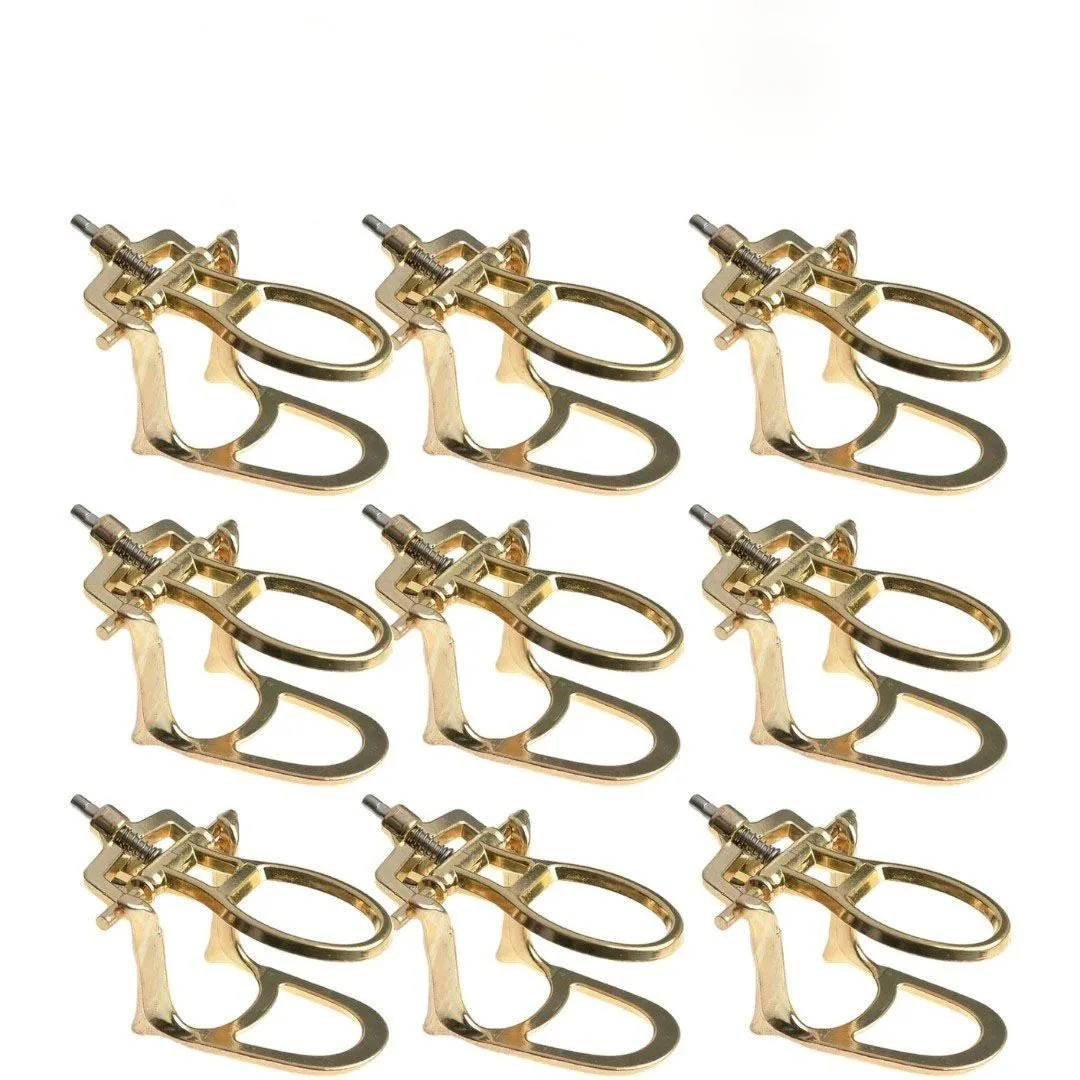
Repeated gold-coloured dental articulator frames with adjustment hardware

Dental Articulators

Dental articulators for mounting upper and lower casts, in simple hinge, mean-value, magnetic-mounting and semi-adjustable options. Choose by how much jaw movement you need to reproduce.

Metal frame; component materials confirmed for the selected model
4 variations available
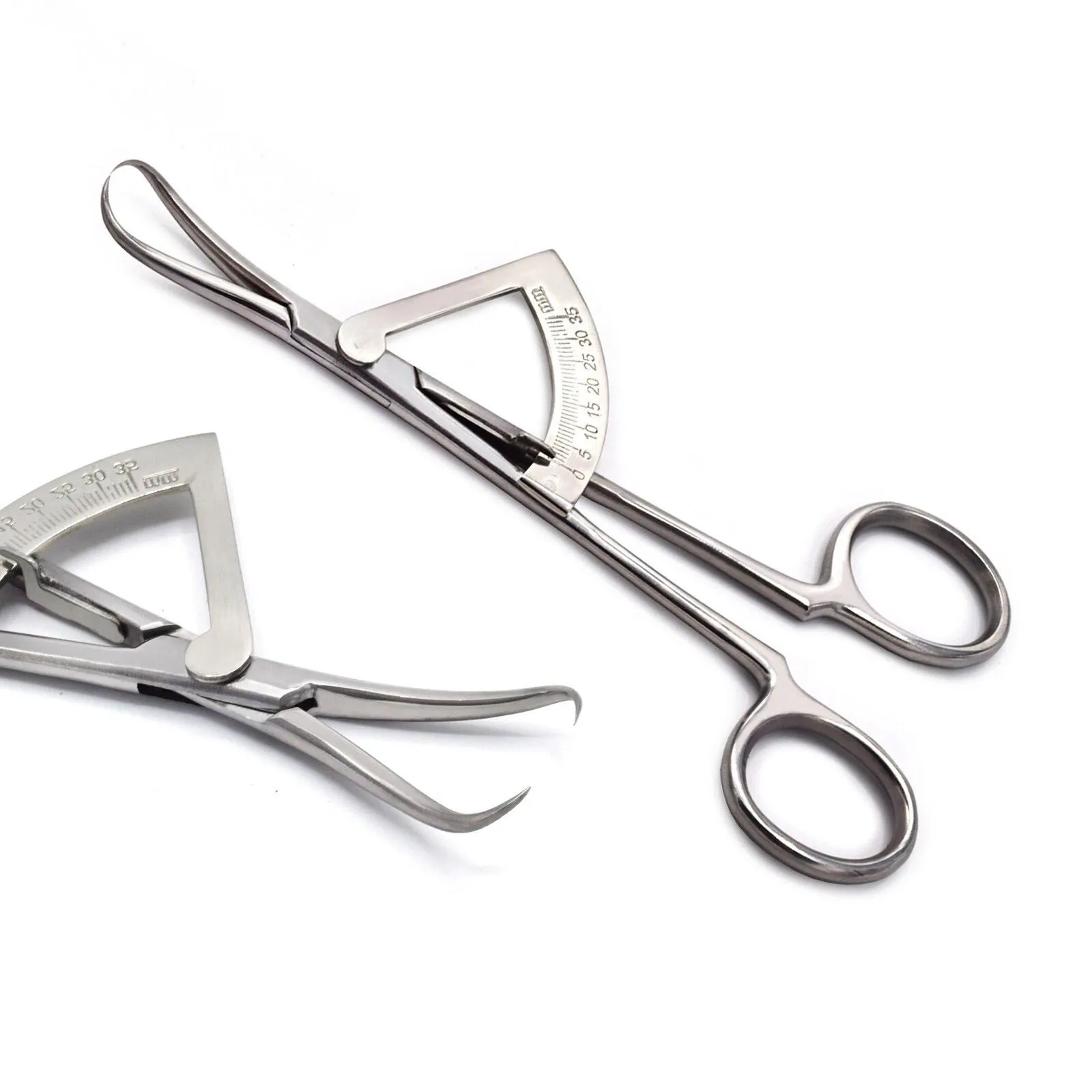
Ring-handle dental ridge caliper with graduated arc — view 1

Dental Calipers

A ring-style dental ridge mapping caliper with curved, opposing pointed tips and a graduated millimeter arc reading from 0 to 35 mm, for measuring the width and thickness of the alveolar ridge.

2 catalogue references
Listed configuration $6.00
Double-ended dental cement spatulas with enlarged blade-profile details
Spatulas & Bowls

Dental Cement Spatulas

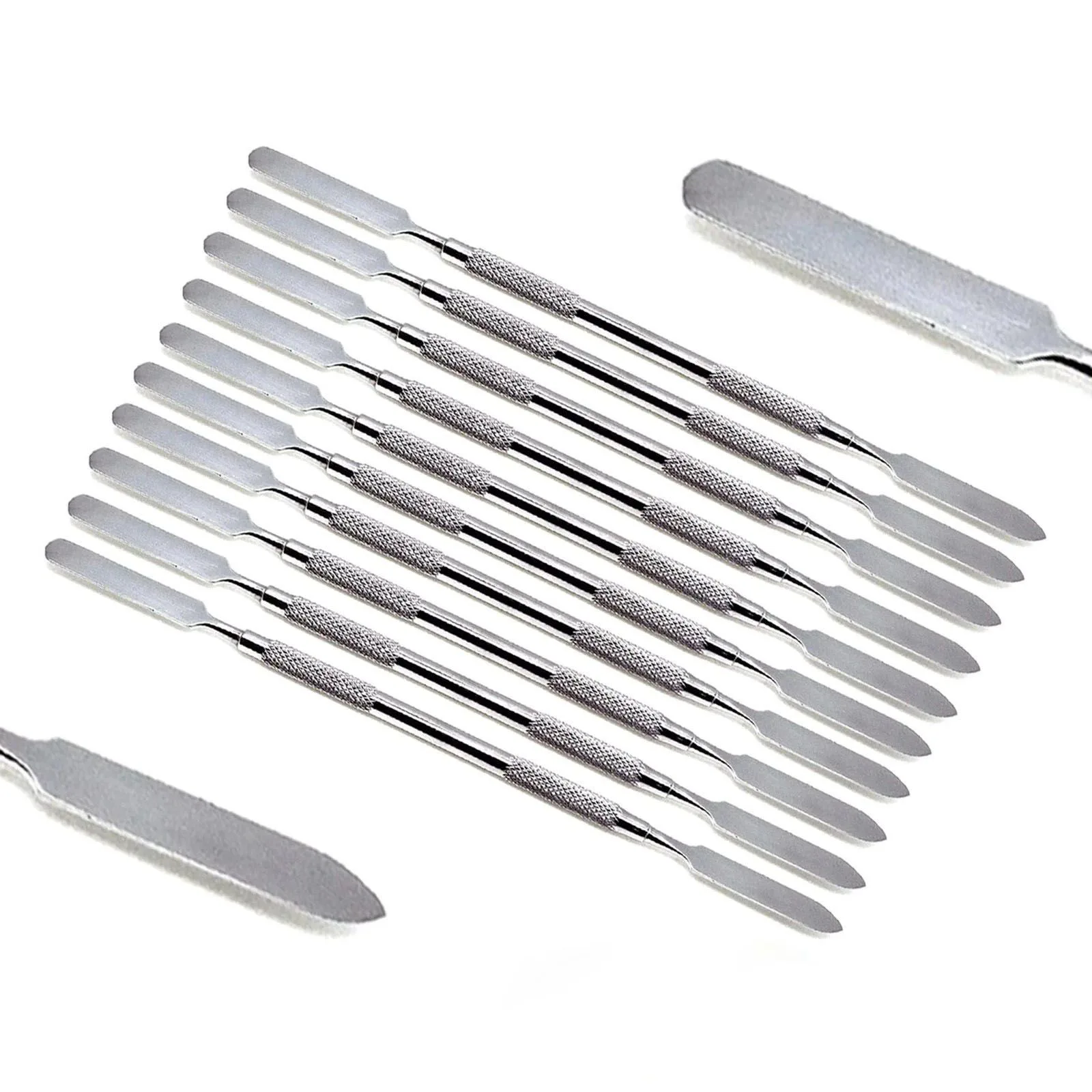
Double-ended dental cement spatulas with flat, stiff blades for mixing cements, liners and bases on a pad or glass slab. Choose single figures from 00 to 4, or a 10-piece set.

Stainless steel; grade confirmed for the selected figure
8 variations available
Dental Crown Remover Patterns — detail view 1

Dental Crown Remover Patterns

Dental crown-removal instruments for removing or disassembling crowns and bridges, including manual sliding-weight removers with working attachments, spring-impact designs, crown spreaders and a bridge-removal set.

8 variations available
Request pricing
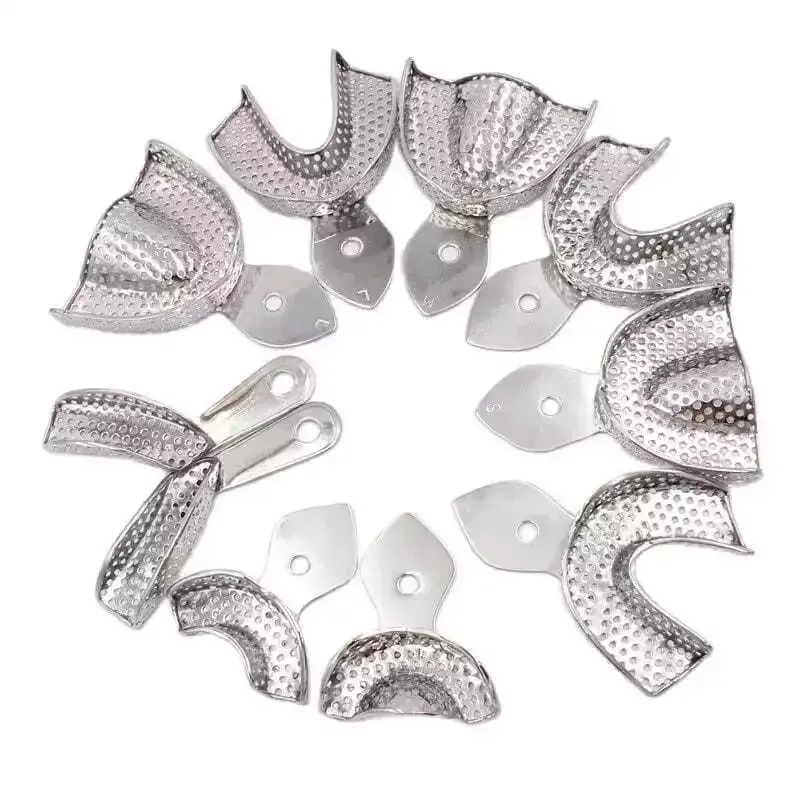
Perforated metal upper and lower dental impression tray patterns

Impression Trays

A ten-piece set of perforated impression trays: three upper and three lower full-arch trays in three sizes each, plus two anterior and two sectional trays for partial impressions.

25 catalogue references

Browse Prosthodontic Dental Instruments by Type
Narrow the range to the instrument family that matches the pattern or procedure you need.

Prosthodontic Dental Instruments Buying Specifications

SpecificationDetails
Impression traysTen perforated trays: 3 upper full-arch (palatal), 3 lower full-arch (open center), 2 anterior, 2 sectional; also single trays or a mixed set
MeasurementRing-style ridge mapping caliper, graduated arc 0–35 mm, curved opposing pointed tips (reference DIS-GRP-CALIPERS)
Crown removalManual sliding-weight (sliding-hammer) and spring-impact removers, crown spreader, bridge-removal set; remover and attachments referenced separately
ArticulatorsSimple hinge, mean-value, semi-adjustable and magnetic-mounting types; metal frame; mounting plates confirmed in the quotation
Cement spatulasDouble-ended, flat stiff blade; Fig. 00, 0, 1, 2, 3 and 4, or a 10-piece set
Order detailsExact product or type, quantity, attachments or plates, packaging, branding, and destination

How to Choose Prosthodontic Dental Instruments

Choose a Product by the Chairside or Laboratory Task

The five listed products answer five different jobs: taking an impression, measuring the ridge, removing or disassembling a crown or bridge, mounting casts, and mixing cement. They share a specialty but not a specification, so choose the task first and then compare that product's own fields.

Where a task needs more than one instrument, such as a tray set and an articulator for the same laboratory, order each on its own line so its sizes, type or mechanism stay clear.

  • Impression trays — A ten-piece perforated set, or single trays and mixed sets. Arch, coverage and size are the order fields.
  • Ridge mapping caliper — A ring-style caliper with a 0–35 mm graduated arc for the width and thickness of the alveolar ridge.
  • Crown removers — Manual sliding-weight and spring-impact removers, a crown spreader and a bridge-removal set, chosen by mechanism.
  • Articulators — Simple hinge, mean-value, semi-adjustable and magnetic-mounting types.
  • Cement spatulas — Double-ended flat stiff blades in Fig. 00 to 4, or a 10-piece set.

Impression Trays: Choose by Arch, Coverage and Size

The listed set holds ten perforated trays. Three upper full-arch trays carry palatal coverage and three lower full-arch trays are open in the center, each in three sizes. Two anterior trays take the front segment, and two sectional trays, a mirrored pair with long handles, take the side segments. Choose the arch first, then full-arch or partial coverage, then the size. An anterior or sectional tray is its own shape, not a smaller full-arch tray.

Every tray is perforated: impression material flows into the openings and locks mechanically to the tray, which helps keep the impression seated as it is removed. The set can also be ordered as single trays or a mixed set. For a mixed set, state the quantity of each arch, coverage and size, because assorted trays does not tell us the mix you expect.

Crown Removers: Pick the Mechanism, Then the Attachment

The range covers manual sliding-weight removers, spring-impact removers, a crown spreader and a bridge-removal set. A sliding-weight remover, also called a sliding-hammer remover, has a shaft, a weight that slides along it and a working attachment; moving the weight delivers the force to the attachment. A spring-impact remover delivers the impulse through a spring. A crown spreader does a different job: it opens or separates a restoration at a prepared slit or section instead of delivering an impact through an attachment. A hook is an attachment, not a mechanism, so it does not tell you how a remover delivers force.

The remover and its attachments carry separate references, and tip numbers can repeat across different systems. To match a replacement attachment, give the full reference of the parent remover, the attachment reference and how the two fit together; a tip number alone is not enough. Complete removers, detachable tips and accessories are counted separately, so three tips are three attachments, not three removers.

Articulators: Choose by How Much Jaw Movement You Need to Reproduce

An articulator holds the upper and lower casts in their bite relationship so crowns, bridges, dentures and appliances can be made and checked outside the mouth. The four types differ in how much of the jaw's movement they reproduce. A simple hinge articulator opens and closes around one axis. A mean-value articulator has fixed average jaw settings, so it reproduces typical movements without individual measurements. A semi-adjustable articulator accepts settings taken from the patient, which follows that patient's movements more closely. A magnetic-mounting articulator uses magnetic plates so casts come off and go back on quickly.

Simple hinge and mean-value models suit routine and teaching work, and a semi-adjustable model suits cases where individual jaw movement matters. Mounting plates may not fit between different models, so if you already use plates, send their dimensions and we confirm the fit. The model, its settings and the plates supplied are confirmed in your quotation, and each articulator is ordered singly by product code. Evaluation samples are available for laboratories standardising on one model.

Measuring and Mixing: Ridge Mapping Caliper and Cement Spatulas

The listed caliper is a manual, ring-style ridge mapping caliper. Two finger rings open and close the hinged arms, curved opposing pointed tips meet the ridge from either side, and a graduated millimeter arc reads the distance between the tips from 0 to 35 mm directly on the instrument, with no battery or display. It is made for the width and thickness of the alveolar ridge in implant planning and bone assessment, so it is a different tool from an Iwanson-type spring caliper, which gauges the thickness of wax, metal or porcelain.

The cement spatulas listed here are double-ended, with a flat, stiff blade, for mixing cement, liner or base on a pad or glass slab. They come in figures 00 to 4, which differ in blade length and width, or as a 10-piece set with the figures confirmed in your quotation. Fig. 1 and Fig. 2 each have two product codes, so reorder with the code from your previous order. A cement spatula is not a composite placement instrument: that is a restorative tool chosen for its working-end shapes, so list it separately.

Keep Implant-System Items on Their Own Line

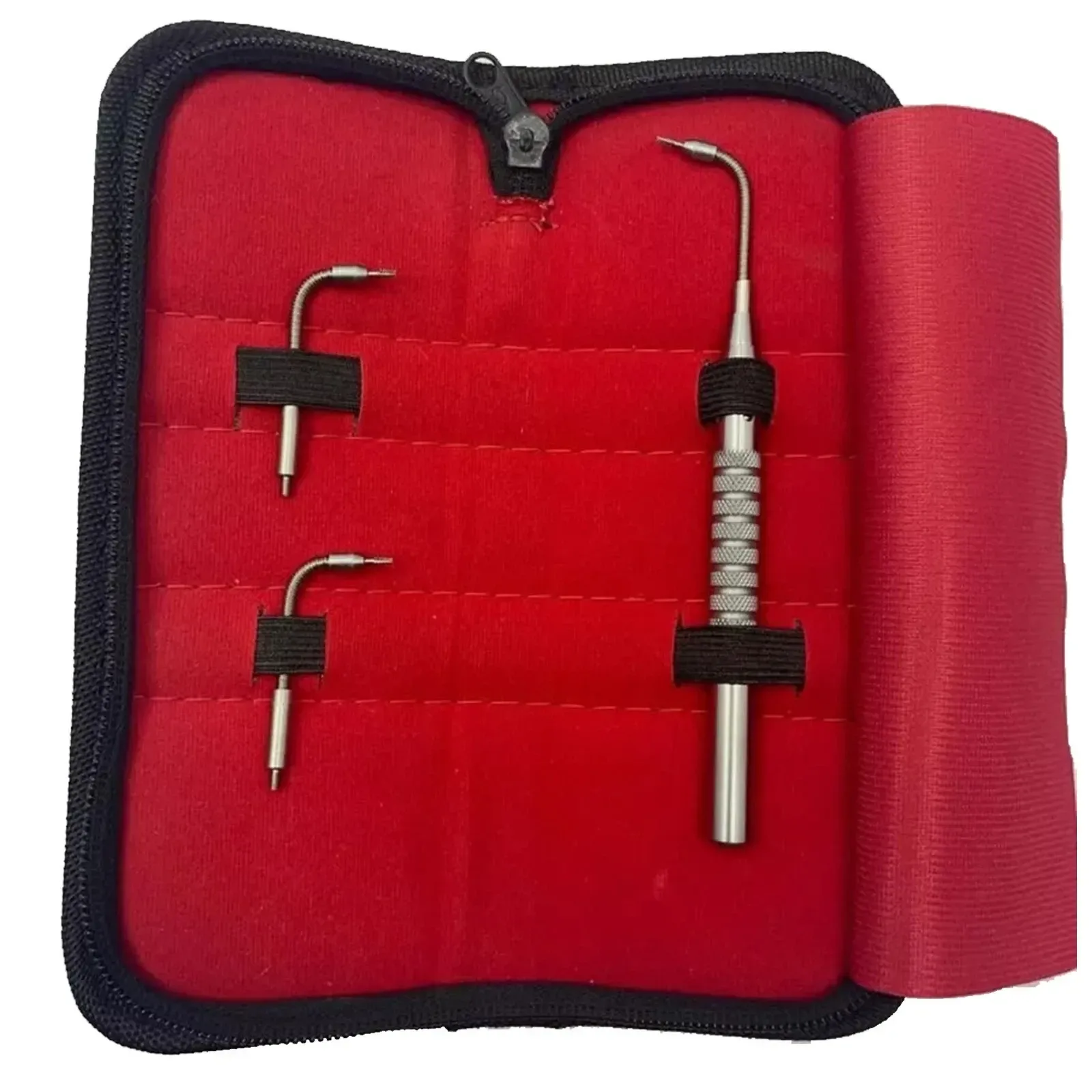
Implant prosthetic instruments sit under Dental Implant Instruments, in the Implant Prosthetic Instruments collection, which lists the collet-style abutment preparation holder. Anything that engages an implant component has its own tip profile and system connection, so request it separately and state the implant system and component reference with it rather than adding it to a tray, remover, articulator or spatula order.

Prepare a Mixed Prosthodontic Instrument Quote

Send each product with its order unit: the tray set, single trays or a mixed tray list with the quantity of each arch, coverage and size; the crown remover mechanism and attachment references; the articulator type, any plates you already use and the quantity; the caliper quantity; and the spatula figures or the 10-piece set. Add packaging, branding and destination. For a matched set or a kit, attach the bill of materials so every line is quoted as written.

Keep loose instruments, sets and replacement accessories on separate lines. For crown removers, include every hook, pad or attachment by reference. Samples of 1–3 pieces per pattern are available for the trays, caliper and spatulas.

Available material, finish, manufacturing, packaging, certification and export evidence can be supplied with the commercial discussion. Care is specific to each product: an articulator's hinge and adjustment screws are kept clear of plaster, and a cement spatula is cleaned before the cement sets. Processing instructions come with each product and your facility's validated protocol applies. If chairside and laboratory items are ordered together, give the destination or department for each so the packing list can be grouped accordingly in one coordinated manufacturer-direct quotation.

Prosthodontic Dental Instruments FAQ

How do I narrow the prosthodontic range by task?

Choose the product group: impression trays, the ridge mapping caliper, crown removers, articulators or cement spatulas. Then compare that group's own fields: arch, coverage and size for trays; scale range for the caliper; mechanism and attachment reference for removers; type and mounting plates for articulators; blade figure for spatulas. These products share a prosthodontic context but not one specification, so keep each family on a separate procurement line.

Which details distinguish impression-tray choices?

Record upper or lower arch, dentate or edentulous form, full or partial coverage, size and retention design. The listed set has three upper full-arch trays with palatal coverage, three lower full-arch trays with an open center, two anterior trays and two sectional trays, all perforated. Compare the actual tray dimensions and profile rather than a size number alone, and for an assortment list each form and quantity so the upper/lower and size mix remains clear in the order.

How do crown removers differ from crown-holding forceps?

A crown remover uses a defined mechanism, a sliding weight, a spring impact or a spreader, with a working attachment to disengage a crown or bridge. Holding forceps only carry a restoration and have no mechanism or attachment. Holding forceps are not among the products listed on this page, so choose from the listed removers by mechanism and attachment reference; a shared crown label does not make two instruments equivalent.

How do I order a replacement attachment for a crown remover?

Give the full reference of the parent remover, the attachment reference and how the two fit together, because tip numbers can repeat across different systems. A tip number on its own is not enough. Complete removers, detachable tips and accessories are counted separately, so three tips are three attachments, not three removers.

How should the ridge mapping caliper be compared beyond its overall size?

Use the scale range (0–35 mm on the listed caliper), the graduation, the contact-tip form (curved, opposing, pointed) and the hinge style as separate fields. Overall length describes the body, while range describes the measurements it can read. If the procurement requires a tolerance or calibration record, identify that requirement separately; readable graduations do not themselves establish measurement accuracy.

Does the caliper's 0–35 mm reading tell me which impression-tray size to order?

No. The caliper reads the width or thickness of the ridge in millimeters. The tray set labels its full-arch trays by size within the set, which is the tray's own designation rather than a measurement taken from a patient, so one does not convert into the other. Choose the tray by arch, coverage and size as listed, and use the caliper for the measurement it is built for.

What should I check when ordering an articulator?

Start with the type, simple hinge, mean-value, semi-adjustable or magnetic mounting, which sets how much jaw movement the articulator reproduces. Then check the mounting plates: plates may not fit between different models, so if you already hold plates, send their dimensions and we confirm the fit. The model, its settings and the plates supplied are confirmed in your quotation, and each articulator is ordered singly by product code.

Why is a cement spatula a different purchase from a restorative spatula?

A cement spatula mixes cement, liner or base on a pad or glass slab, so its flat, stiff blade is built to press and fold thick material, and it is chosen by figure from 00 to 4. A restorative or composite placement instrument carries, packs and shapes material in the cavity and is chosen by its working-end shapes, such as flat blades, paddles and rounded ends. The tasks and the tools differ, so put each on its own order line.

Where do implant prosthetic instruments belong in a mixed order?

On their own line, from the Implant Prosthetic Instruments collection, which lists the collet-style abutment preparation holder. Anything that engages an implant component has its own tip profile and system connection, so keep the implant system and component reference with the request and check the fit separately, while the rest of the prosthodontic order keeps its own specifications.

Need Prosthodontic Instruments in Bulk?

Send your instrument list and quantities for manufacturer-direct pricing, custom branding, or mixed-category quotes.

WhatsApp