
Dental Scissors
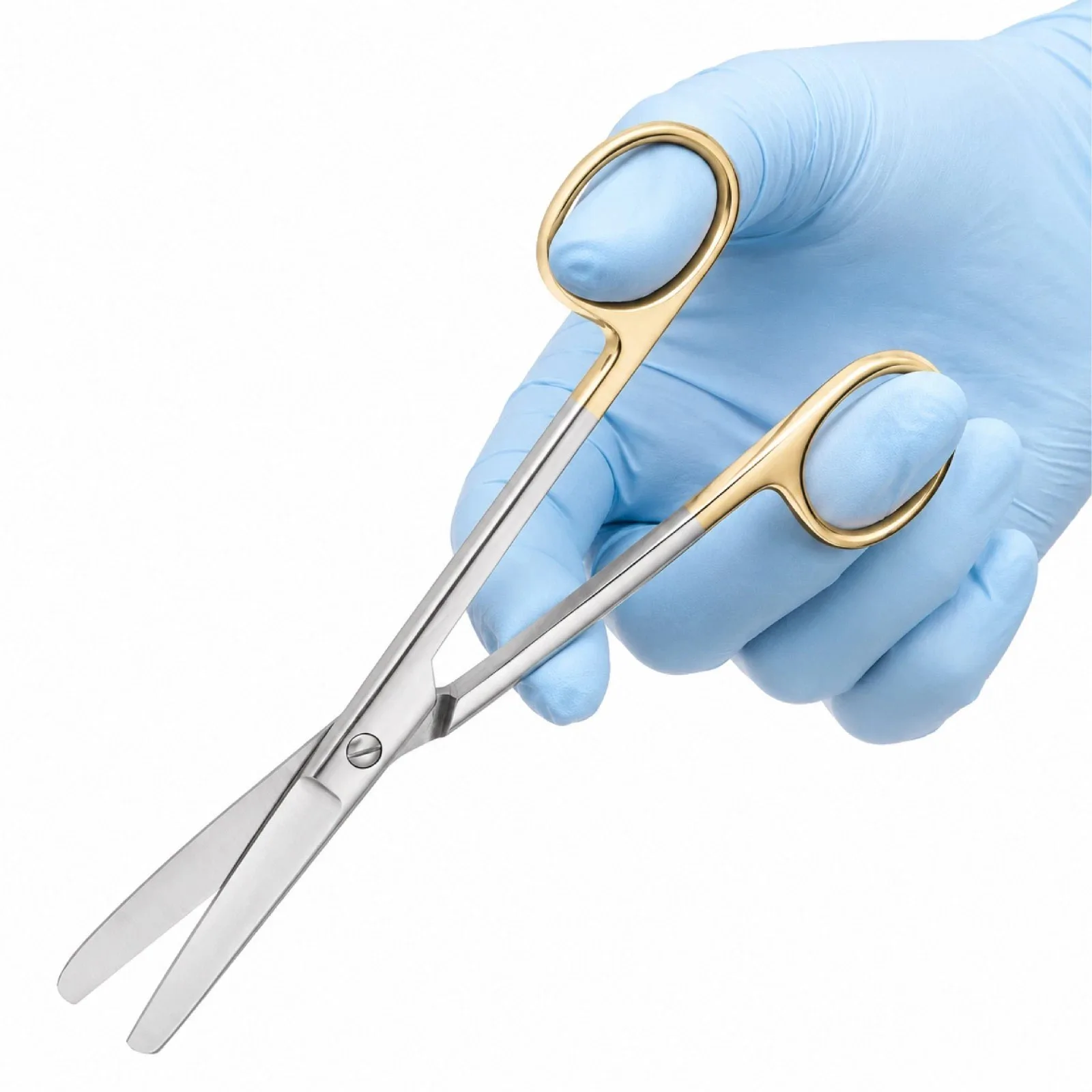
Curved Operating Scissors
Curved operating scissors, 14.5 cm overall, with tungsten carbide (TC) cutting inserts on a polished AISI 420 stainless-steel body. Supplied as one reusable instrument.
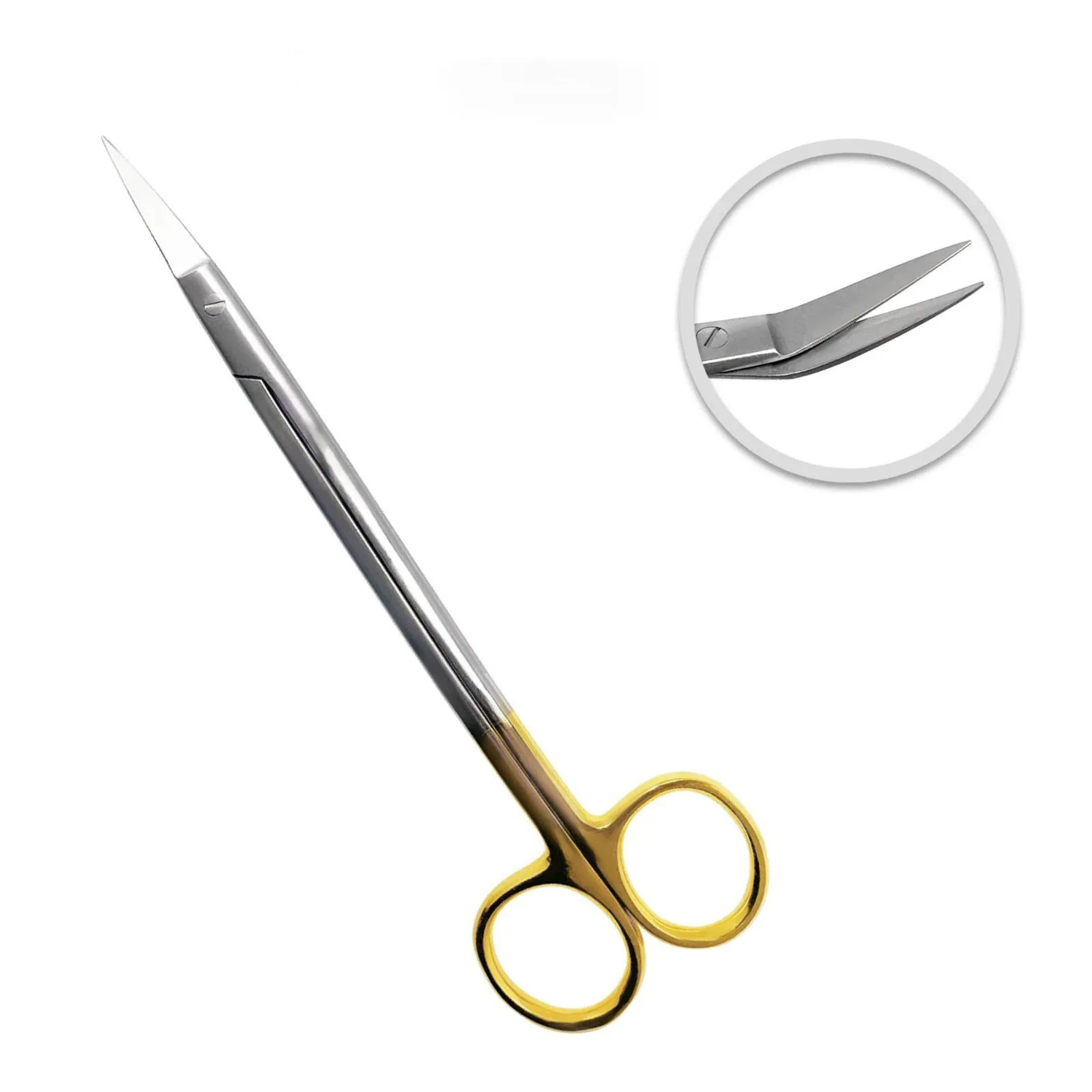
Dean Gum Scissors
One 6.75-inch Dean gum scissors with tungsten carbide (TC) cutting components and a passivated AISI 420 stainless-steel body. Reusable, autoclavable and sold as a single instrument.
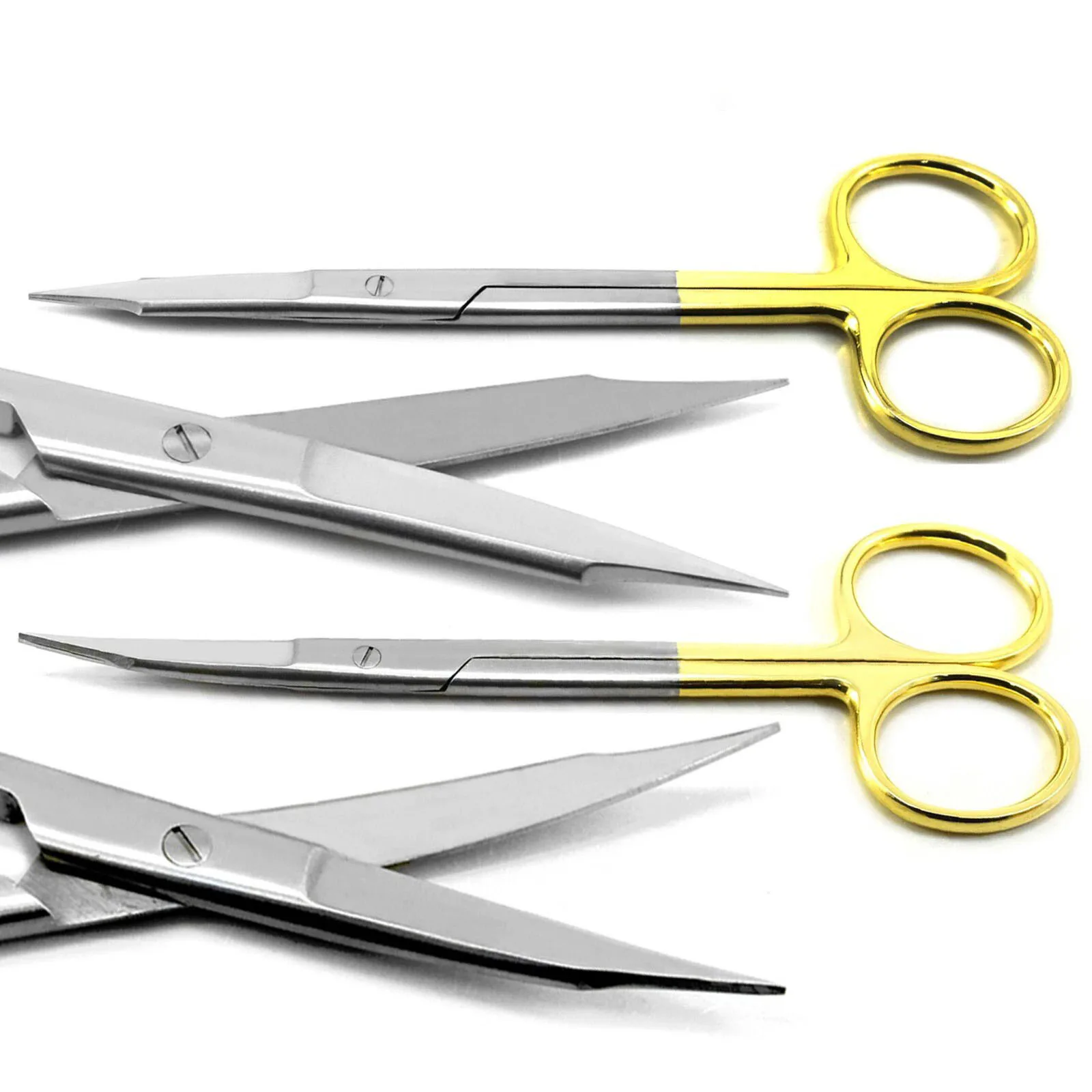
Goldman-Fox TC Scissors
Two Goldman-Fox scissors with tungsten carbide cutting edges, one straight and one curved, each 13 cm overall, with a polished AISI 420 stainless-steel body.
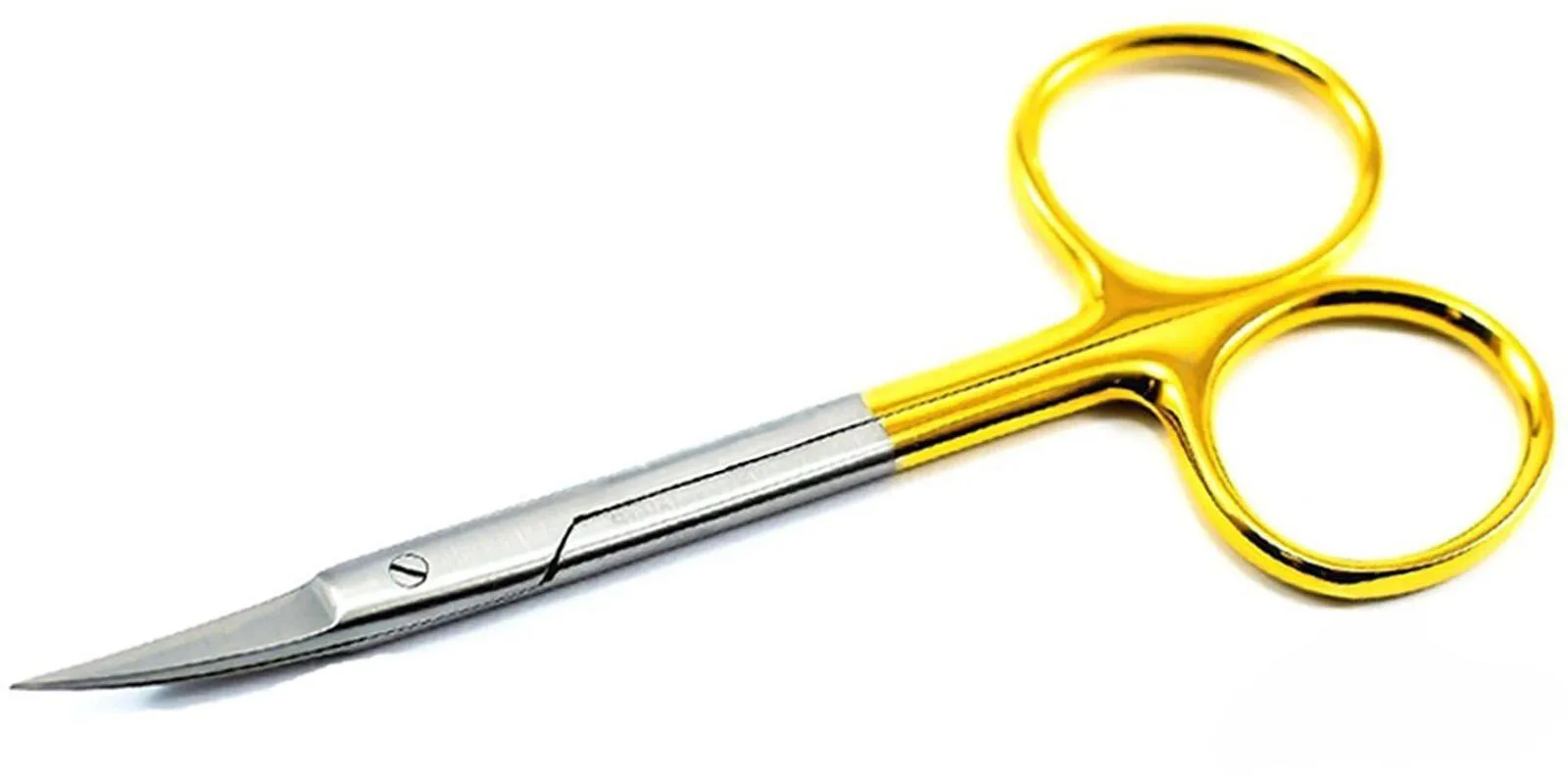
Iris Scissors 4.5"
Curved Iris scissors with fine pointed tips and ring handles, 4.5 inches in nominal overall length, with a TC (tungsten carbide) designation.
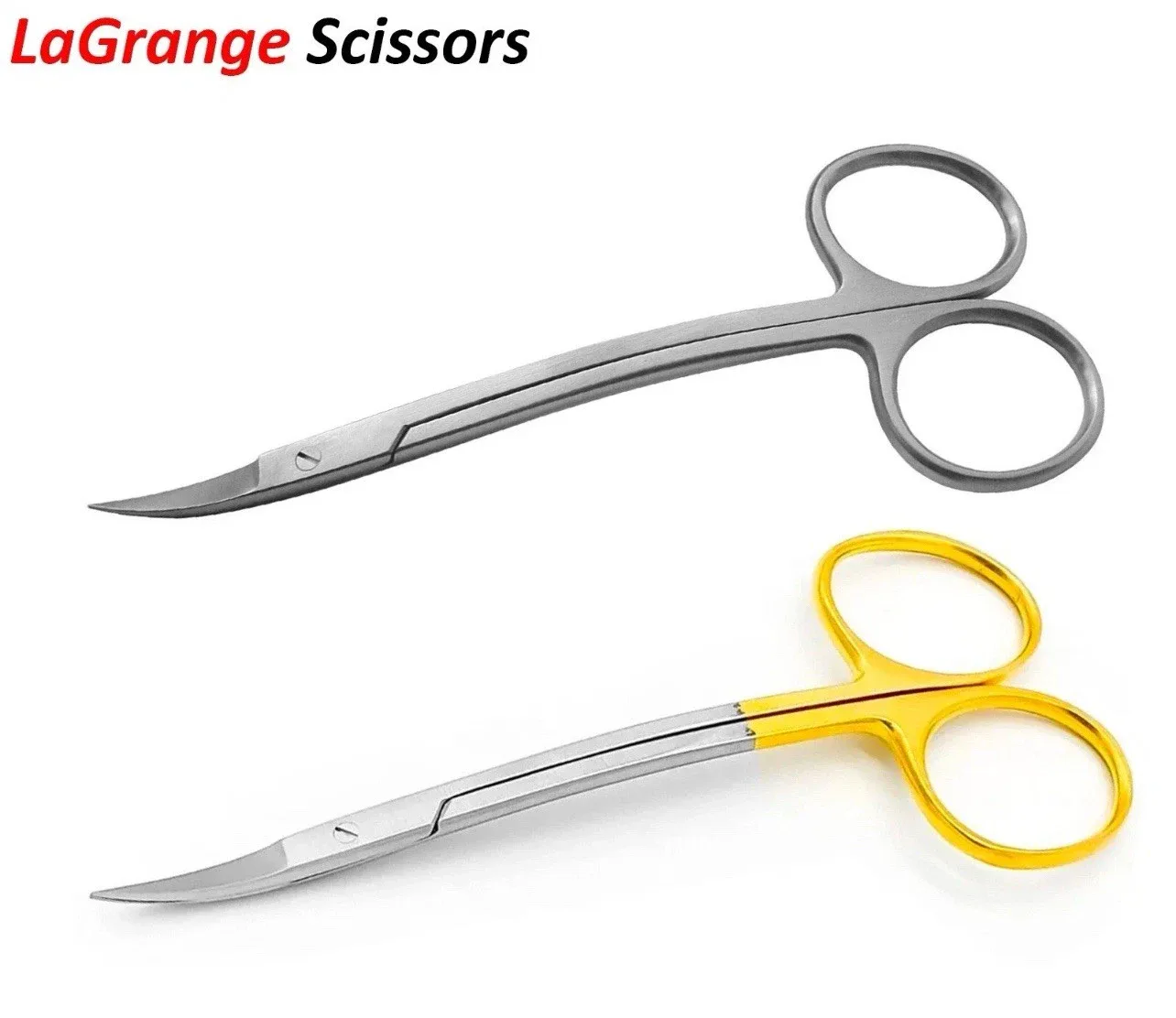
La-Grange Double Curved Scissors Precision Dental Tissue & Gum Trimming Surgical
One 14 cm La-Grange double-curved tissue and gum scissors with tungsten carbide (TC) cutting components and an AISI 420 stainless-steel body. Reusable and autoclavable.
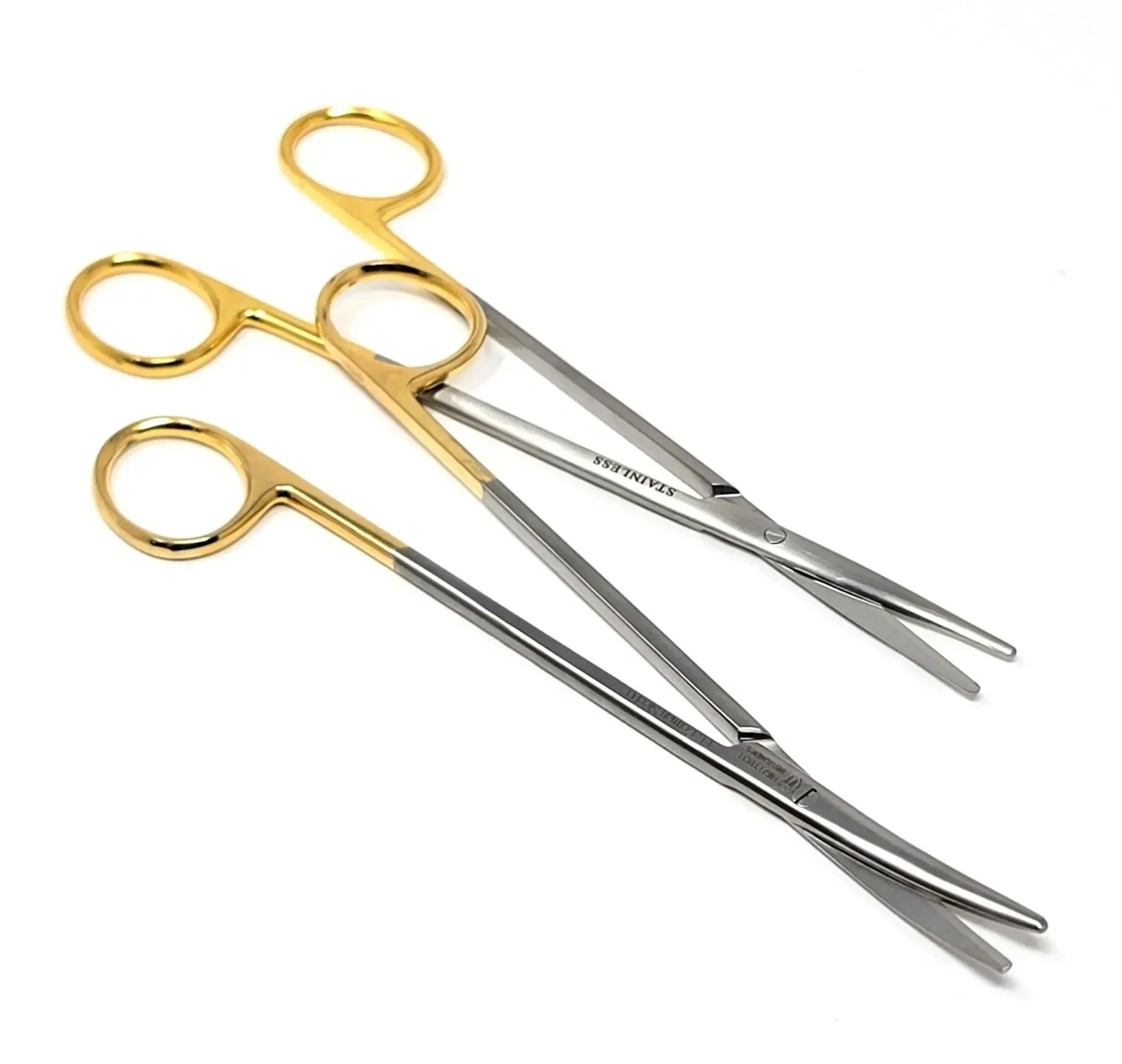
Metzenbaum Scissors — Straight and Curved
Metzenbaum scissors with long handles, comparatively short blades and rounded tips, for dissecting and cutting soft tissue. Available straight or curved, from 15 to 20 cm.
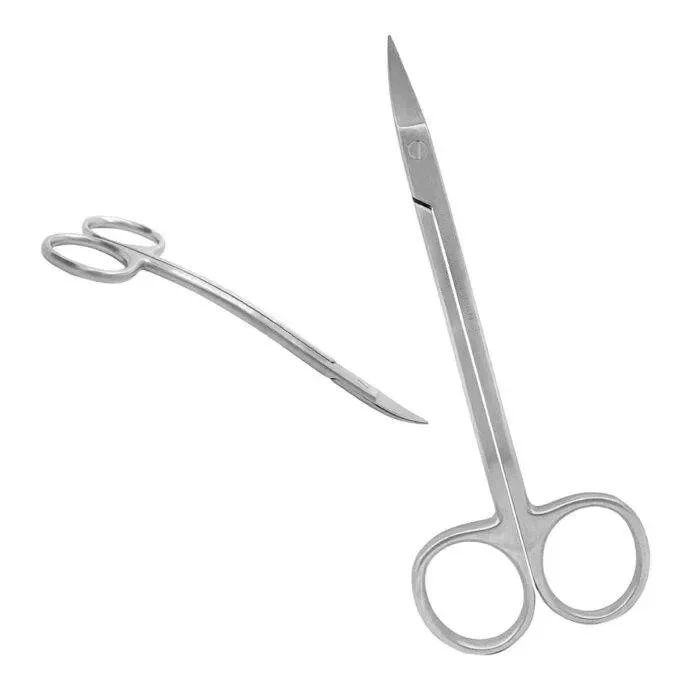
Neumann Scissors 120mm Double Curved
Neumann scissors in the 120 mm double-curved configuration, made from reusable AISI 420 stainless steel and supplied as one instrument.
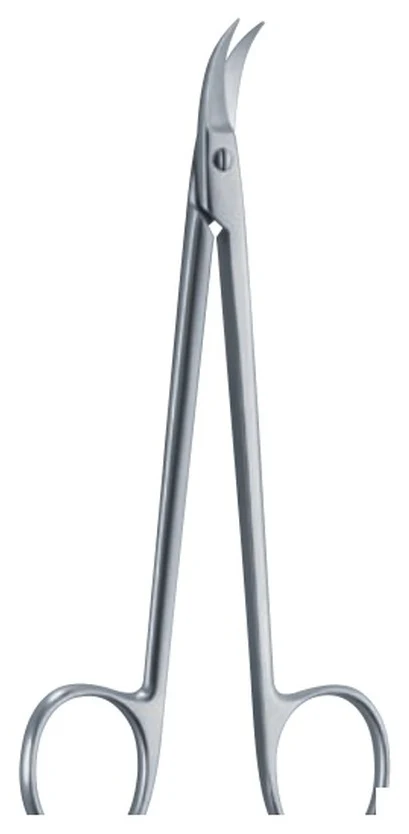
Quinby Scissors
Curved Quinby scissors, 12.5 cm overall, supplied as one instrument in polished AISI 420 stainless steel. Reusable and autoclavable.
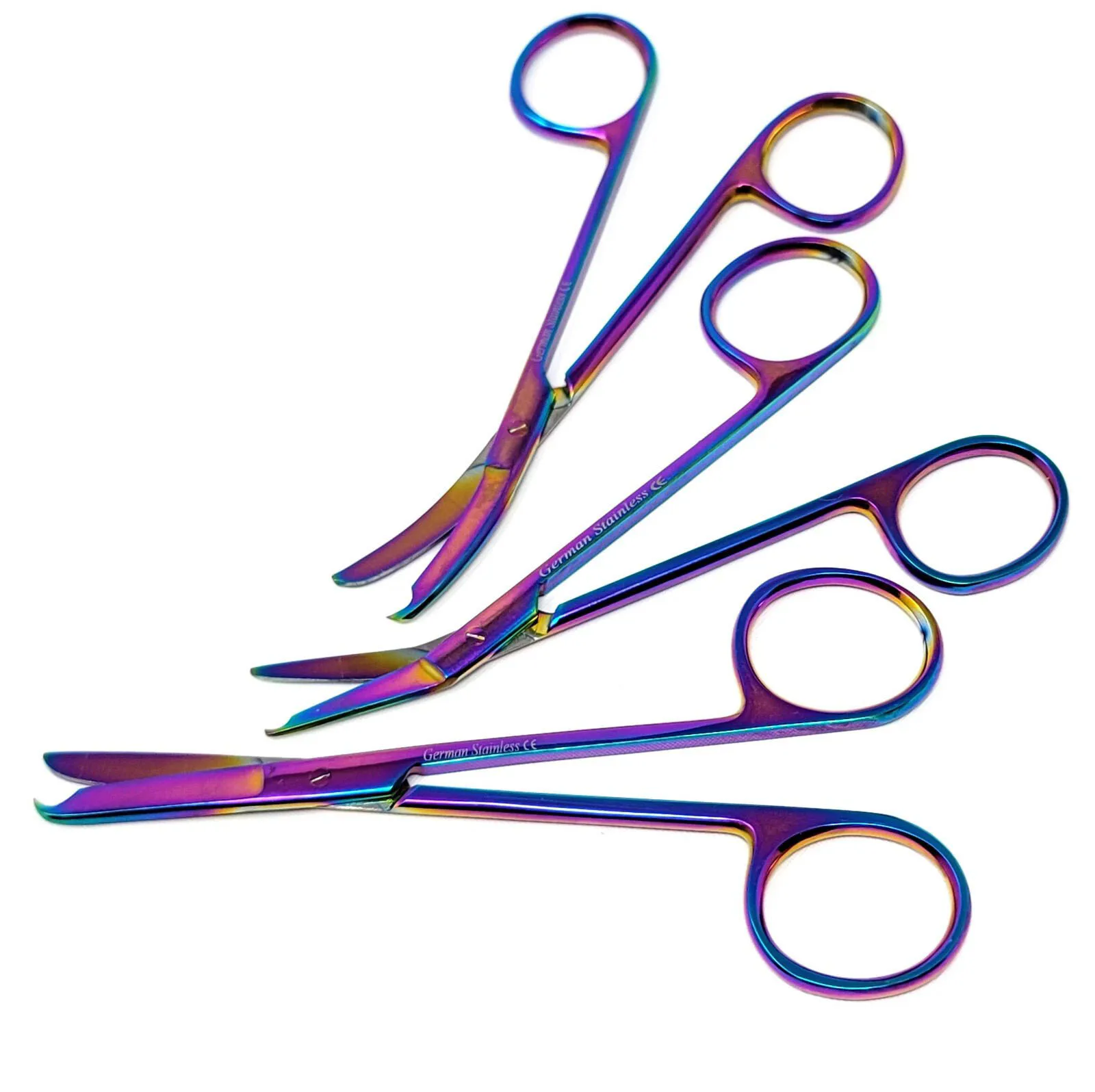
Suture Scissors
Suture removal scissors with a hooked notch in one blade, made from reusable AISI 420 stainless steel and supplied as a single instrument. Specify blade shape, length and finish when you request a quote.
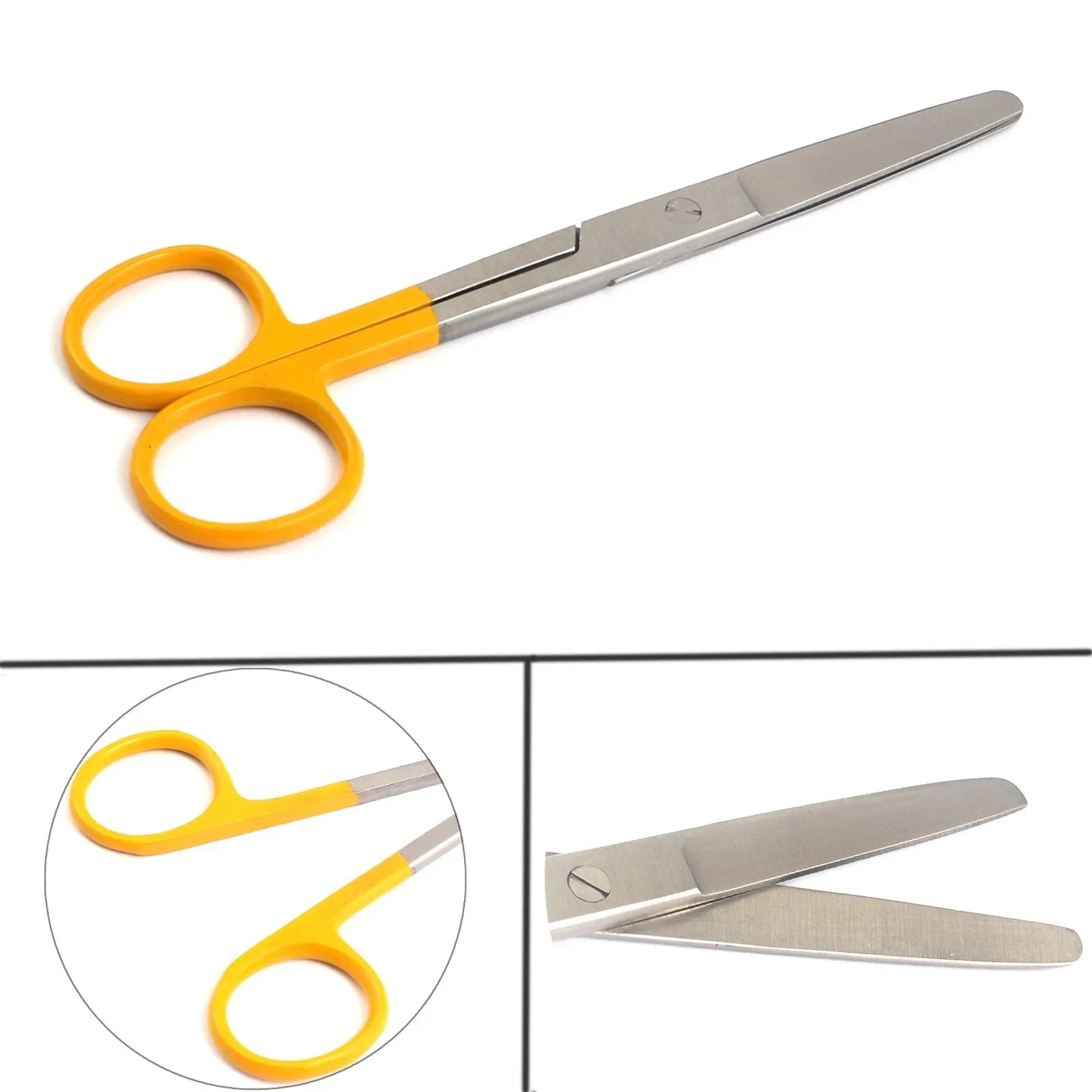
Tissue Scissors
Straight tissue scissors with blunt tips on both blades, 5.5 inches overall. AISI 420 stainless steel, passivated and autoclavable, supplied as one instrument.
Dental Scissors Buying Specifications
| Specification | Details |
|---|---|
| Current scope | Iris scissors and Goldman-Fox, Dean, Quinby, and Neumann gum-scissor configurations |
| Blade | Straight or curved, point combination, blade length, serration, and cutting-edge condition |
| Construction | Joint or screw, handle rings, overall length, material, finish, and insert where verified |
| Selection | Pattern, blade and point form, curvature, dimensions, and handle preference |
| Order details | Exact variation, quantity, marking, packaging, evidence needs, and destination |
Dental Scissors FAQ
How should Iris and gum-scissor patterns be compared?
Start with the named family, then compare straight or curved form, blade and point geometry, serration and overall dimensions. Fine Iris patterns and named gum-scissor patterns can differ substantially at the blades even with similar ring handles. Use the requested pattern and its actual configuration to define the order.
Is overall scissors length enough to match a replacement?
No. Include blade length, curvature, point combination and any serration with the overall length. A face view shows the points and cutting edges and a side view shows curvature and profile, so keep those features with the previous reference when you compare two instruments of similar total length.
Why should blade serration and insert material be recorded separately?
Serration describes an edge feature; an insert identifies a particular cutting-edge construction. They are separate specifications and can vary between scissors. Record each only for the selected configuration and support a material claim with its documentation. A handle color or familiar pattern name does not establish either feature.
Are scissors and hemostatic forceps interchangeable items on a surgical list?
No. Scissors have cutting blades, while hemostatic forceps have grasping jaws and their own closure and pattern requirements. Ring handles can make the instruments look related, but they are different order items, so write the full instrument name and configuration for each.
What should be checked when adding scissors to an instrument cassette?
Use the selected scissors' overall dimensions, handle-ring footprint and blade orientation in the layout. Confirm the position and retention against the actual cassette arrangement, and keep the scissors' replacement reference with that position. A kit count or generic scissors line does not establish that its particular configuration fits the proposed layout.
Need Dental Scissors in Bulk?
Send your instrument list and quantities for manufacturer-direct pricing, custom branding, or mixed-category quotes.