Orthodontic Instruments

Clear Aligner Pliers Set (5 Pcs)

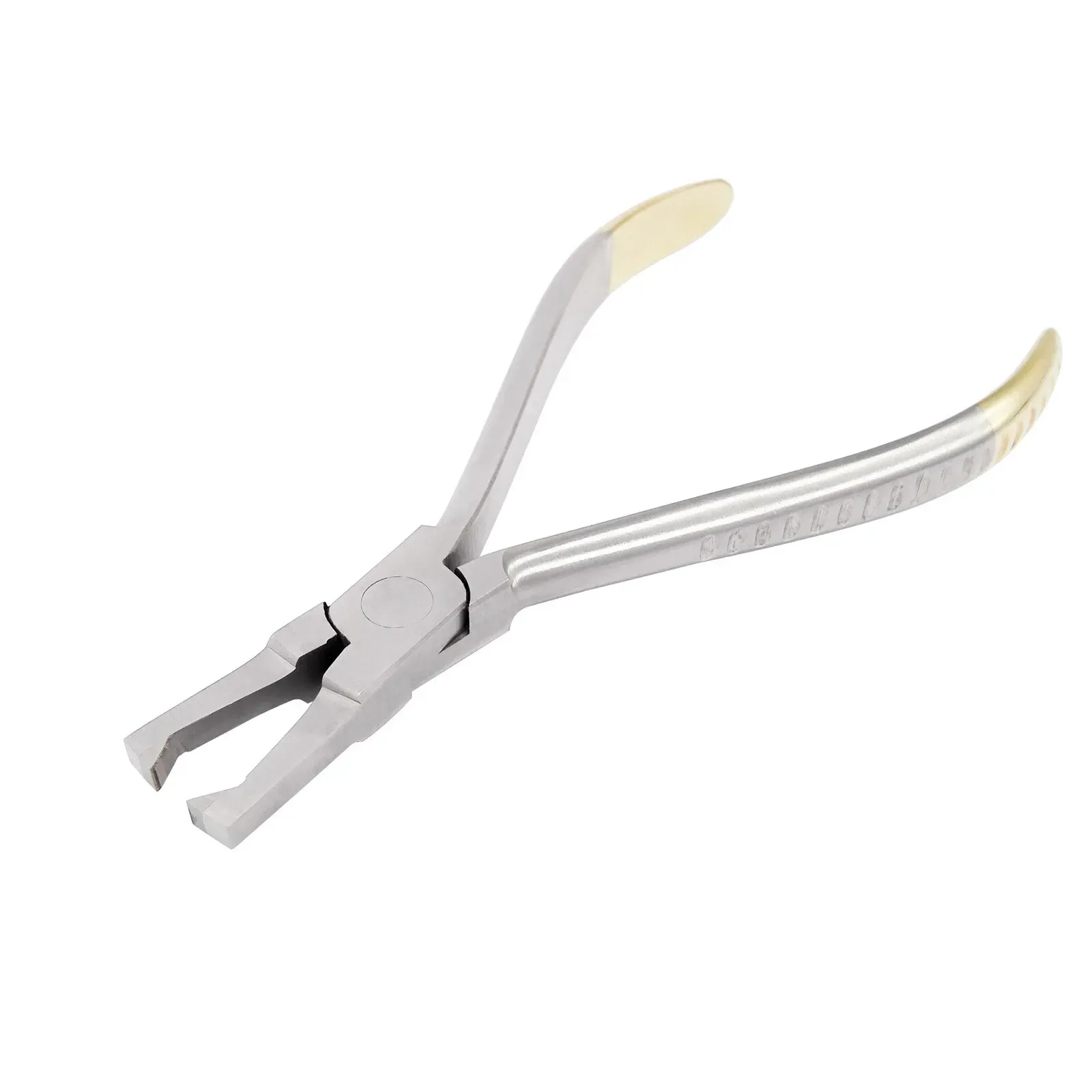
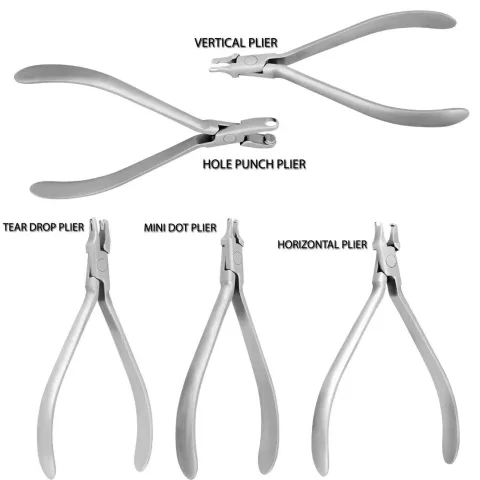
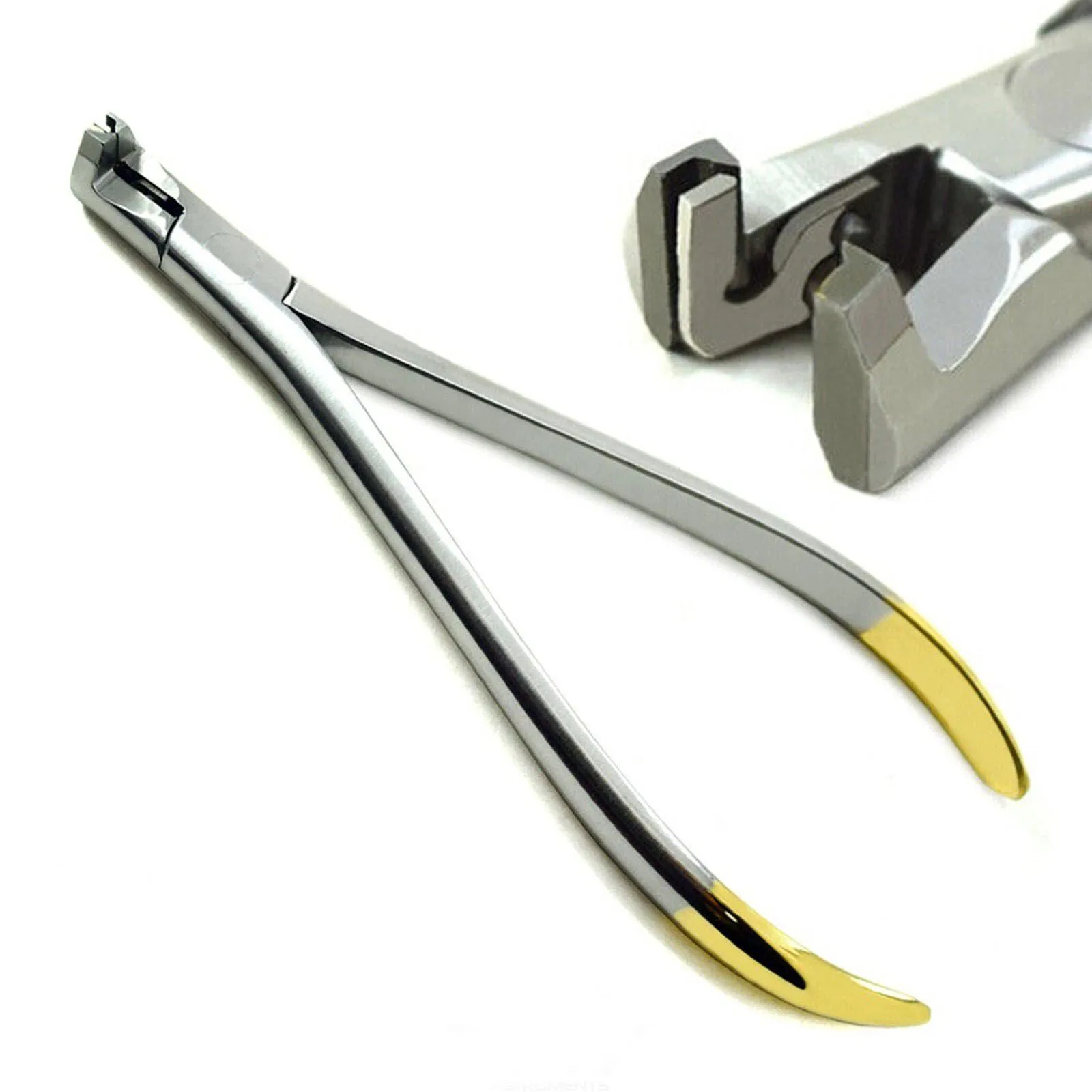
Five hand pliers for adjusting thermoplastic aligners: teardrop and hole-punch pliers cut openings, and horizontal, vertical and mini-dot pliers form indentations. Supplied with a stand; single patterns can also be requested.

Product code
DIS-ORTHO-ALIGN-5PC
MOQ
confirmed with your quote

Courier delivery. We ship through DHL, FedEx or another available courier, depending on your destination. We confirm the courier, shipping cost and estimated delivery time with your order. Shipping details

About Clear Aligner Pliers Set (5 Pcs)

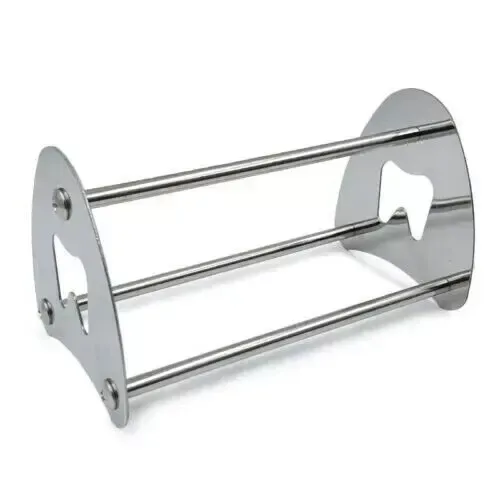
The Clear Aligner Pliers Set is five hand pliers for adjusting thermoplastic aligners at the chair or in the laboratory. Two of the pliers cut openings in the aligner and three form indentations in it. Each is a different working-end pattern, not a different size of the same plier. The set comes with a stand to hold the five pliers.

What each plier does

  • Teardrop: cuts a teardrop-shaped opening at the edge of the aligner, for an elastic connection.
  • Hole-punch: removes a rounded area of aligner material, for example to give clearance around a bonded attachment or button.
  • Horizontal: forms an elongated horizontal indentation in the aligner.
  • Vertical: forms an elongated vertical indentation, the same kind of feature as the horizontal plier in the other orientation.
  • Mini-dot: forms a small, round, localized indentation, a dimple rather than an elongated ridge.

The teardrop and hole-punch pliers remove material; the horizontal, vertical and mini-dot pliers reshape it without removing any.

Five pliers and a stand

The set contains five pliers, one of each pattern, plus one organizer stand. The stand is not counted as one of the five pieces. If you would prefer a cassette to the stand, ask for it in your quote request; it is supplied instead of the stand, not as well as it.

Ordering a set or a single pattern

For the complete set, use SKU DIS-ORTHO-ALIGN-5PC and tell us the number of sets and the delivery destination. If you need a single plier, name the pattern (teardrop, hole-punch, horizontal, vertical or mini-dot) and the quantity.

For other orthodontic instruments, browse our orthodontic instruments. A separate orthodontic plier stand is also available on its own.
Have experience with Clear Aligner Pliers Set (5 Pcs)?Share verified buyer or evaluator feedback. It takes about a minute.

Clear Aligner Pliers Set (5 Pcs) Questions

Which working-end patterns are shown for this clear aligner set?

The product views show five patterns: teardrop, hole-punch, horizontal, vertical and mini-dot. The teardrop and hole-punch heads cut openings, and the horizontal, vertical and mini-dot heads form indentations. Those working-end roles are what distinguish the five patterns.

How does the teardrop plier differ from the hole-punch plier?

The teardrop pliers cut an opening at an aligner edge, associated with an elastic connection, while the hole punch makes a round clearance opening associated with a button. Both remove material, but the opening shape and the intended connection differ, and neither makes the indentation that a forming plier makes.

Which tools in the set cut material, and which form indentations?

The teardrop and hole-punch patterns cut openings; the horizontal, vertical and mini-dot patterns form indentations in the aligner material. That is the central split in the set: a clearance cut removes material, while a formed indentation changes its shape.

What is the difference between the horizontal and vertical forming pliers?

Both make elongated indentations, in different orientations; the names identify the orientation of the formed feature. That helps you choose the forming geometry you want, but it does not determine a tooth-movement prescription, an activation amount or the force produced in a particular aligner.

How is a mini-dot indentation different from an elongated ridge?

The mini-dot pattern forms a small, localized dimple, while the horizontal and vertical patterns form elongated indentations. The difference is the shape of the formed feature, a point-like contact versus a ridge. The tool shape alone does not specify clinical placement, movement or force.

WhatsApp