Orthodontic Instruments

Orthodontic Bracket Remover Pliers

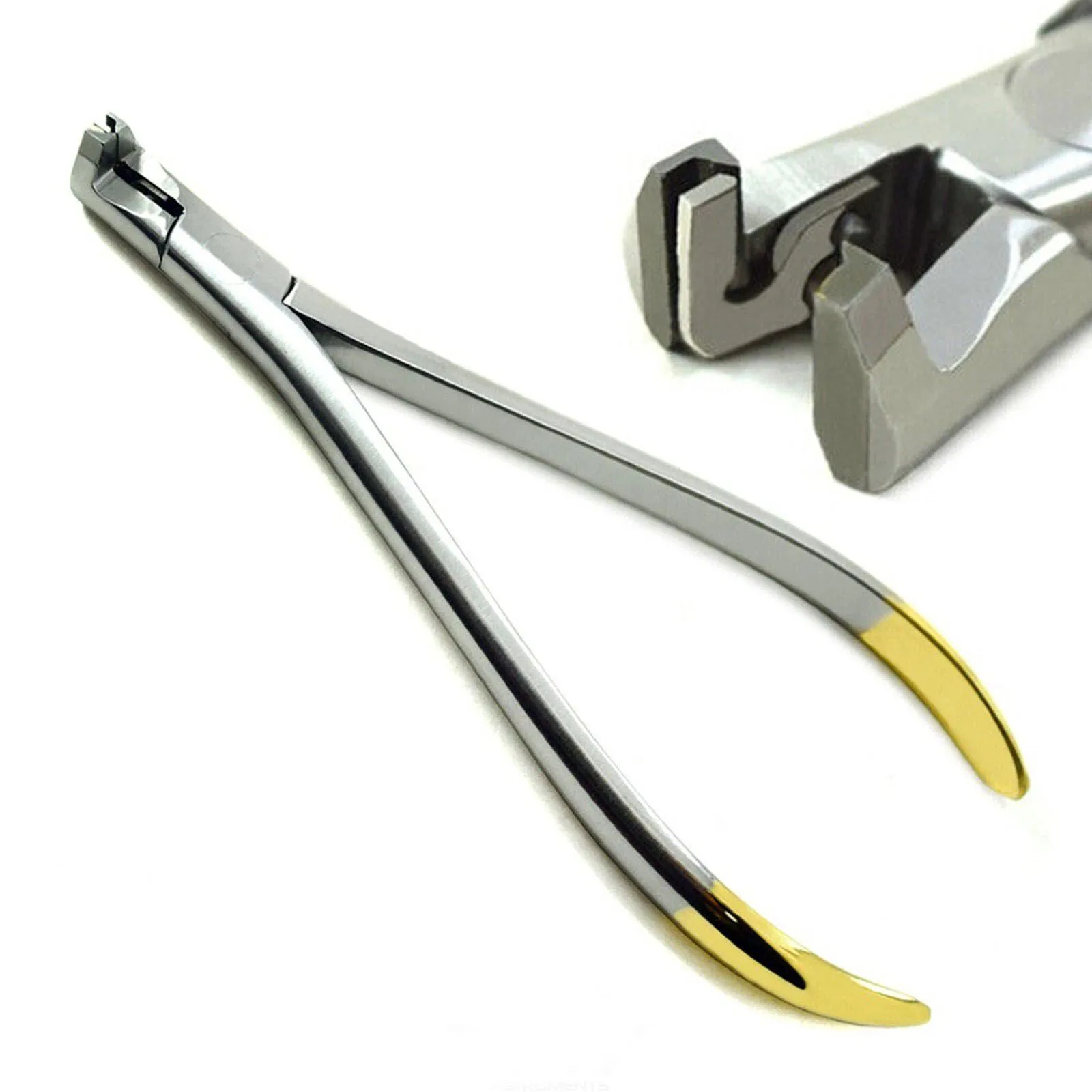
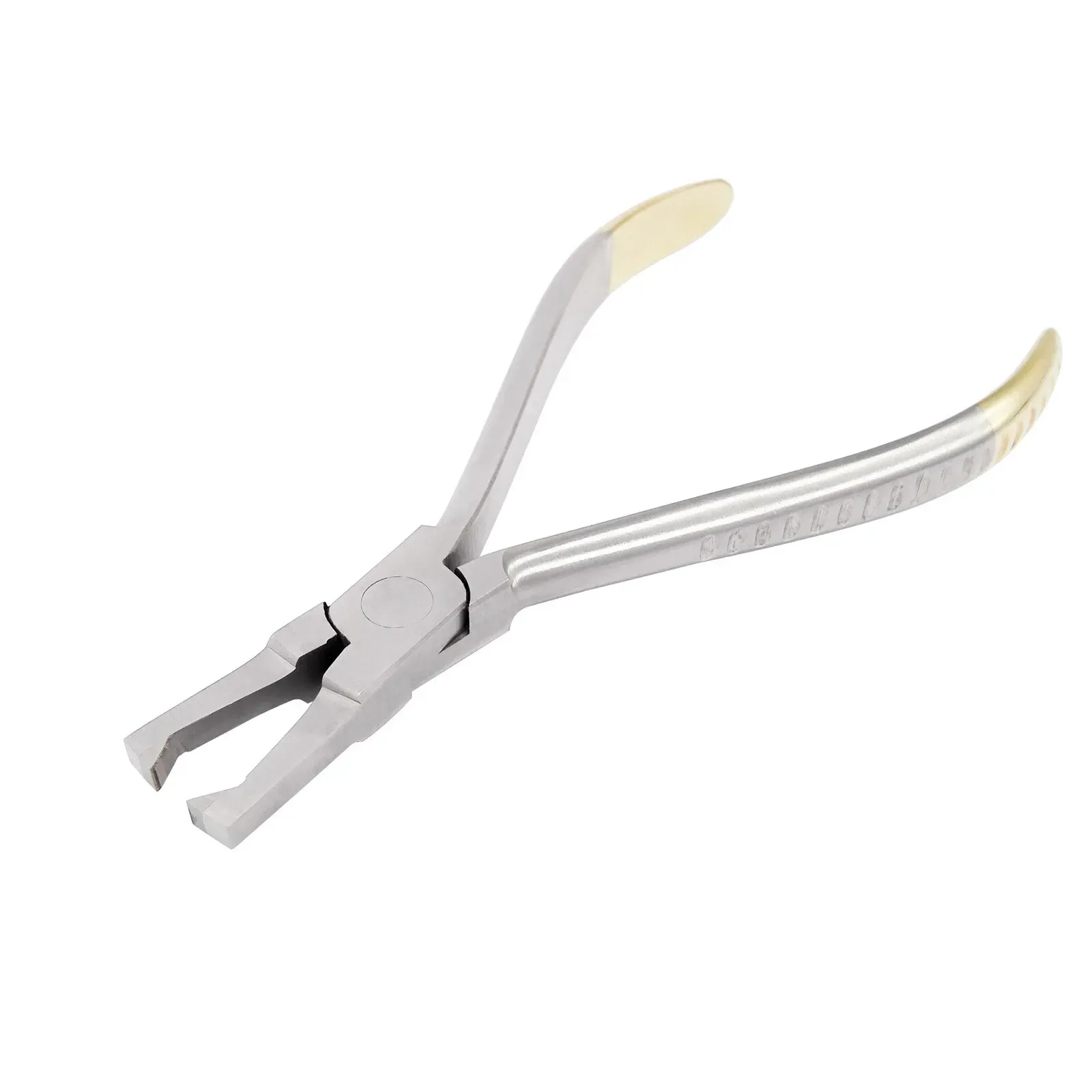
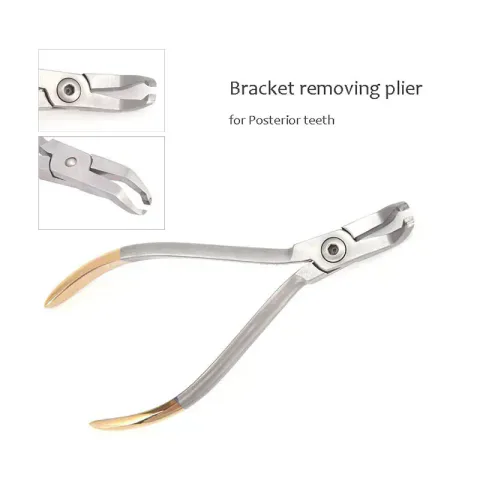
Orthodontic bracket remover pliers for removing bonded brackets. A 13 cm posterior pattern with angled jaws and a TC (tungsten carbide) designation.

Size
13 cm
MOQ
confirmed with your quote

Courier delivery. We ship through DHL, FedEx or another available courier, depending on your destination. We confirm the courier, shipping cost and estimated delivery time with your order. Shipping details

About Orthodontic Bracket Remover Pliers

Bracket remover pliers, also called debonding pliers, are orthodontic instruments for removing bonded brackets when treatment ends. The pattern we supply is a posterior bracket remover with angled jaws, 13 cm (130 mm) long, with a TC (tungsten carbide) designation.

What this configuration tells you

Each part of the description identifies a different attribute:

  • 13 cm: the overall length of the instrument.
  • Posterior: the pattern is designated for posterior use.
  • Angled jaws: the jaws are set at an angle to the handles.
  • TC: the instrument carries a tungsten carbide designation.

None of these, on its own or together, describes how the jaws engage a bracket or which bracket systems the plier suits.

Bracket remover, band remover or wire cutter?

These are three different instrument jobs, and the names are not interchangeable:

  • Bracket remover: removes bonded brackets. This is the instrument offered here.
  • Band remover: a separate instrument designed for removing orthodontic bands.
  • Distal end cutter: cuts and shortens the ends of archwire. See our distal end cutter.

Comparing bracket-removal designs

"Debonding pliers" covers more than one design. Bracket removers differ in jaw form and in what they are intended to do; some models, for example, are also documented for removing adhesive residue, and that use has to be specified rather than assumed for every bracket remover. Jaw form, intended removal task and the bracket systems covered by a design's documentation should be compared together. Two pliers that share a 13 cm length and a TC designation are not necessarily interchangeable.

Requesting a quote

Request a quote for the 13 cm TC posterior bracket remover and tell us the quantity you need. If your practice works with a particular bracket system, include it, along with the reference of any plier you are replacing.

For more orthodontic instruments, browse our orthodontic instruments.
Bracket placement and removal tools

Have experience with Orthodontic Bracket Remover Pliers?Share verified buyer or evaluator feedback. It takes about a minute.

Orthodontic Bracket Remover Pliers Questions

Which bracket-remover pattern is this?

This is a 13 cm bracket remover with the TC (tungsten carbide) designation and an angled form. The pattern name and the working-head geometry identify the instrument for comparison, so keep the angled form separate from straight bracket-remover references when you prepare a matched instrument specification.

Is 13 cm the length of the pliers or their working jaws?

13 cm is the overall instrument length, equivalent to 130 mm. Working-jaw dimensions and the head's angle are separate fields. Use the overall length for complete-instrument comparison, then match the required working-head profile independently.

What does the TC designation mean when comparing bracket-remover pliers?

TC is the conventional abbreviation for tungsten carbide. It is one construction designation to record alongside the bracket-remover pattern and length. The location and specification of any carbide components belong to the particular model's documentation, so the abbreviation alone does not define the whole instrument's construction.

How does a bracket remover differ from a band remover or wire cutter?

A bracket remover belongs to the bracket-debonding instrument category, while band removers and orthodontic wire cutters have different working-head layouts and tasks. Match the instrument category to your purchasing requirement before you compare length or handle appearance; similar plier handles can carry very different working ends.

What should I compare when selecting a remover for a particular bracket system?

Compare the straight or angled pattern you need, the working-head contact geometry, the overall length and the bracket system's documented instrument requirement. Manufacturers publish separate remover references for some systems, including dedicated ceramic-bracket models, so use the identified model's compatibility information for a system-specific match.

WhatsApp