What We Sharpen and Fix

  • Cutting edges that have gone dull.
  • Tips that no longer meet when the instrument is closed.
  • Joints that have become loose or stiff.
  • Tips that have been bent in use.

If an instrument cannot be put right, we replace it with a new one free of charge.

Who the Service Covers

  • Instruments bought from us.
  • For six months from the day you receive your order.
  • Clients in every country we supply.

Within those six months, sharpening, repair and any replacement are free. You pay the shipping to us, and we pay to send the instruments back. After six months the guarantee ends and we no longer sharpen or repair those instruments, but we can quote new ones of the same pattern.

What to Send First

  • The instrument name and pattern or figure number.
  • Your order or invoice number, so we can confirm the delivery date.
  • Clear photos of the working end, and of the joint on hinged instruments.
  • What has changed in use, for example an edge that no longer cuts cleanly or a joint that has gone stiff.
  • How many instruments are affected.

Use the quote form for the details and we will arrange how to receive the photos. From them we confirm what we will do before you send anything. Our inspection and sharpening guide explains the general signs of wear to look for.

How the Service Works

  1. Send the details and photos.
  2. We confirm the work and tell you how to clean, pack and send the instruments.
  3. You ship the instruments to us at your cost.
  4. We sharpen, fix or replace them and ship them back to you at our cost.

Please wait for our confirmation before sending instruments. Clean and reprocess returned instruments under your own facility's protocol before using them again.

Ordering More of the Same Pattern

  1. Tell us the pattern or figure, the size or option if there is a choice, and the quantity.
  2. Add your order number or reference photos so we match the same pattern.
  3. We confirm the pattern from our catalog and quote it.
  4. If you want to check before ordering, request evaluation samples at 1 to 3 pieces per pattern.

Use this route for instruments past the six-month guarantee, or when you need more of a pattern you already use.

If an Edge Stays Dull or a Handle Cracks

An edge that stays dull after permitted maintenance, or a cracked handle, needs a closer look than routine wear. A short, focused request helps us confirm the next step quickly.

  1. Take the instrument out of clinical circulation. Set it aside until a qualified person in your facility has assessed it. We cannot decide from photographs whether an instrument is fit for use.
  2. Send the details first. Include your order or invoice number, the instrument name and pattern, and clear photos of the affected area. Also tell us how the instrument has been cleaned and processed, and when and how it was last sharpened.
  3. Wait for our confirmation. We check whether the instrument is still within six months of receipt and confirm what we will do. Within that period, sharpening and repair are free, and we replace an instrument free of charge if we cannot fix it. You pay shipping to us and we pay the return shipping. After six months we no longer sharpen or repair the instrument, but we can quote a new one of the same pattern.

Planning for time away

Before you send instruments to us, ask how long they are expected to be away, including workshop time and transit in both directions. This page does not promise a fixed turnaround. If several instruments need service, consider sending them in staggered batches and keeping spare stock of the patterns you depend on. Our review and stock worksheet has blank fields for recording items away and the cover you arranged.

Workshop Time, Transit and Reports Are Different Things

A service timing figure usually describes only one stage. Inbound transit runs from your dispatch until we receive the instrument. Workshop time runs from receipt until the work is complete. Return dispatch and transit come after that. A written finding or investigation report, if you need one, is a separate document and is not the same as completing the work, so ask whether one can be provided and when. When you ask about timing, ask which stages the answer covers, and plan around the full time the instrument is away.

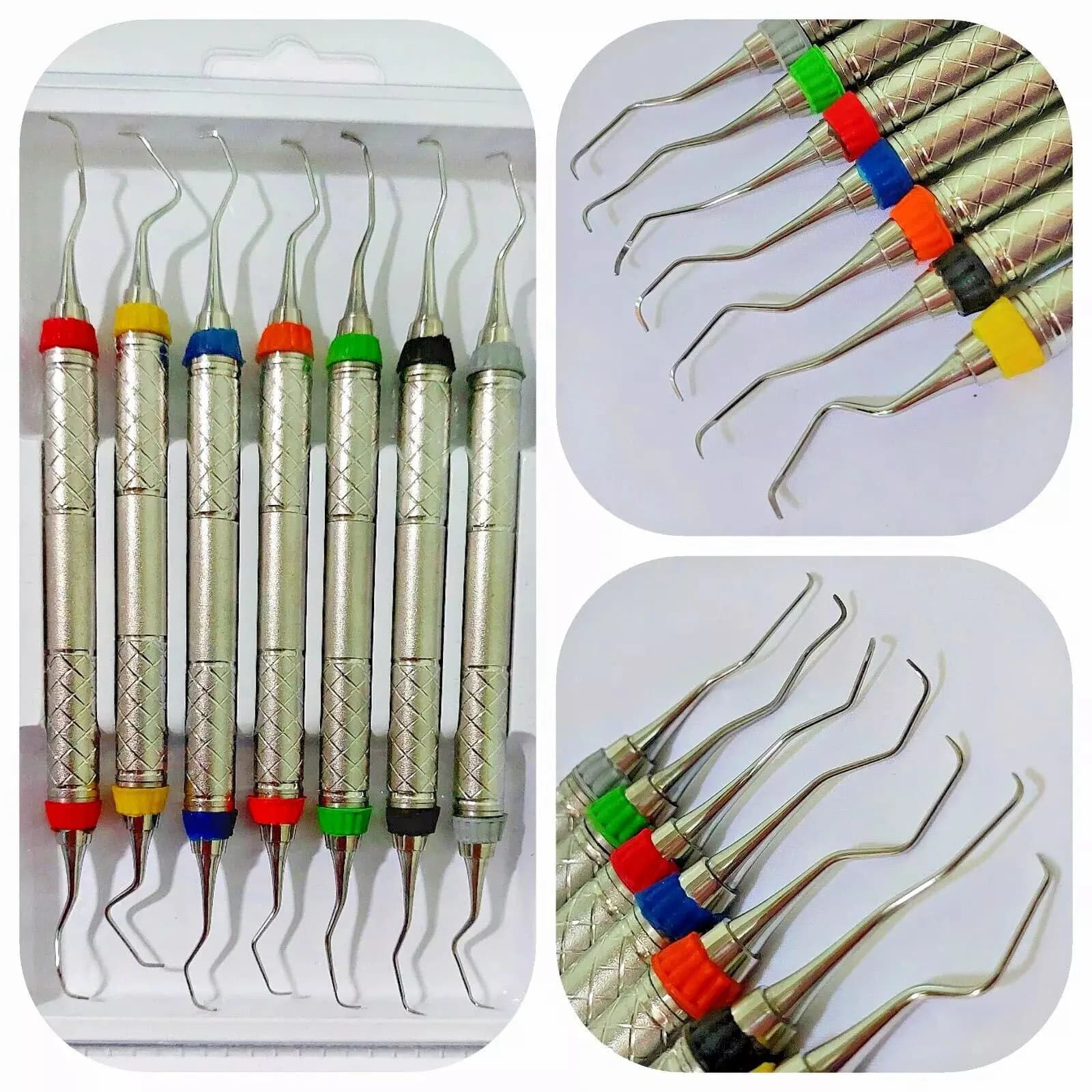
Dental Instrument Sharpening & Repair: Common Questions

What support is available for an instrument that may need sharpening, repair or replacement?

For an instrument you bought from us, our six-month guarantee starts on the day you receive your order. Within it, sharpening and repair are free, and an instrument that cannot be fixed is replaced free of charge. Send your order or invoice number, the instrument details and photos first, and wait for our confirmation before sending anything. For any other instrument, send the model or pattern, the markings and condition photographs to discuss a matching new replacement. Photographs support identification, not a decision that an instrument is fit for clinical reuse.

What details help identify a suitable new replacement?

Send the manufacturer and model or pattern markings, photographs of the whole instrument and its working ends, the relevant dimensions, the quantity and the destination, and add any kit, handle or tip requirements. Compare a proposed replacement by its actual reference and specifications, not by appearance alone. If the pattern you need is nonstandard, a custom-manufacturing inquiry can review it. After six months we no longer sharpen or repair instruments we supplied, and we can quote new instruments of the same pattern instead.

Is there a fixed interval for sending dental instruments in for sharpening?

No single interval applies to every dental instrument. The exact product line, its use and condition and the manufacturer's instructions determine whether sharpening is permitted and when maintenance or replacement should be considered, and sharpen-free designs are an exception. Use the applicable instructions and a qualified assessment instead of a fixed number of patients, a calendar rule or a remote photograph.

Can sharpen-free or coated instruments be sharpened?

Not always. Some sharpen-free, surface-engineered instruments must not be sharpened, and a manufacturer can state this for a specific range; that does not define every coated instrument. Check the exact product line and its instructions. Where sharpening is prohibited, review the manufacturer's permitted replacement route instead of applying ordinary abrasion or unapproved tip work.

Can a broken tip, bent instrument or worn working end be restored?

It depends on the damage: a damaged structure and a dull edge are different problems, and what can be restored depends on the instrument design and its remaining geometry. For an instrument you bought from us, our six-month guarantee covers free sharpening and repair, and we replace it free of charge if it cannot be fixed; send your order or invoice number, the instrument details and photos first. After six months we no longer sharpen or repair those instruments, but we can quote new ones of the same pattern.

How do sharpening, aftermarket retipping and interchangeable-tip replacement differ?

Permitted sharpening maintains the existing cutting edge. Aftermarket retipping replaces a fixed working end, while an interchangeable-tip system uses its specified compatible component. These routes have different design limits and may affect the original warranty, so check the exact manufacturer instructions and terms. Our guarantee service covers sharpening and repair of instruments bought from us, and retipping is not part of what we describe here.

Should I send used instruments now, including from another country?

Not yet. Send your order or invoice number, the instrument details and photos first, and wait for our confirmation before sending instruments. The guarantee covers instruments bought from us, and we accept instruments from clients in every country we supply; you pay the shipping to us and we pay the return shipping. Ask in the confirmation for the handling and packing instructions that apply to your shipment, and do not assume the ordinary sales-return policy covers it.

How should servicing costs and downtime be compared with a new replacement?

Within the six-month guarantee, sharpening and repair of an instrument you bought from us are free, you pay the shipping to us and we pay the return shipping. Compare the cost of your outbound shipment and the time the instrument is away, remembering that workshop time and transit are separate, with a current replacement quote. After six months we no longer sharpen or repair those instruments and can quote new instruments of the same pattern instead.

Does a serviced, polished or packed instrument arrive ready for clinical use?

No. Servicing, polishing or ordinary packaging alone does not establish sterile status or readiness for clinical reuse. The exact manufacturer instructions and your facility's trained inspection and reprocessing process govern release for use. Confirm any stated return condition with us, because a generic maintenance description is not a sterilization certificate or a universal processing recipe.

How should I plan spare instruments before sending items for service?

Before you send anything, ask how long the instruments are expected to be away, including workshop time and transit in both directions. Compare that absence with the number of ready sets your facility needs for scheduled procedures, and allow time to reprocess the reserve instruments you choose to use. If several instruments need service, sending them in staggered batches reduces how many are away at once. Review any gap between the quantity you need and the quantity left on hand, and decide whether to add stock before you send.

Can I borrow instruments while mine are away for service?

Ask before you send anything. Our sharpening and repair service does not include a loaner commitment. Any loan, and its terms, would need to be agreed in writing for your request before you rely on it. If no loan is confirmed, plan spare stock or send instruments in staggered batches so your scheduled procedures stay covered.

Send Your Instrument Details

We reply within 24 hours. A complete quotation follows review of your instrument list; custom designs or destination-specific documentation may need additional clarification.

WhatsApp