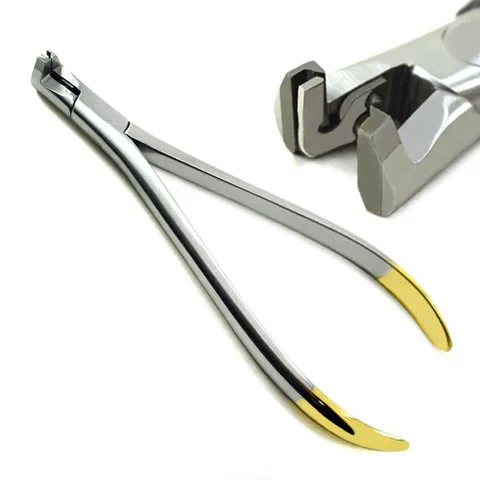
About Orthodontic Distal End Cutter
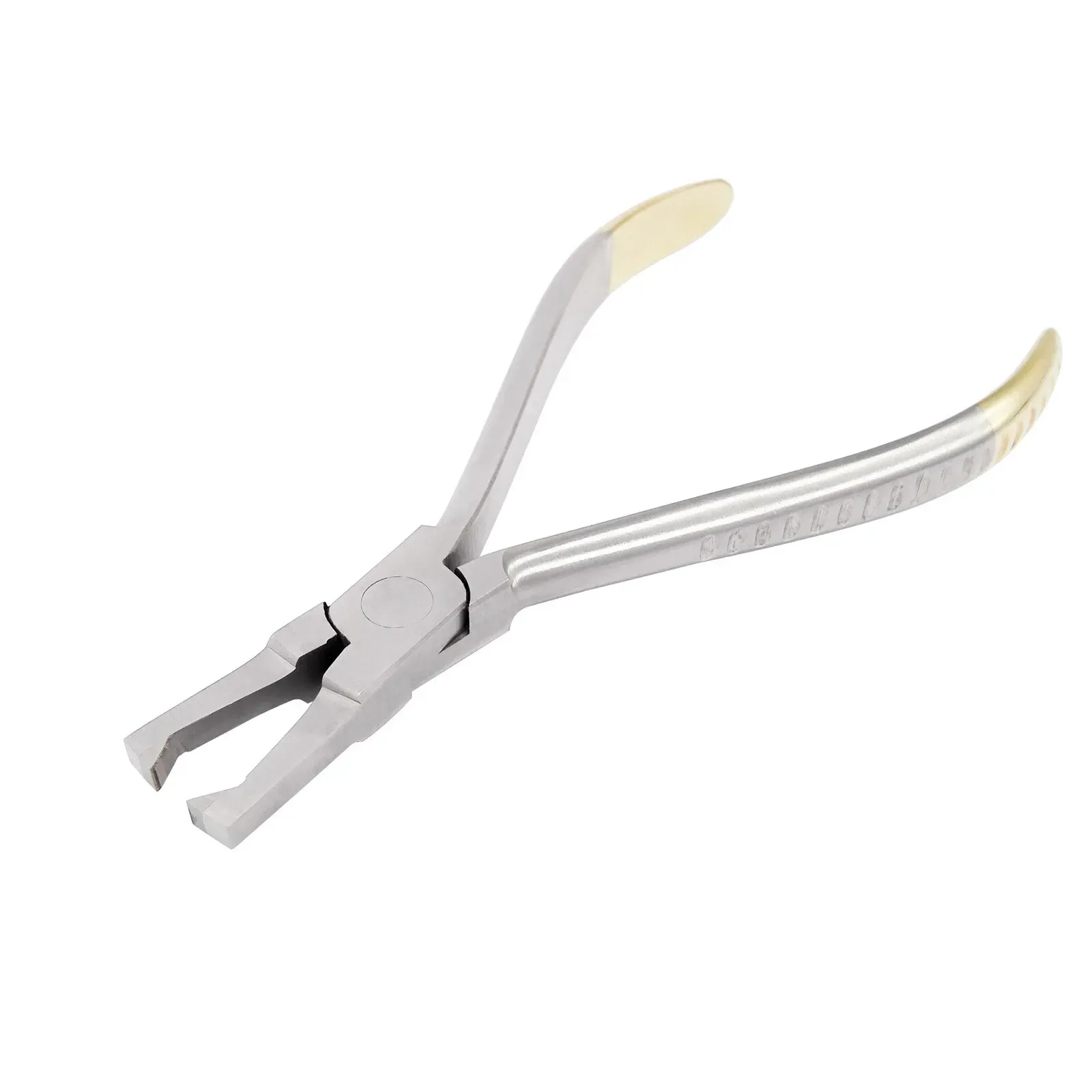
A distal end cutter trims the end of the archwire where it extends past the last molar tube. Its cutting edges sit at an angle to the handles, so it can reach behind the last tooth and cut the wire close to the tube, leaving a short, neat end.
What to decide when choosing a distal end cutter
- Hold or no hold: a safety-hold cutter grips the piece of wire it cuts off, so the loose end stays in the jaws instead of falling free. A no-hold cutter simply cuts. The hold matters most when cutting inside the mouth.
- Wire capacity: every cutter is rated for particular wire materials and sizes, and round and rectangular wire are rated separately. Cutting wire harder or larger than the rating damages the cutting edges, so match the cutter to the heaviest wire you cut.
- Handle length: cutters are made with standard and longer handles. Longer handles give more leverage on heavier wire.
When you request a quote, tell us whether you need a hold design and the heaviest wire you cut (material, and round or rectangular size). We confirm the cutter's hold type and wire rating in your quotation.
Distal end cutter or ligature cutter?
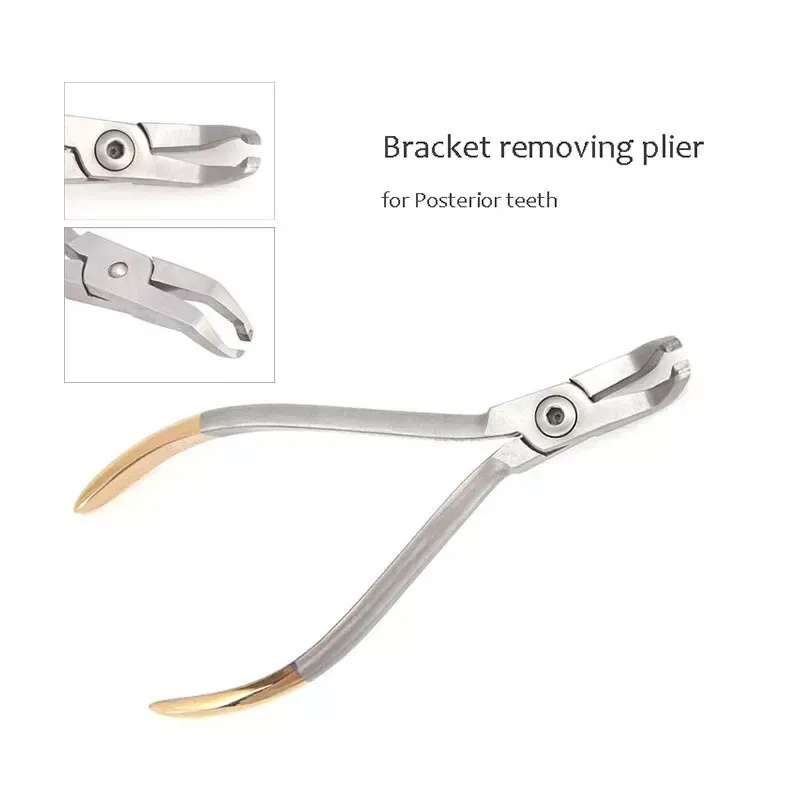
A ligature cutter is a finer instrument for the thin wire that ties the archwire to each bracket. It is not meant for archwire. For ligature wire, see our fine ligature wire cutter. For removing brackets at the end of treatment, see our bracket remover pliers.