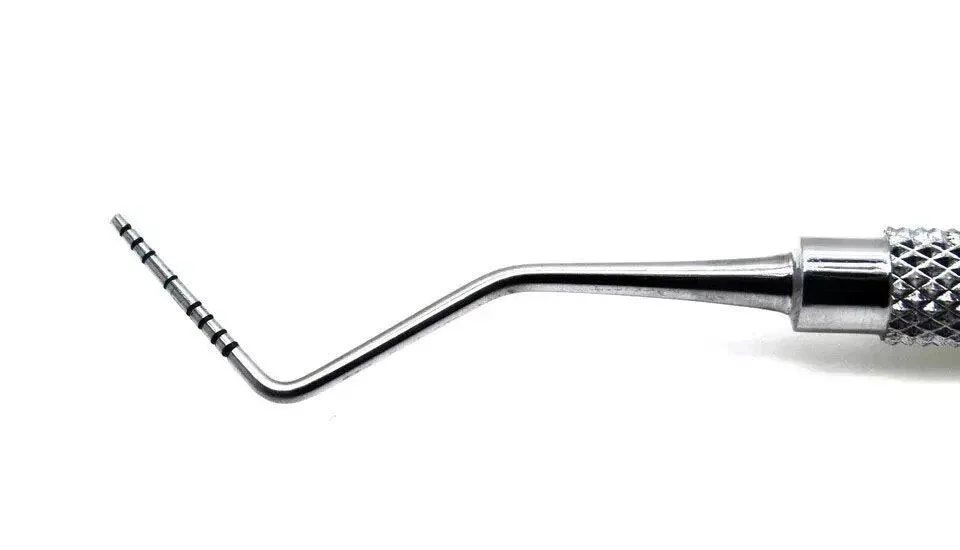
Dental Diagnostic Instruments Products

6 products
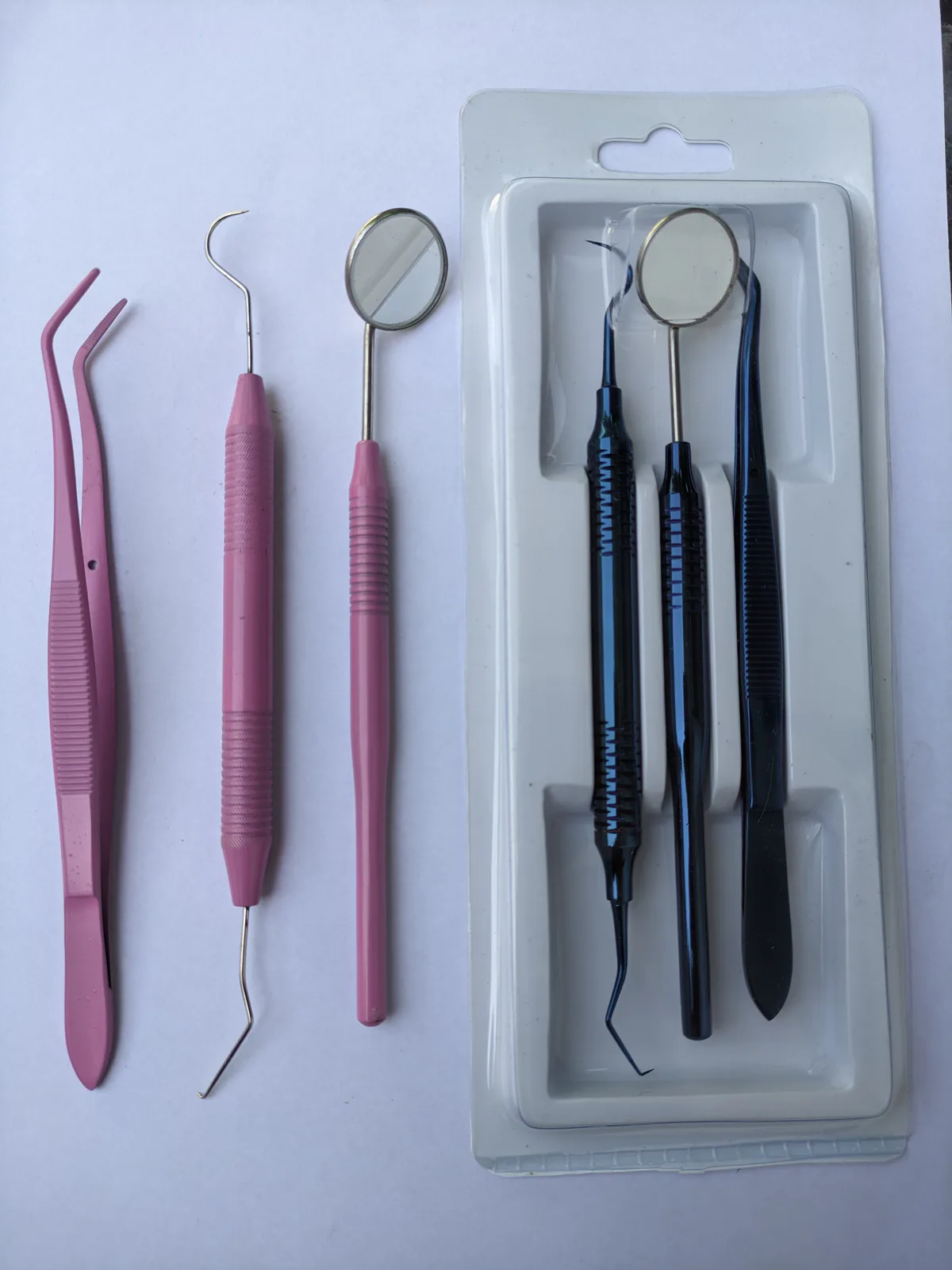
2 Colors Basic Examination Kit 6 Pcs Set 9

2 Colors Basic Examination Kit 6 Pcs Set

Color-coded basic dental examination instruments: a mouth mirror with handle, a double-ended explorer and angled tweezers. Precision-manufactured stainless steel with durable, reusable construction and a smooth professional finish. Easy to clean and sterilize. Quote by the number of sets and the colors you need.

Request pricing
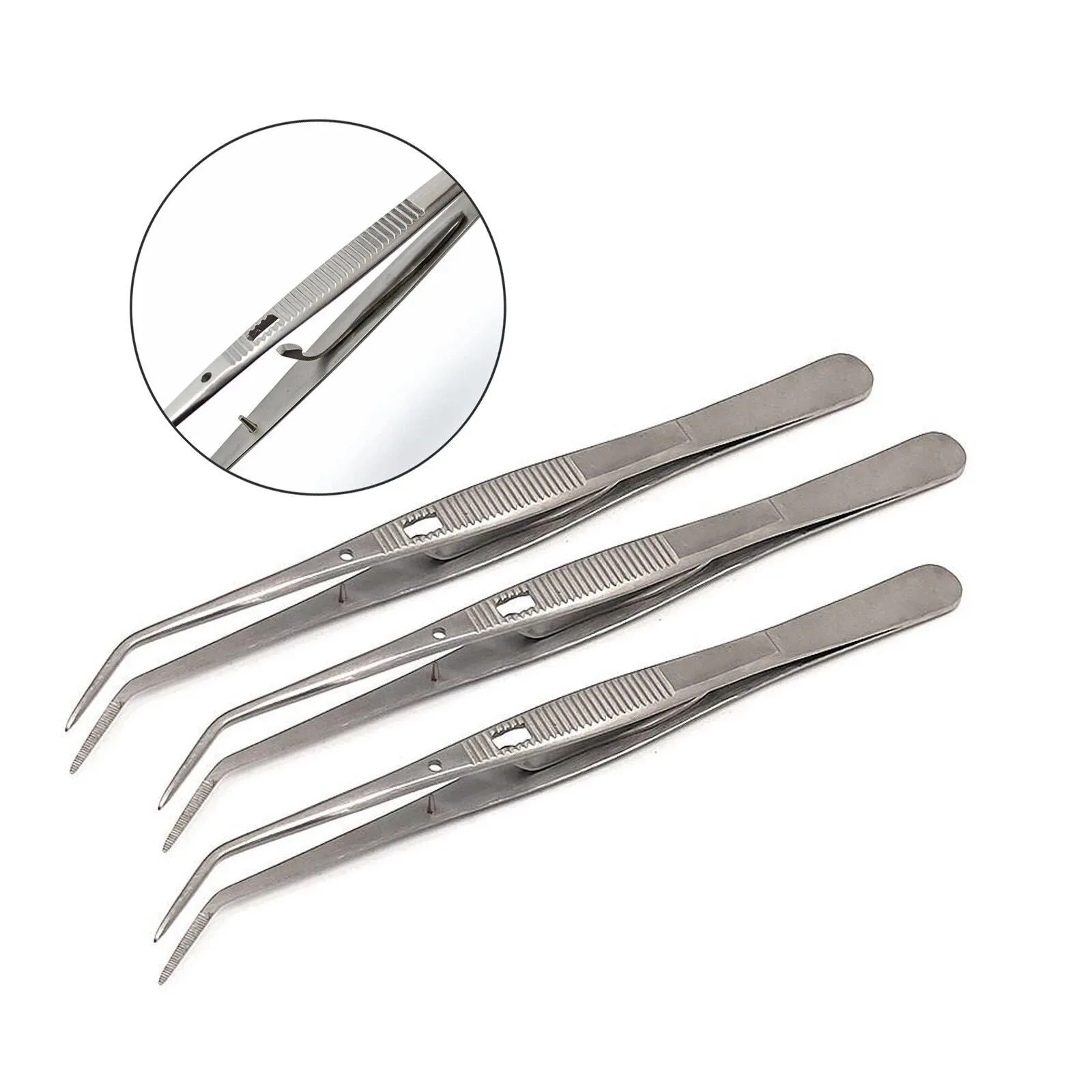
Locking College cotton pliers with a detail of the locking feature

College Tweezers and Dental Cotton Pliers

College tweezers, also called dental cotton pliers, grasp and transfer cotton and other small dental materials. Tip direction, contact surfaces, locking action and length distinguish different configurations.

21 variations available
Single piece $5.00 · Set $15.00
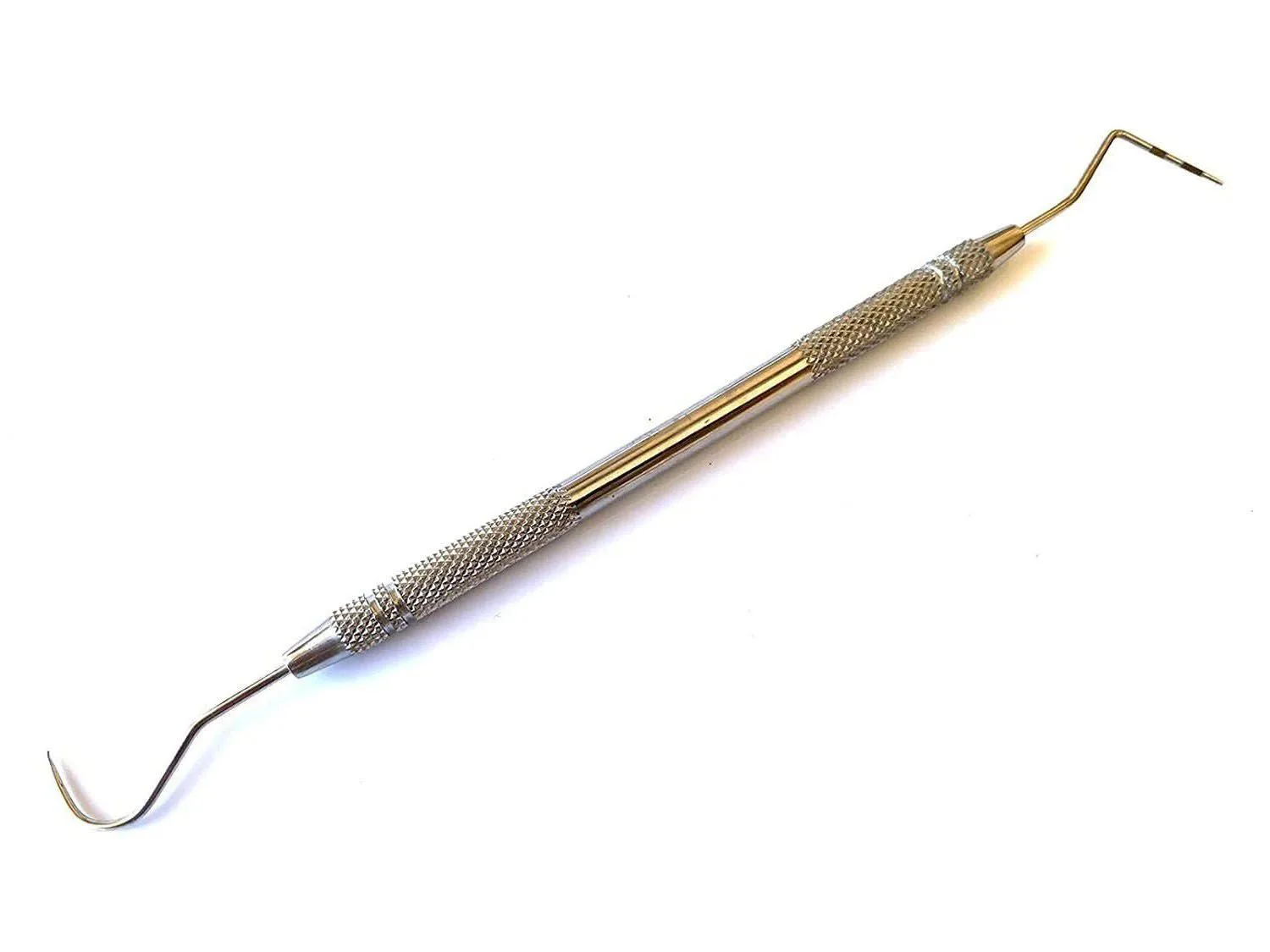
Double-ended explorer and marked periodontal-probe combination instrument

Dental Explorer-Probe Combinations

Dental explorer-probe combinations bring examination and periodontal measurement functions together. Compare the explorer figure, probe marking pattern and handle form when selecting an instrument.

8 variations available
Single piece $4.00
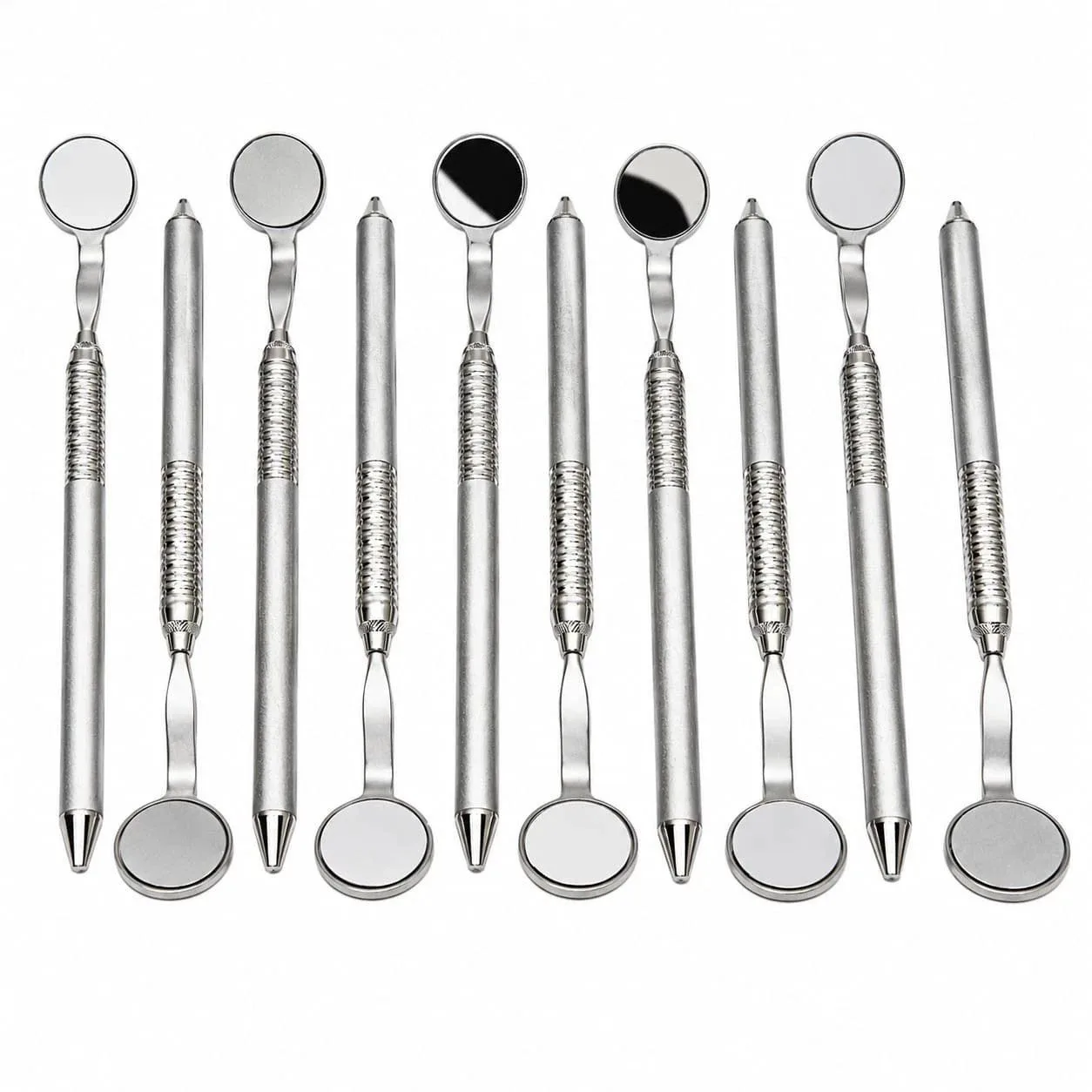
Dental mirror heads and matching metal handles arranged as repeated examples

Dental Mirror #5

Size #5 dental mouth mirror with a round head, 45° angled, size 15.8 cm. Order complete mirrors or heads alone, singly or by the set.

Metal head and handle; component grades confirmed in your quotation
Single piece $5.24 · Set $25.00
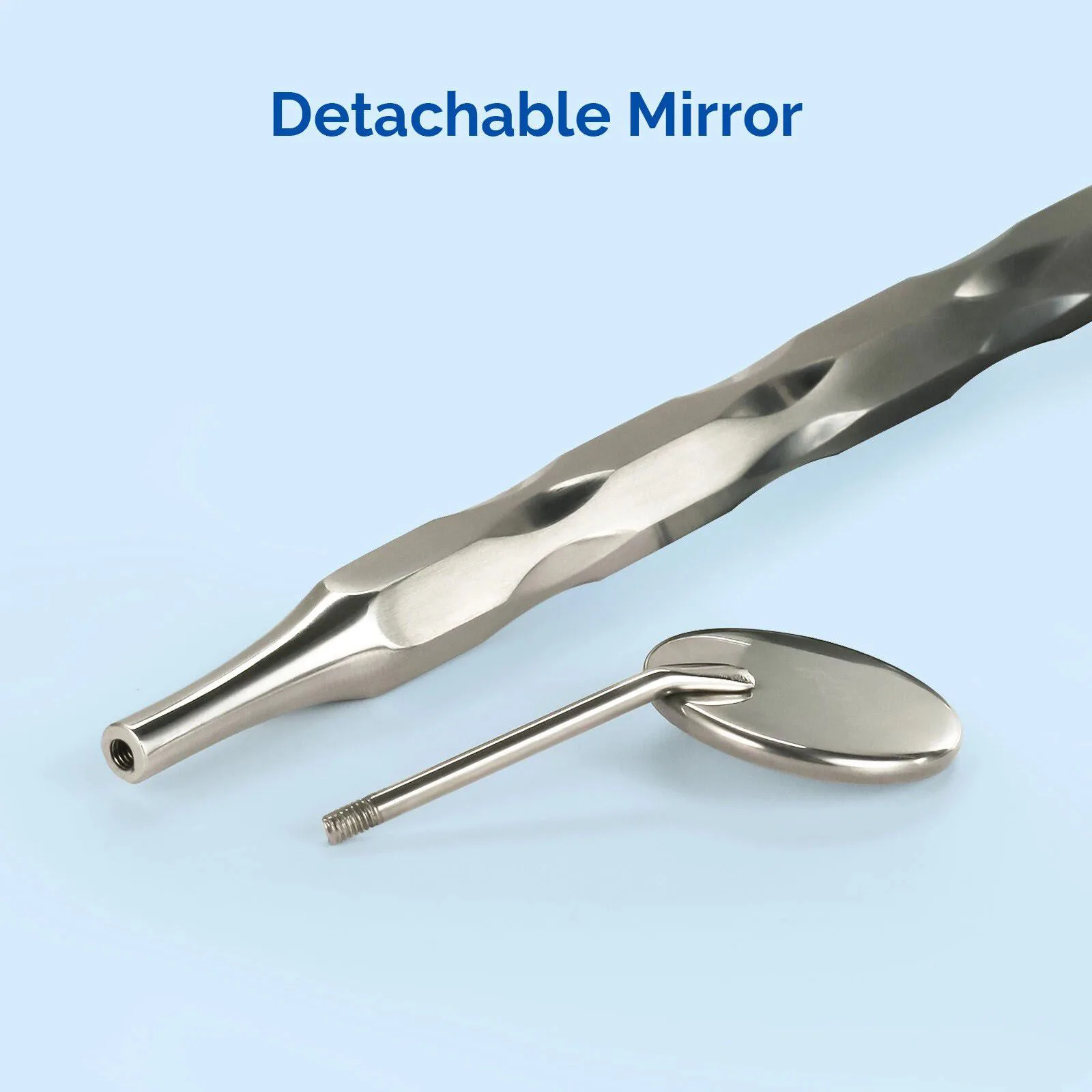
Faceted dental mirror handle and assembled mirror examples — view 1

Dental Mirror Handles

Dental mouth mirror handles for replaceable mirror heads. Send your mirror head type, and we confirm the handle that fits before you order.

35 variations available
Single piece $5.24 · Set $25.00
Close-up of the Williams-type periodontal probe graduations — view 1

Williams Periodontal Probe

A single-ended Williams periodontal probe with color-coded graduations at 1, 2, 3, 5, 7, 8, 9 and 10 mm, for periodontal measurement and charting in professional practice.

Single piece $11.95

Dental Diagnostic Instruments Buying Specifications
SpecificationDetails
Choose by taskVisibility, tactile examination, marked measurement, or placement and retrieval
Working-end detailsMirror diameter, explorer pattern, probe scale, or plier tip and serration
ConstructionSingle- or double-ended design, handle pattern, overall length, material, and finish
Order formatIndividual instruments, examination combinations, diagnostic kits, or private-label assortments
Quote informationPattern or figure, dimensions, handle, quantity, packaging, branding, and destination

How to Choose Dental Diagnostic Instruments

Choose the Instrument by the Examination Task

Start with the job the instrument must perform. Mouth mirrors provide indirect vision, reflect light, and assist with soft-tissue retraction. Explorers give tactile feedback through a fine working end. Periodontal probes provide a marked scale for clinical measurements. Cotton pliers hold or retrieve small materials. A combined explorer-probe places two examination functions on one handle when that configuration matches the buyer’s preferred setup.

These families belong on the same examination tray, but they are not substitutes for one another. A purchasing list should name the instrument family first and then the exact pattern, marking system, tip, or mirror size. That approach is faster and more reliable than ordering a general “diagnostic instrument” without a reference.

  • Mouth mirrors and handles — Specify head diameter, reflective format where verified, handle connection, and whether heads and handles are ordered separately.
  • Dental explorers — Use the pattern or figure number, end configuration, shank form, and handle to identify the required instrument.
  • Periodontal probes — Record the marking sequence, working length, single- or double-ended configuration, and handle.
  • Cotton pliers — Compare tip profile, serration, angulation, locking action where present, and overall length.

Compare Working Ends Before Handles

The working end determines whether the instrument matches the buyer’s existing tray. For a mirror, the meaningful details are head diameter, reflective surface, and connection. For an explorer, they are pattern, point, and shank. For a probe, the scale must be readable and consistent with the charting system used by the practice or school. For cotton pliers, the tip width, alignment, and serration usually matter more than a broad “college plier” label.

Handle diameter, weight, and texture affect preference and standardization, but a preferred handle cannot correct the wrong working end. When replacing an existing instrument, send its reference, clear working-end photographs, and measurements. We can then quote against a defined requirement rather than selecting a close-looking alternative.

Build a Consistent Examination Setup

Clinics and dental schools often standardize diagnostic trays so the same mirror size, explorer pattern, and probe markings appear across operatories. Consistency simplifies instrument identification, teaching, replacement ordering, and tray assembly. Distributors may instead need several clearly labelled pattern groups for different customers. Both buying models should begin with a written instrument list.

Individual products suit replacement orders and custom combinations. A diagnostic kit is more practical when the required contents already match its bill of materials. Before requesting a set price, check each included instrument, its handle, and the cassette or packaging arrangement. “Four-piece kit” describes quantity, not the exact patterns inside it.

Specify Material, Finish, Packaging, and Evidence

A useful quotation identifies the pattern, dimensions, handle, quantity, packaging unit, branding, and destination. If the order must match a previous batch, include the approved sample or its specification. For private-label supply, also provide the marking location, label artwork, barcode needs, and pack configuration. These details let manufacturing and packaging be reviewed against the same requirement.

Our Sialkot manufacturing and export documentation can be discussed with the commercial order. Relevant material declarations, quality information, packaging specifications, and certificates can be linked or supplied with the quotation package. Reprocessing compatibility should always be confirmed from the applicable product instructions and the facility protocol.

What to Send for a Diagnostic Instrument Quote

Send a line-by-line list containing the instrument name, pattern or figure, mirror diameter or probe scale where applicable, handle preference, quantity, and packaging. Note whether you need individual instruments, matched examination sets, or a mixed private-label range. Attach photographs only when they show a product you are authorized to reproduce or match.

We will review the request against the current product range and confirm the available configuration before pricing. That confirmation step is particularly important for pattern names used differently by different manufacturers. The final quotation should identify the exact order lines rather than relying on one broad category name.

Dental Diagnostic Instruments FAQ

What should I compare in cotton and dressing pliers?

Compare the named pattern, tip surface, length and handle form for the selected reference. Cotton and dressing pliers come in several patterns, such as Perry, Meriam, Flagg and College, with serrated or diamond-coated tips and different handle options. Keep the actual reference and tip views with your request rather than treating every cotton plier as the same configuration.

Is an explorer–probe the same as a separate explorer and probe?

No. An explorer-probe combines the two working ends on one handle, and makers also list single-ended alternatives. Compare the explorer pattern and the probe's actual markings in either arrangement, because a combination name alone does not tell you its scale or show that its ends match the separate instruments in your tray.

What matters when replacing a dental mirror head or handle?

Keep the mirror-head diameter and optical specification separate from the handle attachment. Use the exact head and handle references or a documented matching connection. Thread terminology and product size can describe different attributes, so a familiar mirror number or similar handle appearance is not sufficient to identify a replacement assembly.

How should diagnostic sets be compared?

Compare the instrument list rather than the piece count: mirror assembly, explorer pattern, probe scale and cotton-plier form each need an identity and quantity. A double-ended instrument is one complete instrument. Also check whether the stated count includes a separate head, handle or container so you compare the same purchasing unit.

Which details help standardize examination trays across a clinic or course?

Record the same mirror specification, explorer pattern, probe marking sequence and cotton-plier configuration for each tray. Keep handle choices and replacement references with that schedule. Standardizing the working ends makes future comparisons clearer; using the same handle style alone can still leave different patterns or scales in the assortment.

Need Diagnostic Instruments in Bulk?

Send your instrument list and quantities for manufacturer-direct pricing, custom branding, or mixed-category quotes.

WhatsApp