
Dental Instruments Guide Library
Everything you need to understand dental instruments before you buy: the main instrument types, their names and clinical uses, how to choose the right patterns, and how to clean, sterilize, and maintain them. Use these guides to research, then compare products across our instrument categories.
Core Dental Instrument Guides
The foundational guides most buyers, students, and clinical teams read first.
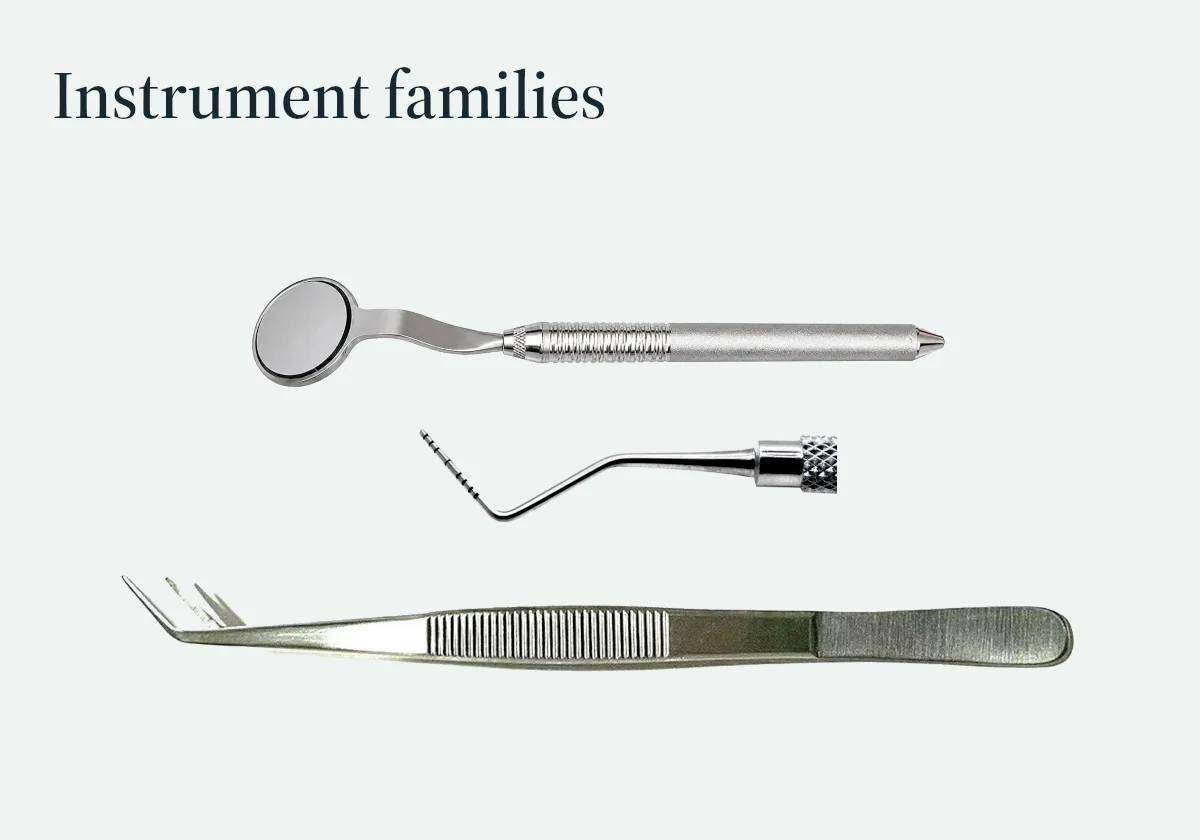
Complete Guide to Dental Instruments
Learn the main types of dental instruments, how they are used, what materials matter, and how to choose reliable tools for clinical workflows.
Read Guide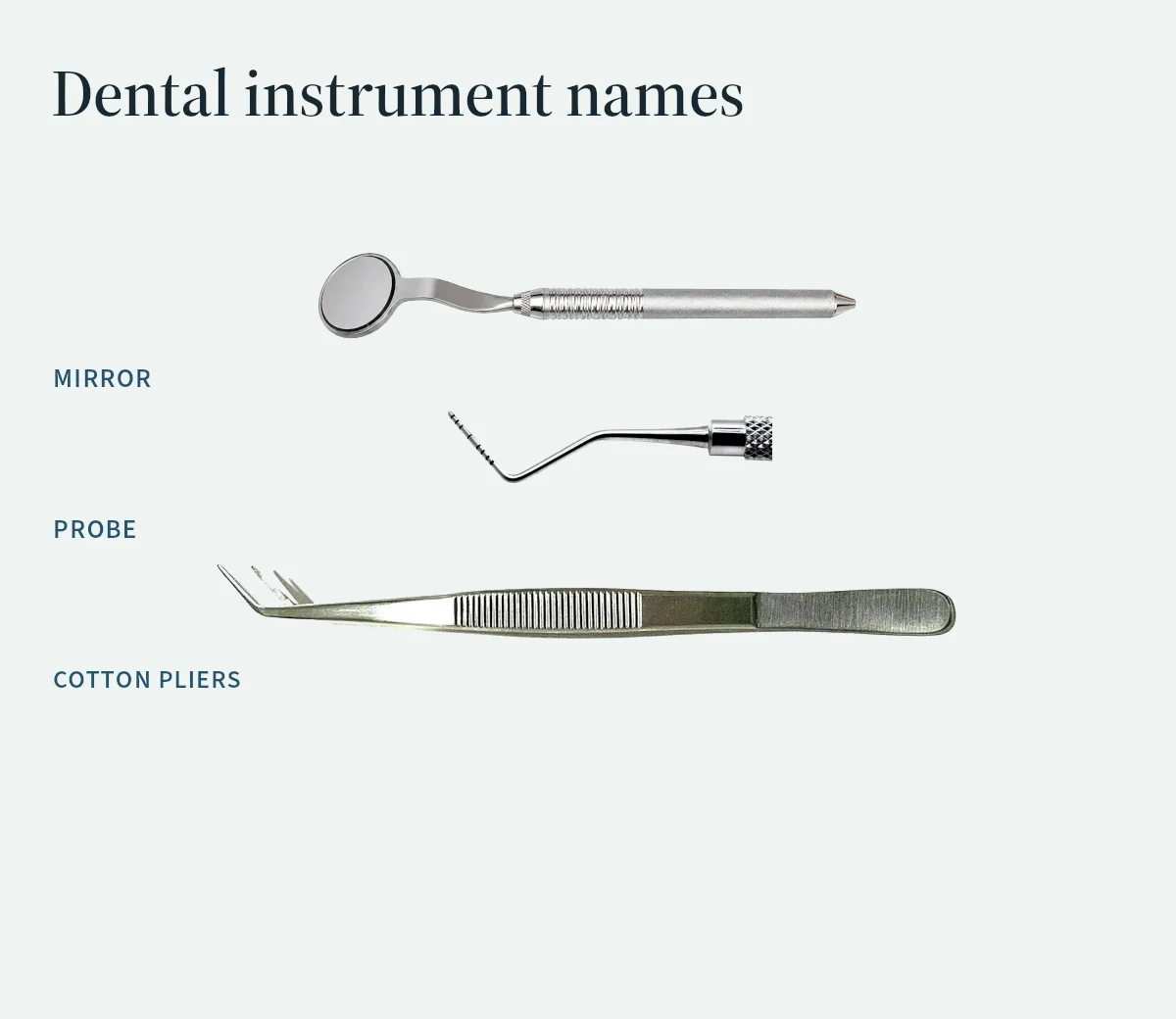
Dental Instrument Names and Uses
A practical reference for dental instrument names, common uses, related categories, and buying cues for practices, students, and distributors.
Read Guide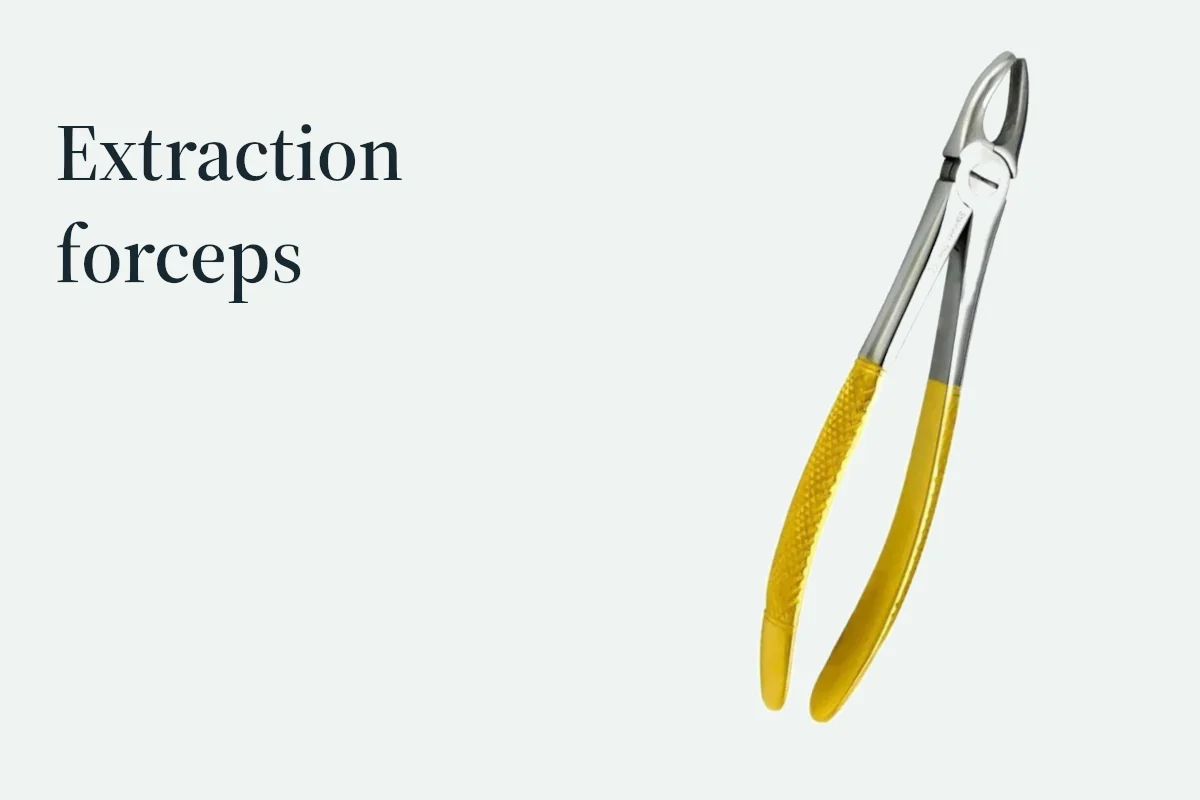
Choosing Dental Extraction Forceps
How to choose dental extraction forceps by arch, tooth position, beak shape, root anatomy, handle style, and clinical workflow.
Read Guide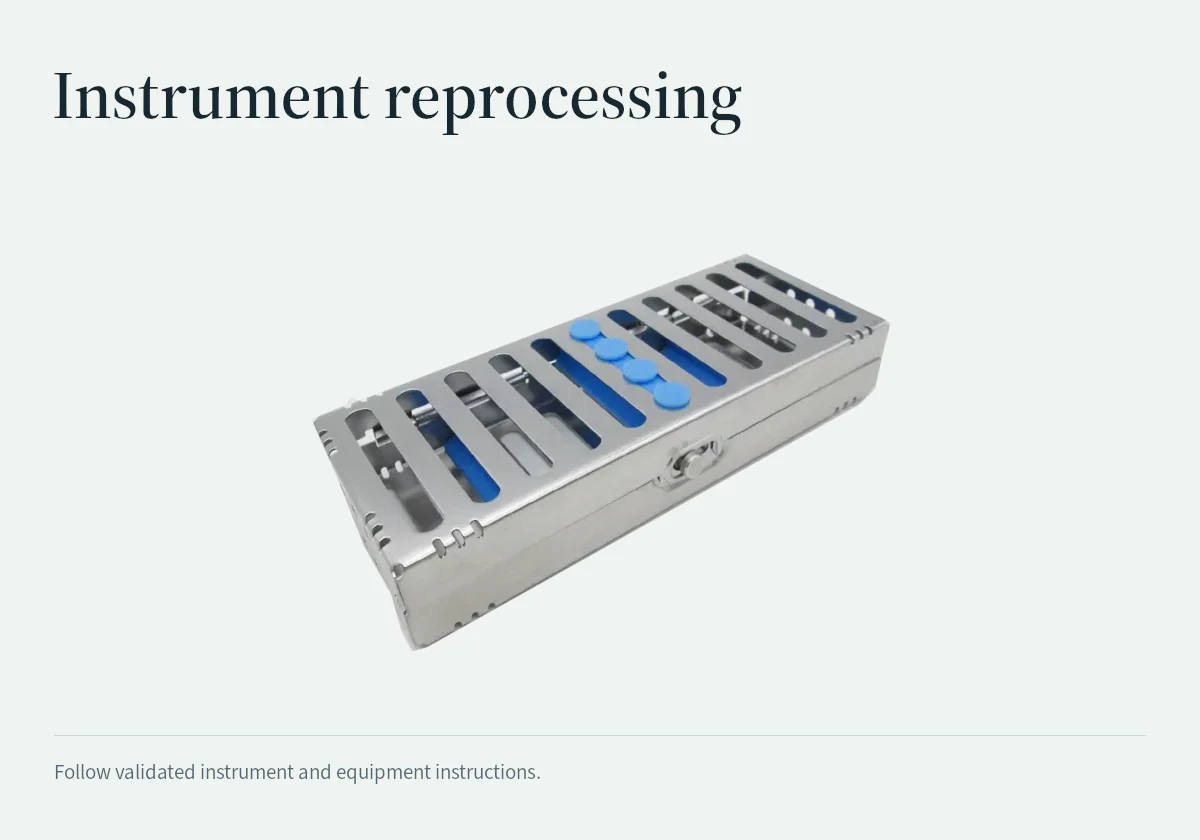
Dental Instrument Sterilization Guide
Step-by-step dental instrument sterilization guidance covering cleaning, inspection, packaging, autoclave cycles, monitoring, and storage.
Read Guide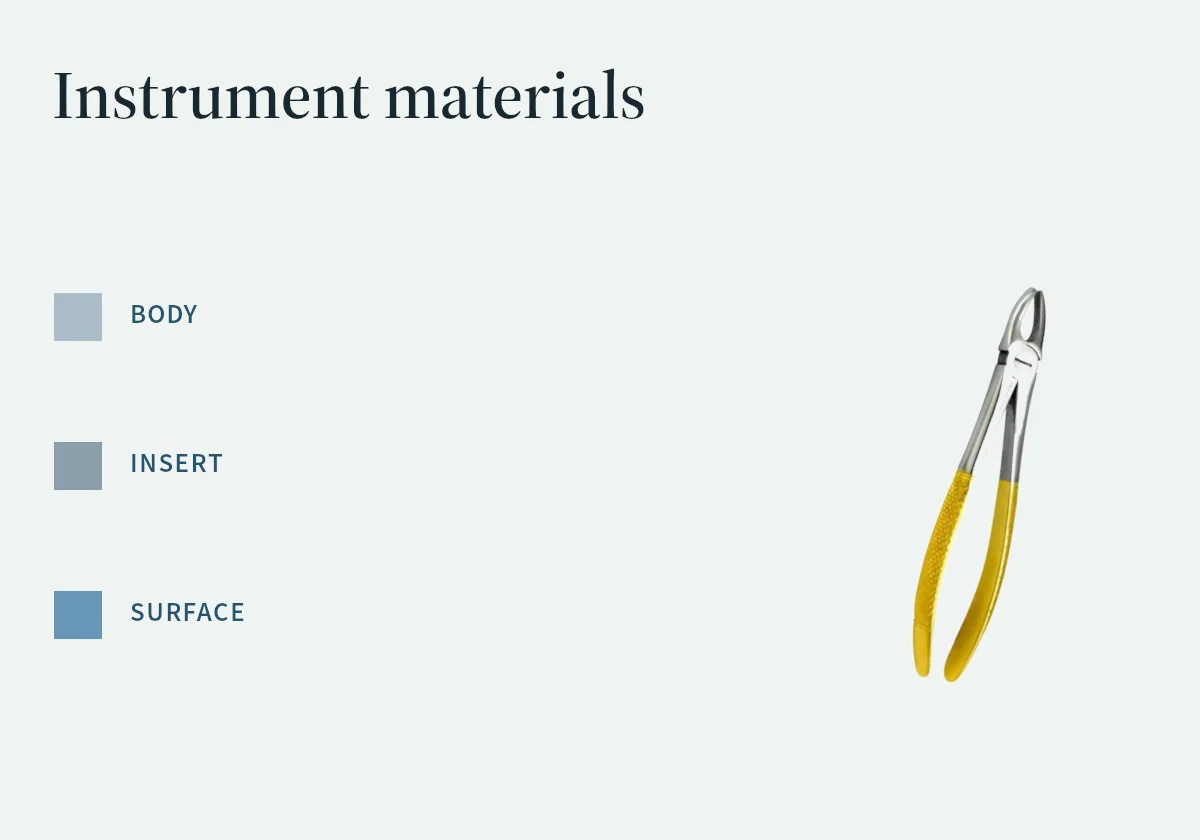
Dental Instrument Materials and Stainless Steel Grades
Dental instrument materials explained: martensitic and austenitic stainless steel grades (AISI 410, 420, 420J2, 440), Rockwell hardness, corrosion resistance, forging, and passivation.
Read Guide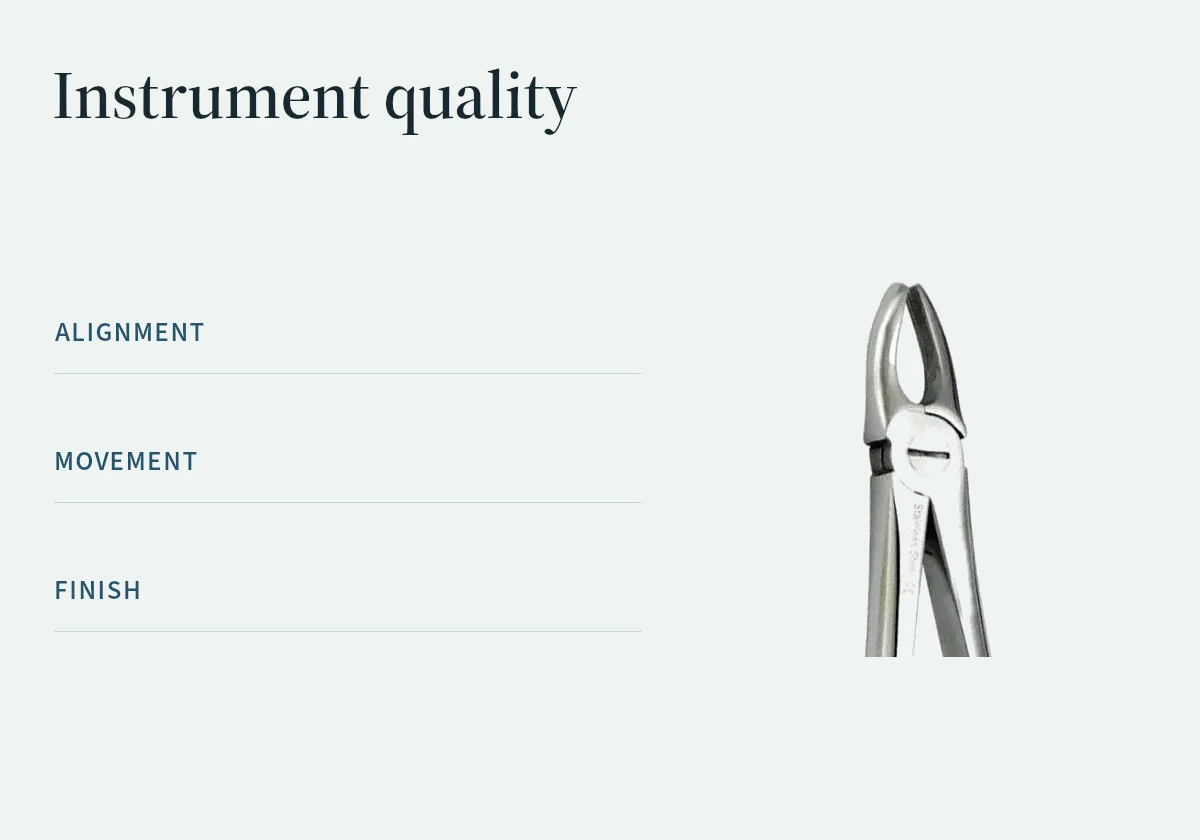
How to Evaluate Dental Instrument Quality
How to evaluate dental instrument quality before buying: stainless steel grade, forging method, finish, joint and hinge action, cutting-edge retention, tolerances, and certifications.
Read Guide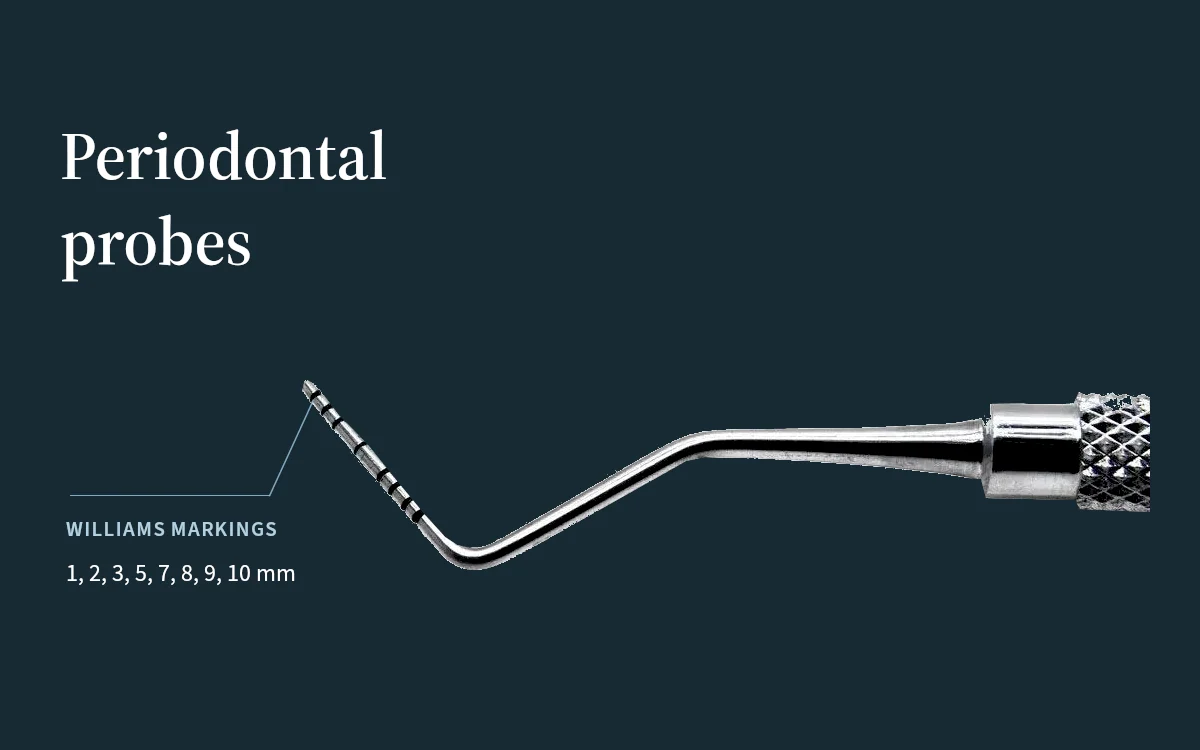
Periodontal Probe Types and Markings
Compare periodontal probe types and markings, including Williams, UNC-15, Marquis, WHO/CPI, and Nabers probes, and learn which measurement task each pattern supports.
Read Guide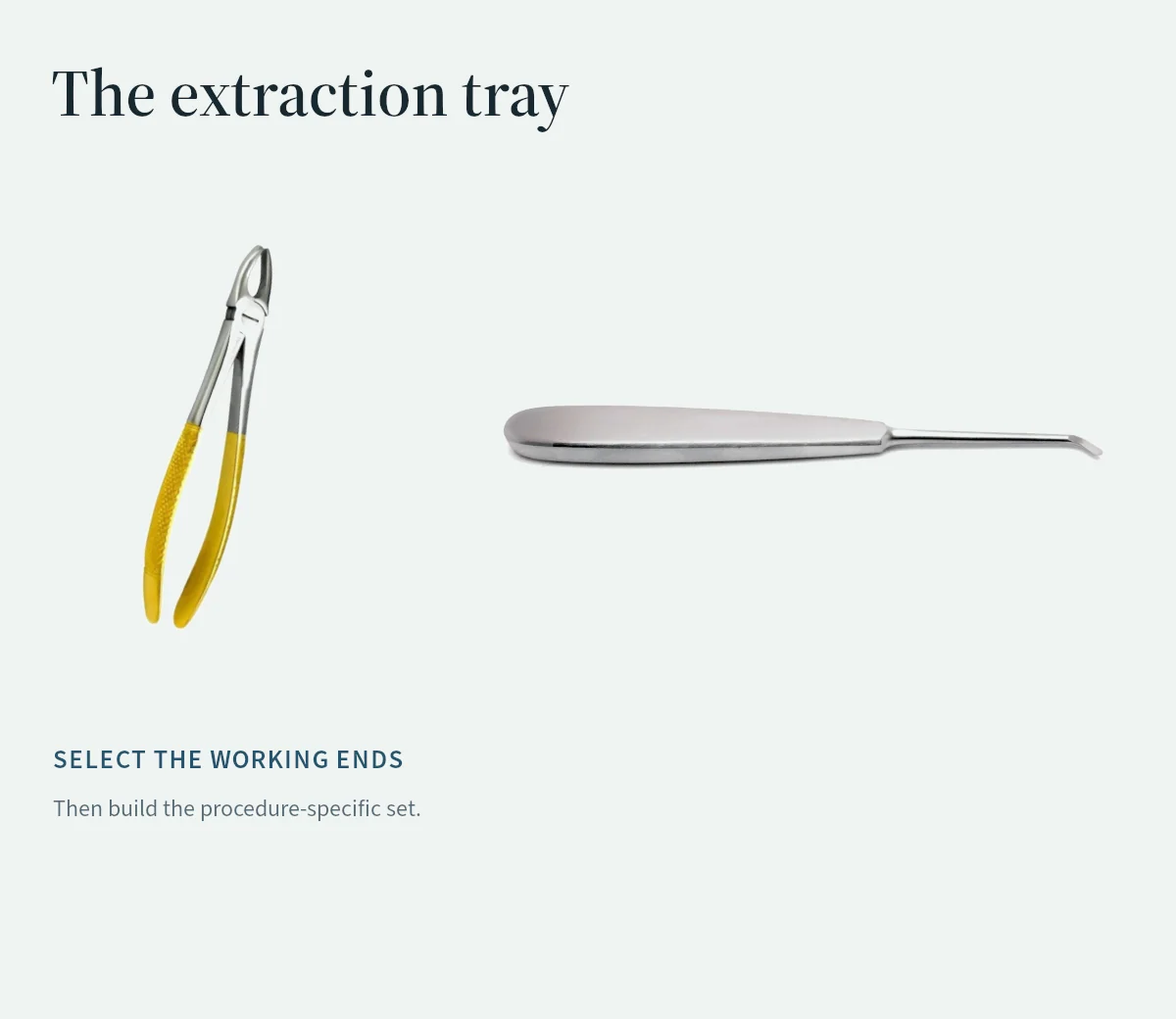
Dental Extraction Tray Setup and Instrument List
A practical dental extraction tray setup guide covering the core instruments for simple extraction and the additional instruments used in surgical and retained-root setups.
Read Guide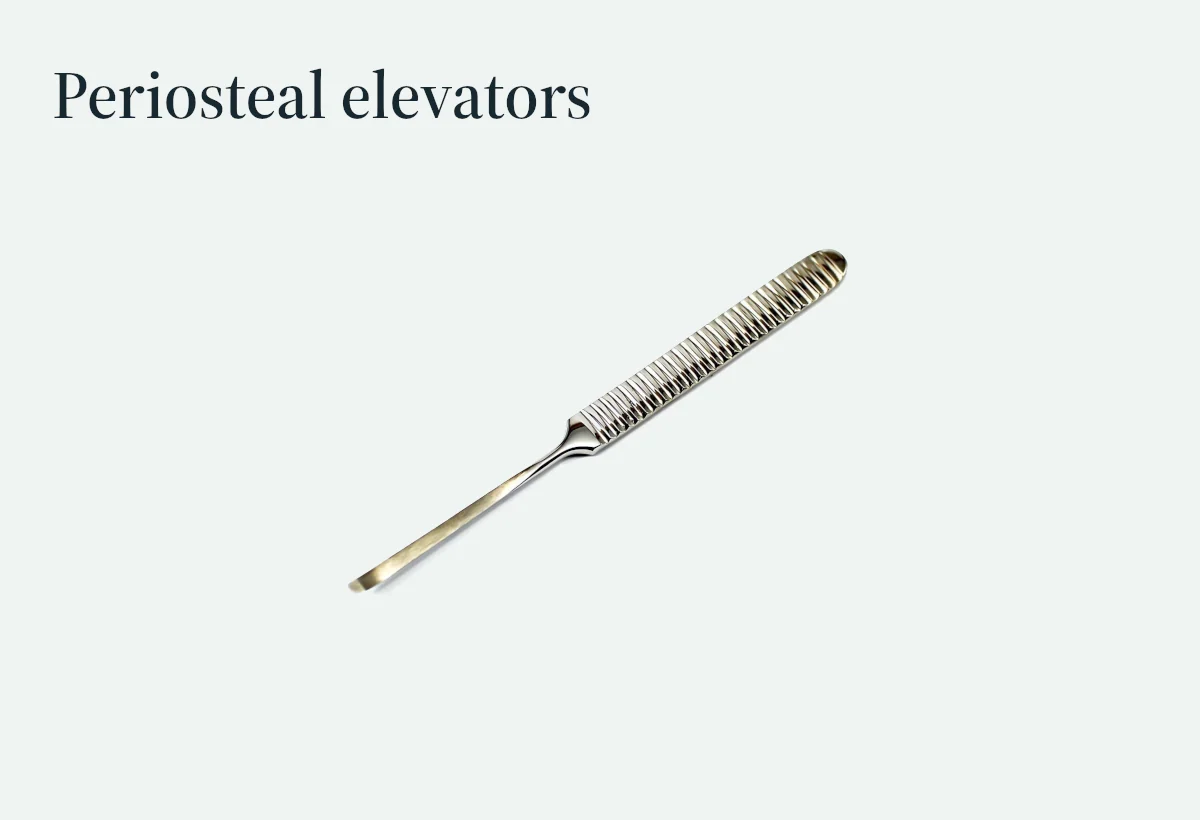
Periosteal Elevator Types and Selection Guide
Compare periosteal elevator types including Molt, Prichard, Freer, Woodson, Allen, and Buser patterns by working end, access, handle, and order specification.
Read Guide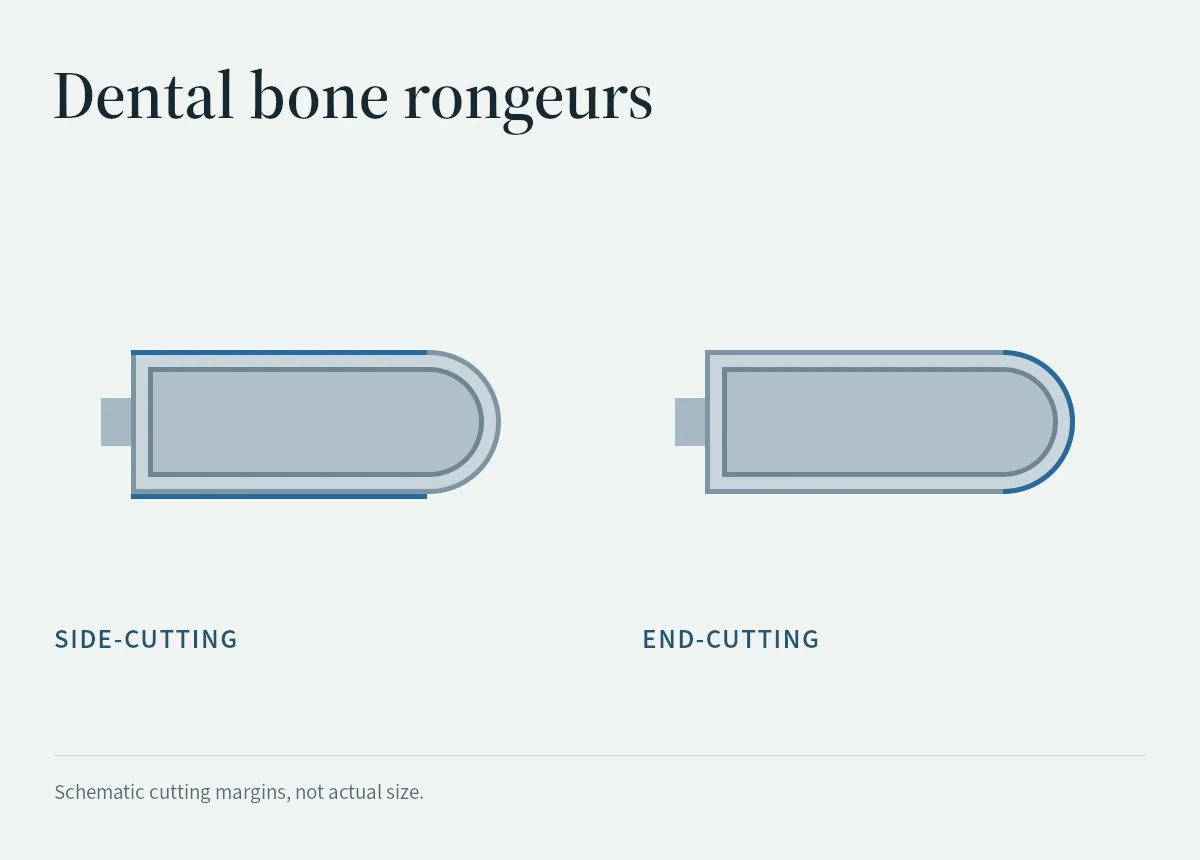
Dental Bone Rongeur Types and Selection Guide
Compare dental bone rongeur types by side- or end-cutting jaws, Friedman, Blumenthal, Luer, Beyer, length, angle, spring, and purchasing specification.
Read Guide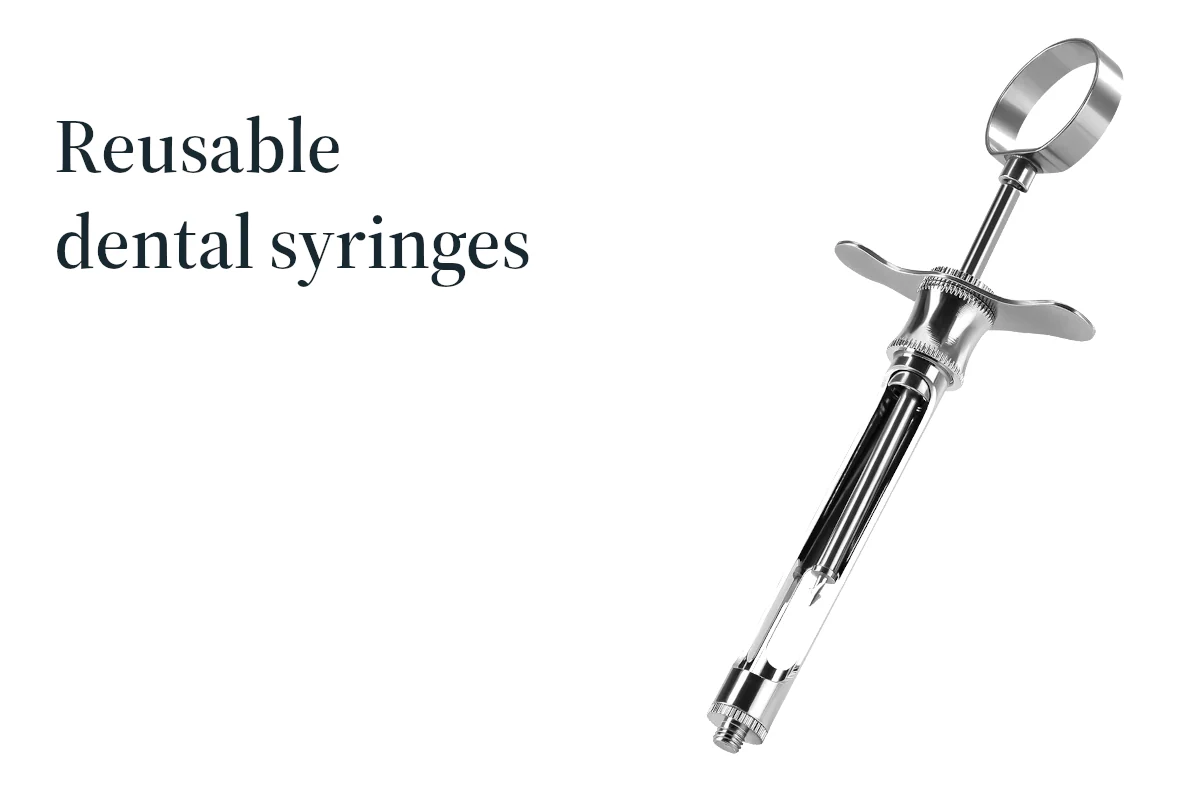
Reusable Dental Syringe Types and Selection Guide
Compare reusable dental syringe types by manual or self-aspirating mechanism, 1.7/1.8 ml cartridge, EU/AM thread, winged handle, material, and quote specification.
Read Guide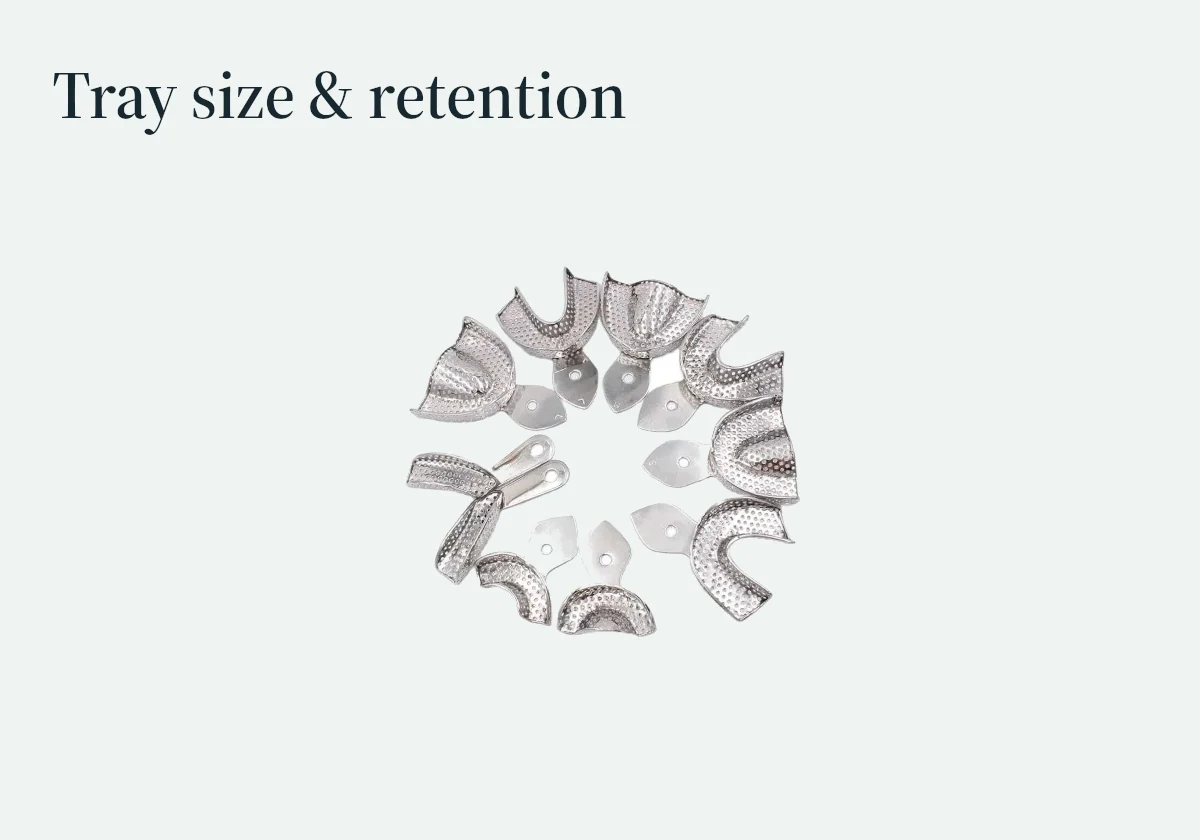
Dental Impression Tray Sizes and Retention Guide
Compare dental impression tray sizes, upper/lower and dentate/edentulous forms, perforated, solid, rim-lock, full-arch, partial, and reusable metal patterns.
Read Guide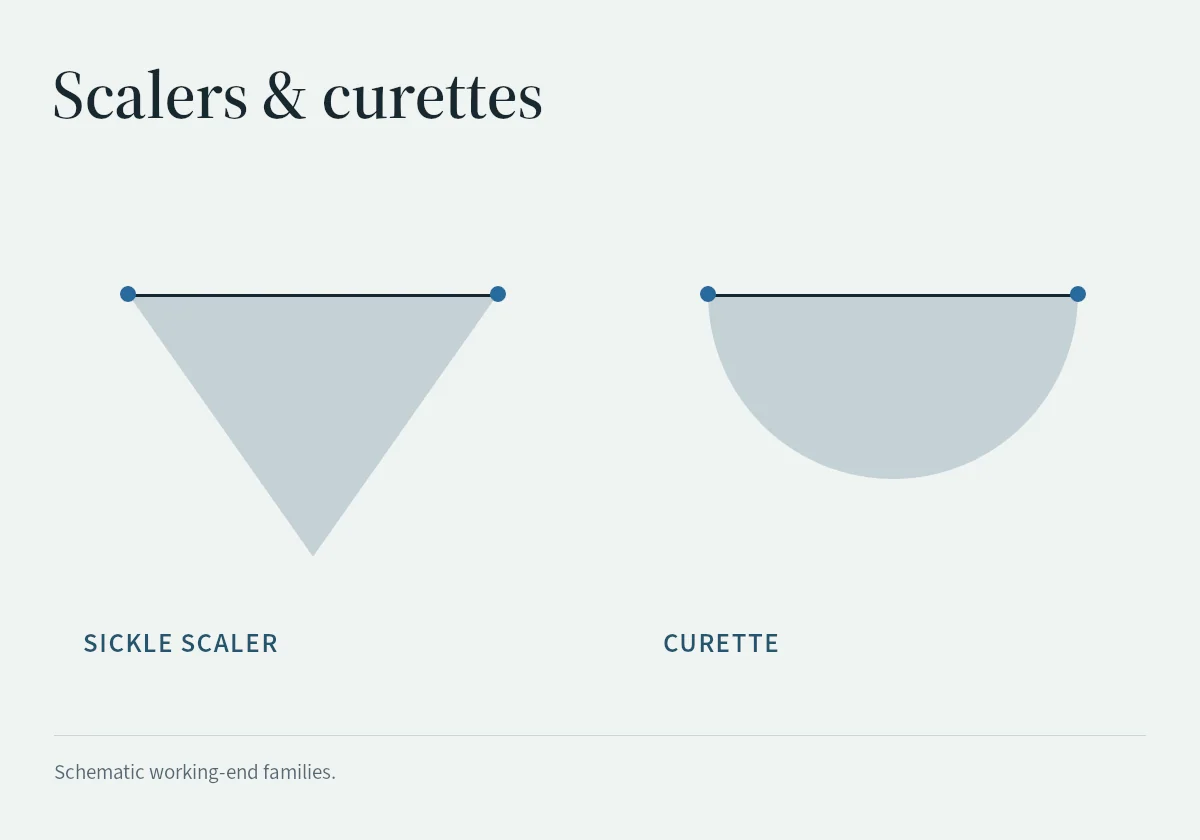
Dental Scaler Types and Selection Guide
Compare dental scaler types including anterior and posterior sickle, H6/H7, Jacquette, 204S, Morse, U15, hoe, periodontal file, and implant-maintenance patterns.
Read Guide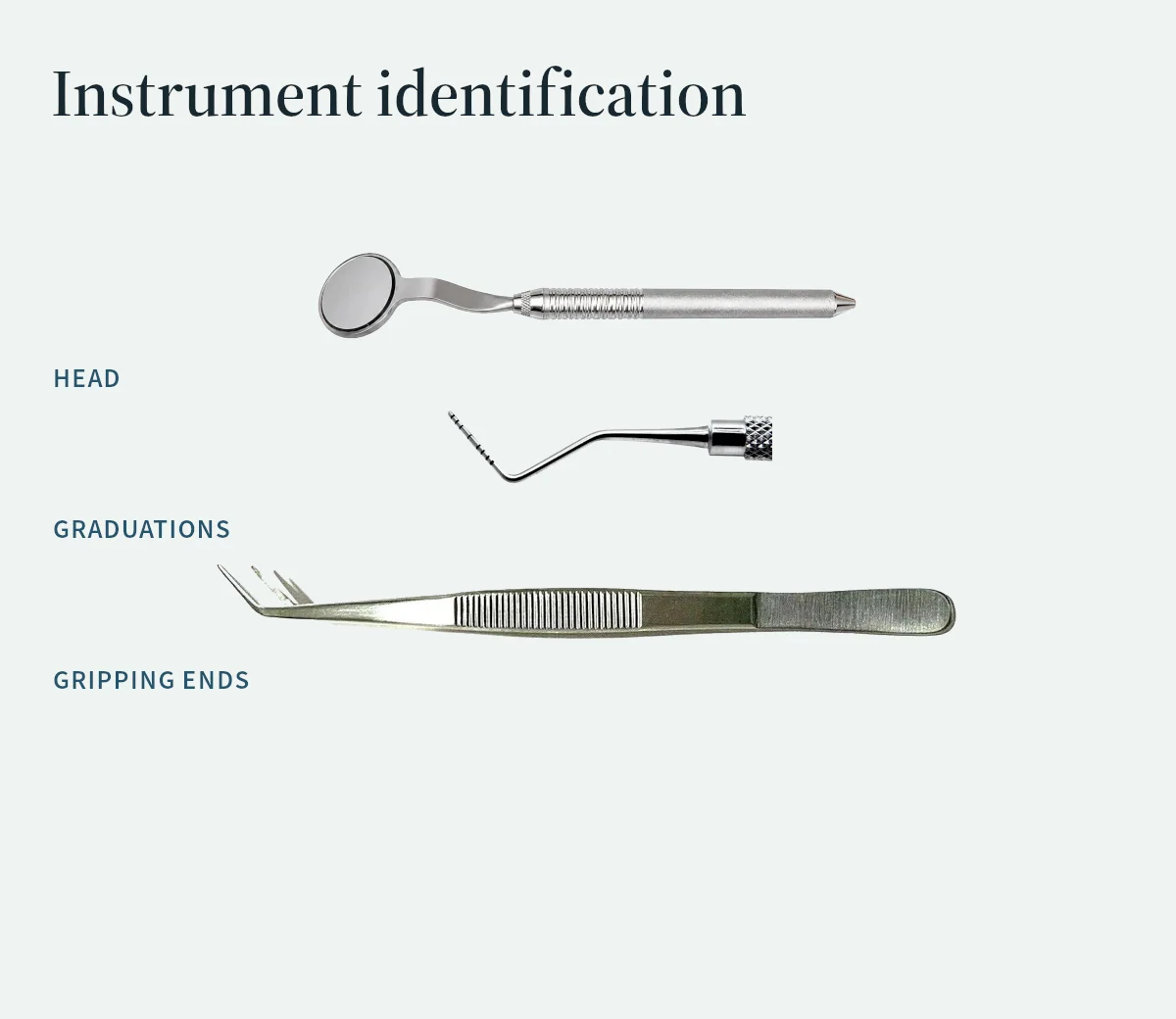
Dental Instrument Identification Chart
A searchable identification reference for dental instrument families, common patterns, easily confused families, and what to verify before ordering.
Read Guide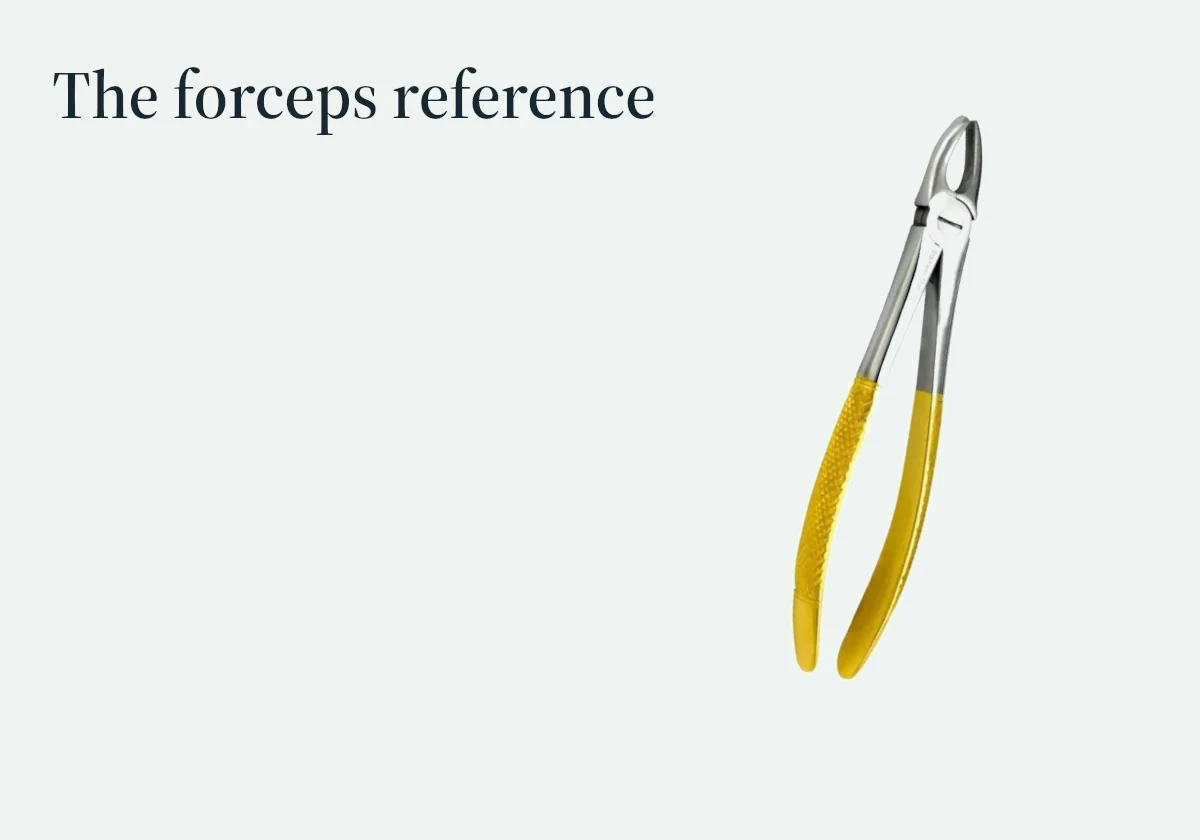
Dental Extraction Forceps Numbering Chart
Reference table for common dental extraction forceps figures across American, English, and European pattern systems, with arch, tooth group, and beak-profile notes for procurement.
Read Guide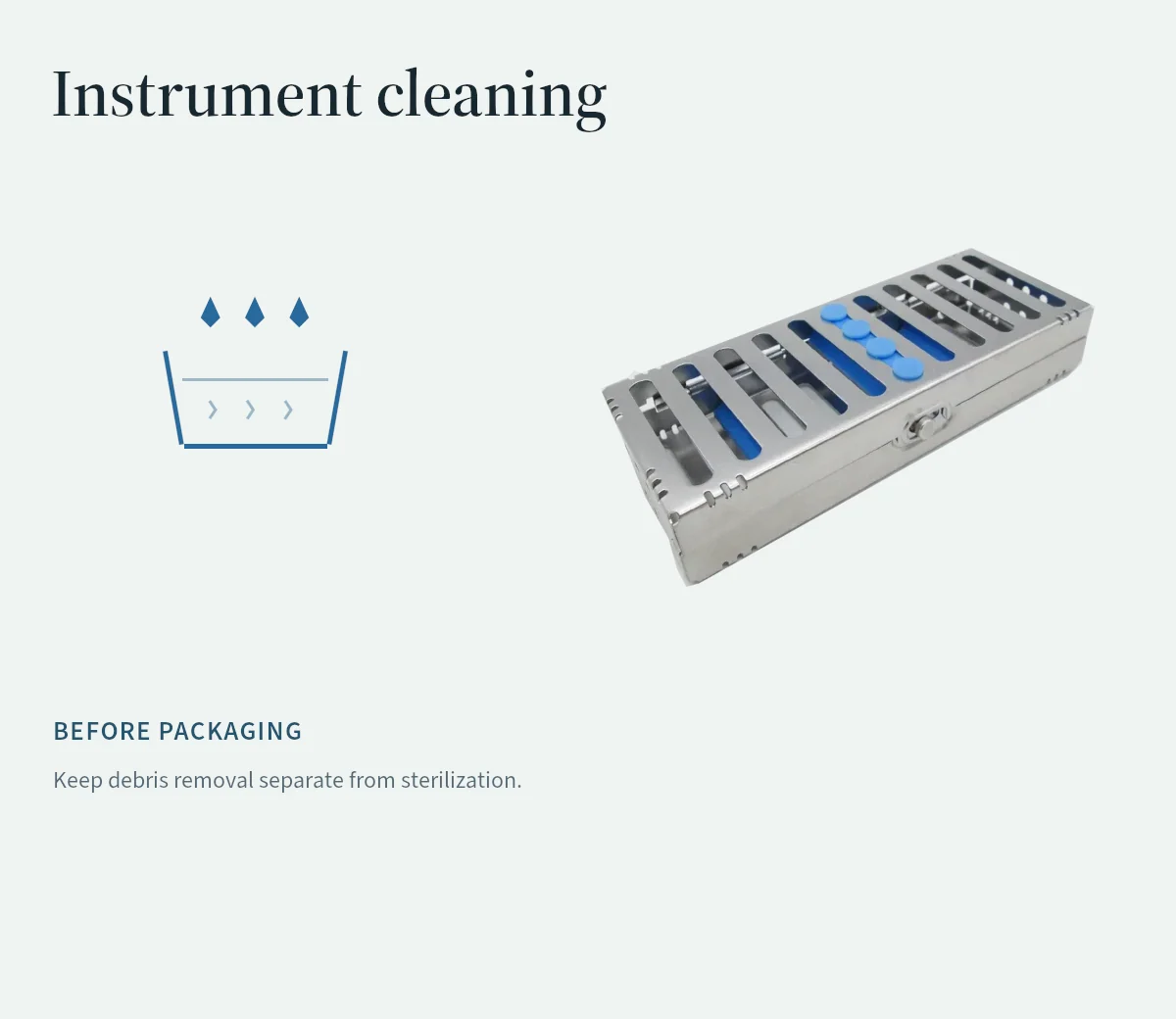
Dental Instrument Cleaning and Ultrasonic Processing
A procurement and workflow reference for cleaning reusable dental instruments. It covers matching each item to its manufacturer instructions, choosing the cleaning method they validate, drying, inspection, packaging and facility-defined monitoring.
Read Guide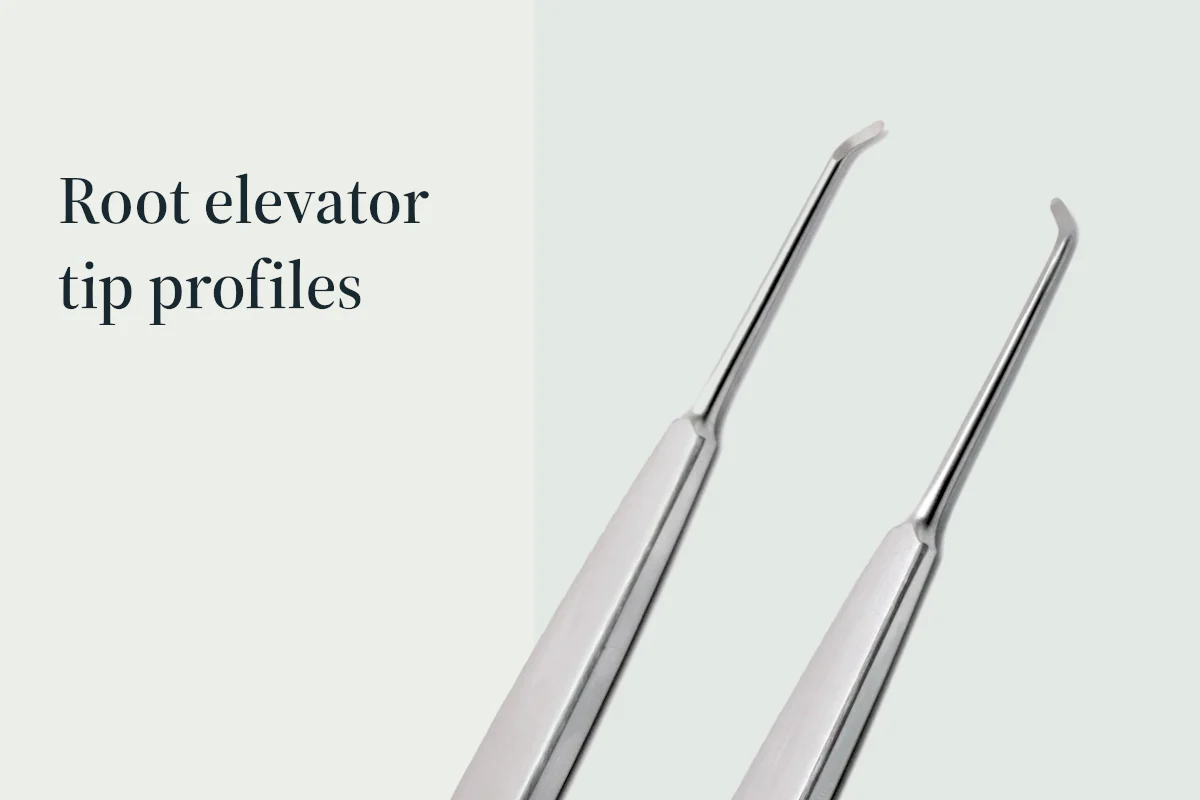
Dental Elevator vs Luxator and Periotome: Buying Comparison
Compare elevators, periotomes and luxating instruments by intended action, blade design and ordering details. Understand the Luxator brand distinction before buying.
Read Guide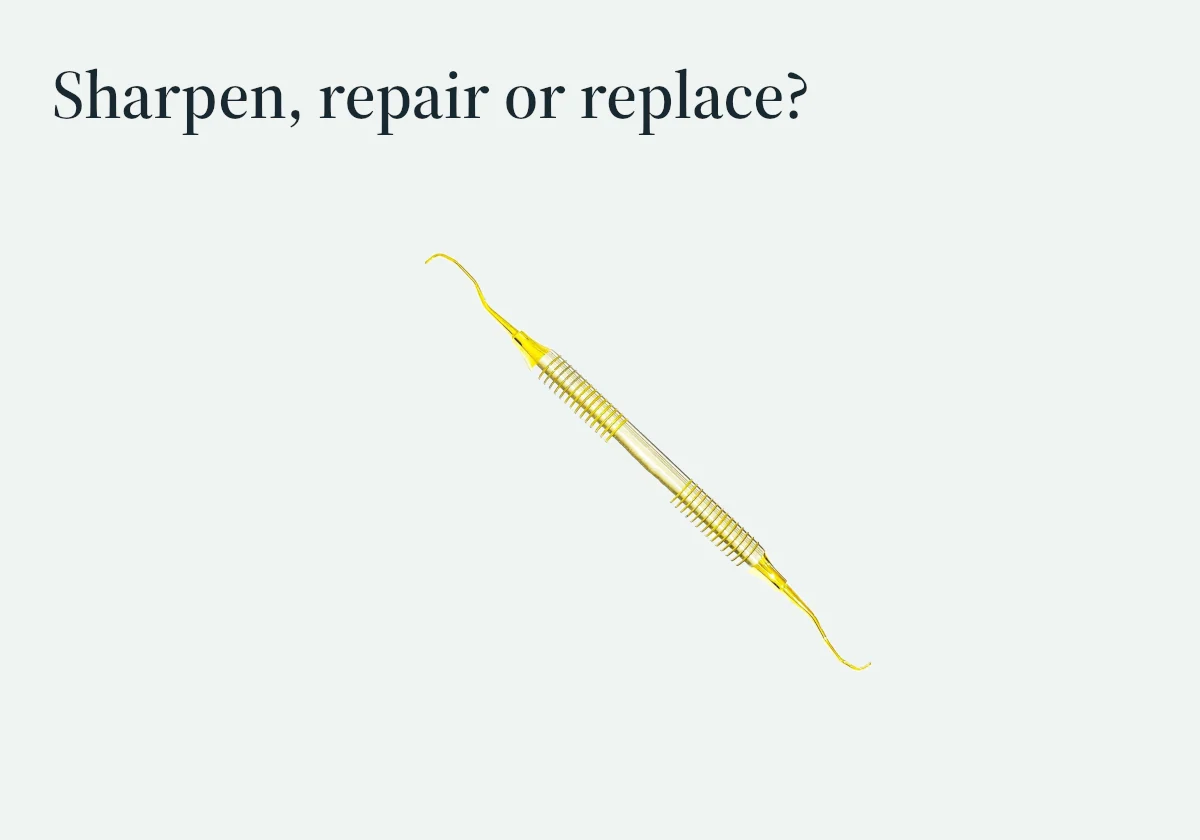
Dental Instrument Sharpening, Inspection and Replacement
Plan instrument maintenance with product-specific instructions: inspection, sharpening eligibility, specialist repair and replacement of worn or damaged instruments.
Read GuideBuying Guides Articles
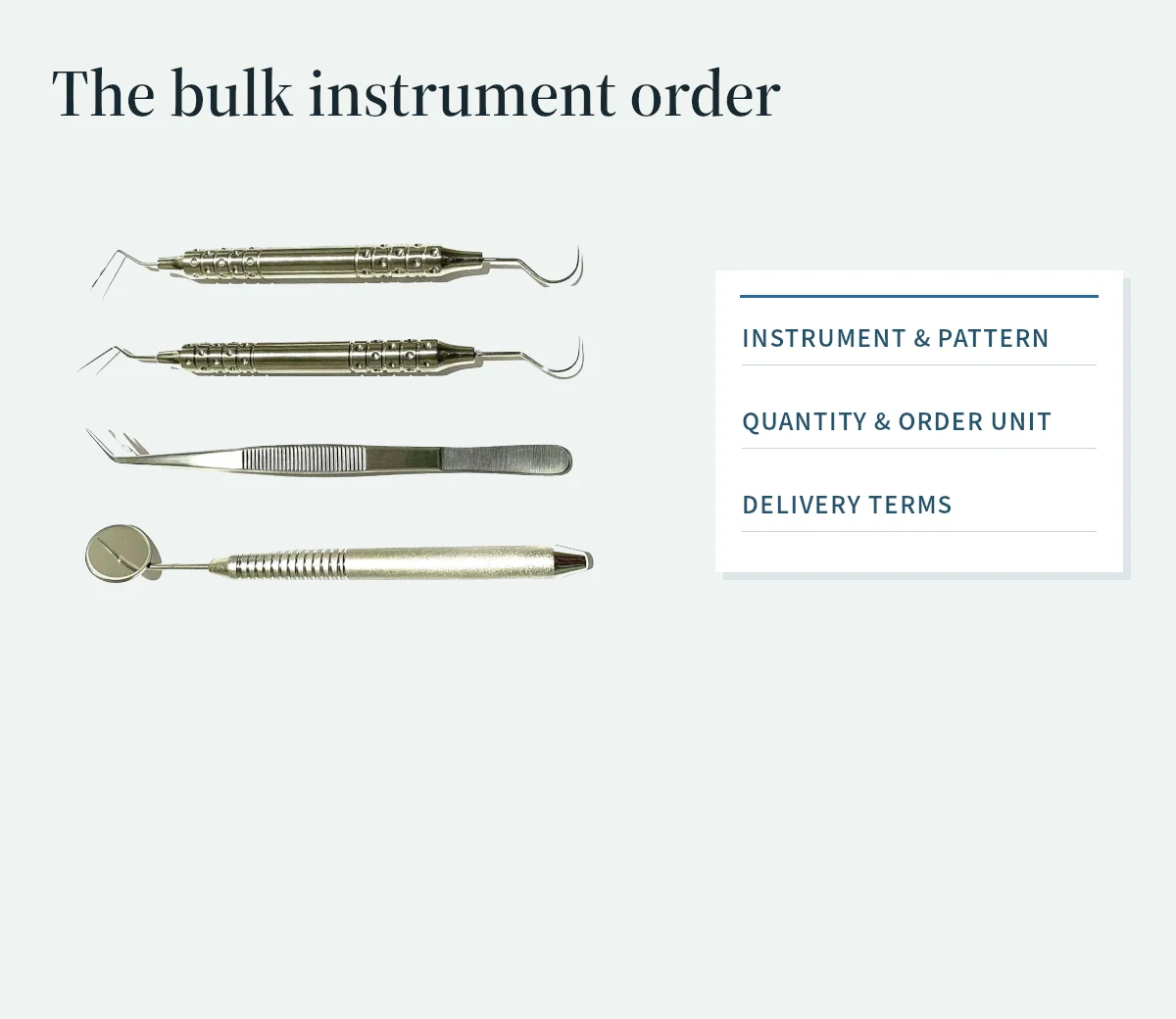
Wholesale Dental Instruments: The Ultimate Bulk Buying Guide
How to buy wholesale dental instruments: what wholesale means, how bulk pricing works, typical minimum order quantities, how to vet a supplier, the ordering process, and custom branding options.
Read Article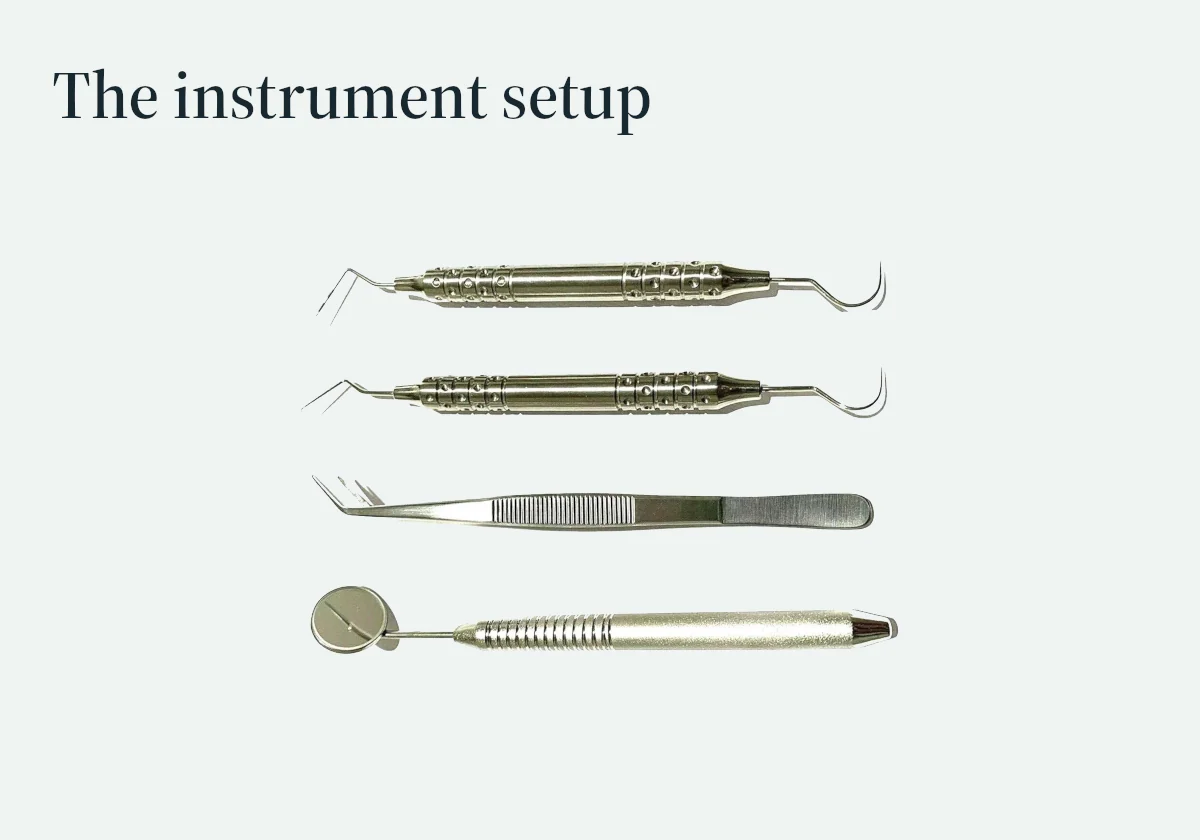
The Complete Dental Practice Instrument Checklist for New Dentists
A complete dental practice instrument checklist for new dentists, organized by procedure — diagnostic, restorative, periodontal, surgical, and endodontic — with recommended quantities, costs, and a startup budget estimate.
Read ArticleDiagnostic Instruments Articles
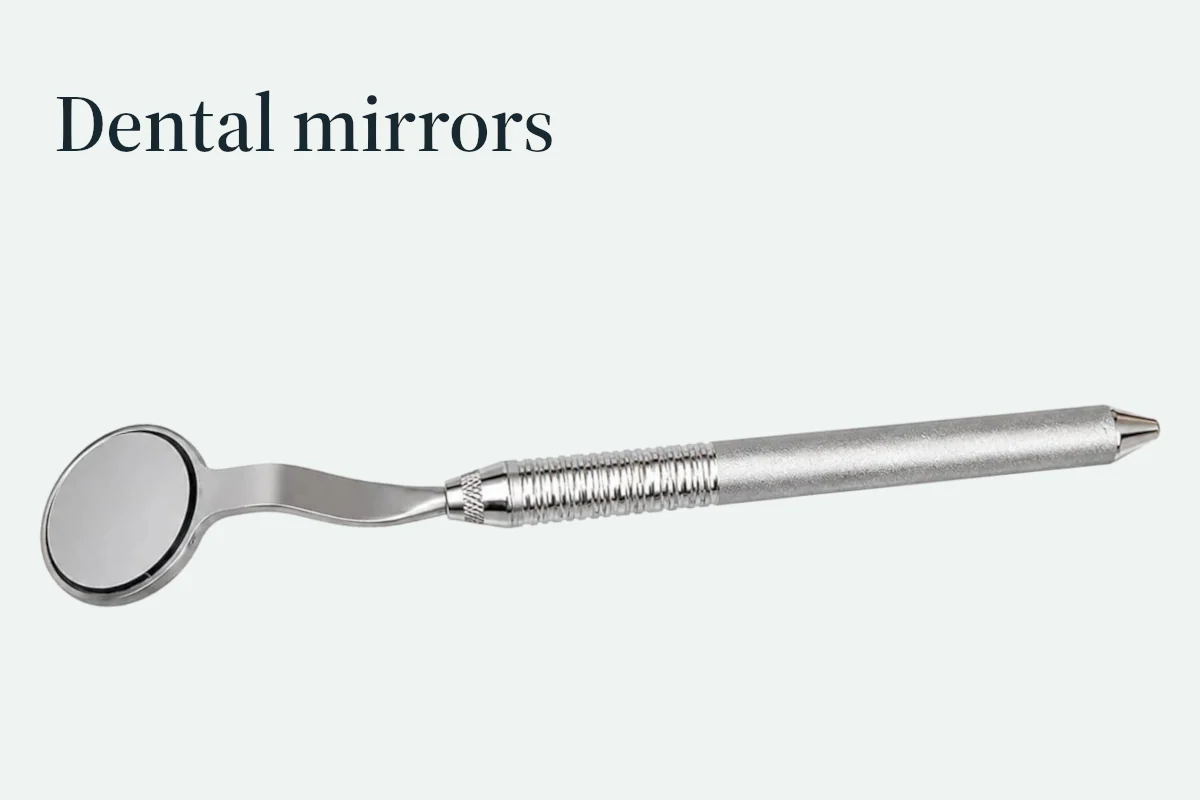
Endodontic Instruments Articles
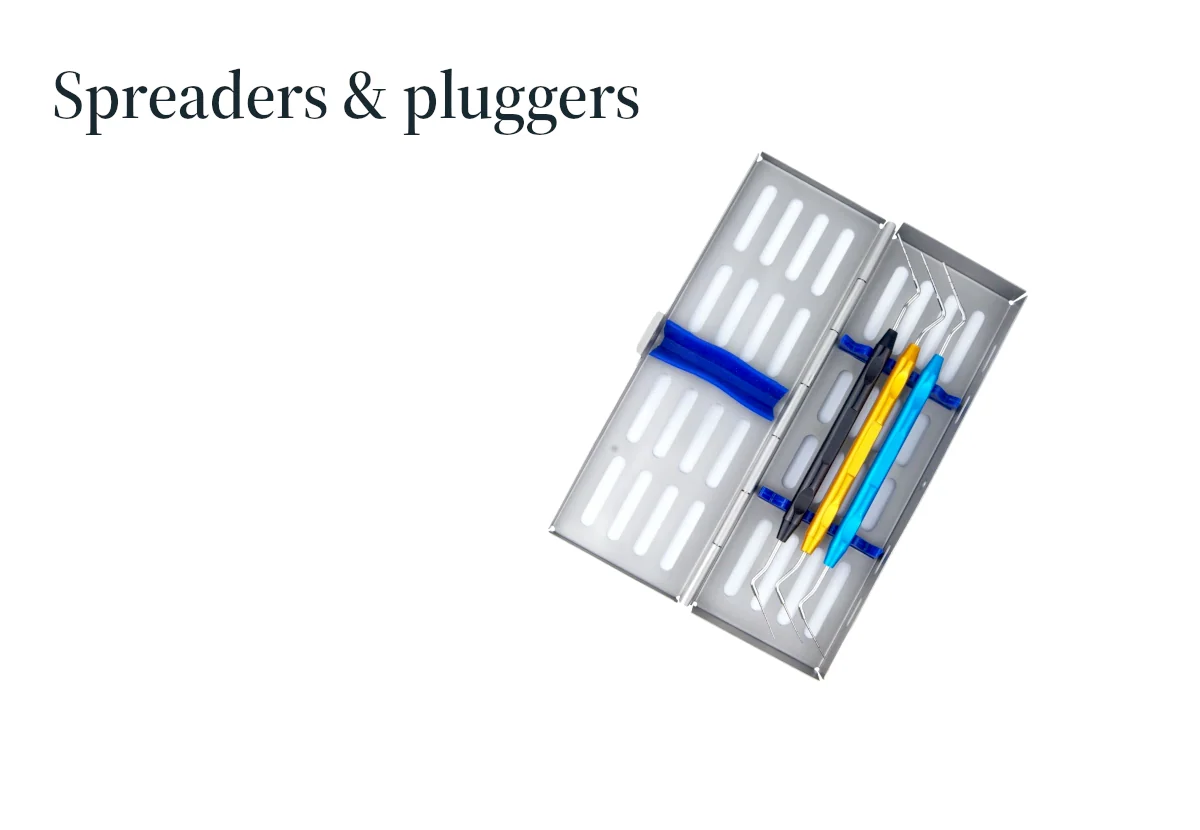
Endodontic Spreaders and Pluggers: Selection Guide
Endodontic spreaders vs pluggers for obturation: spreaders create lateral space for accessory cones in lateral compaction, pluggers compact gutta-percha vertically in warm techniques. How to select by technique, taper, depth, and canal curvature.
Read Article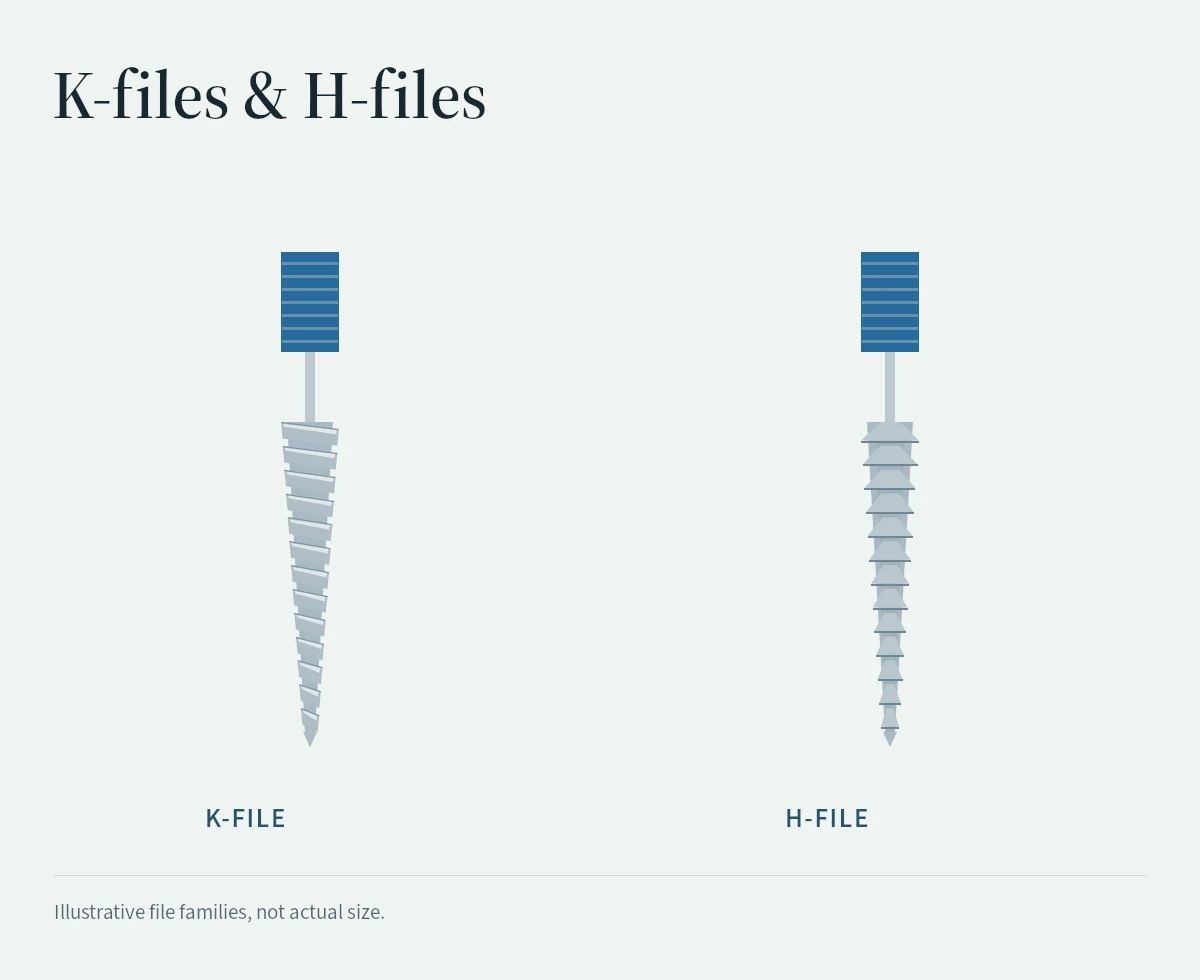
K-Files vs H-Files: Key Differences for Root Canal Treatment
K-files vs H-files compared for root canal treatment: how each is manufactured, cutting action, when to use K-files for negotiation and glide path, when to use H-files for pull-stroke cutting and retreatment, and how to select by anatomy.
Read ArticleExtraction & Surgical Articles
Instrument Care Articles
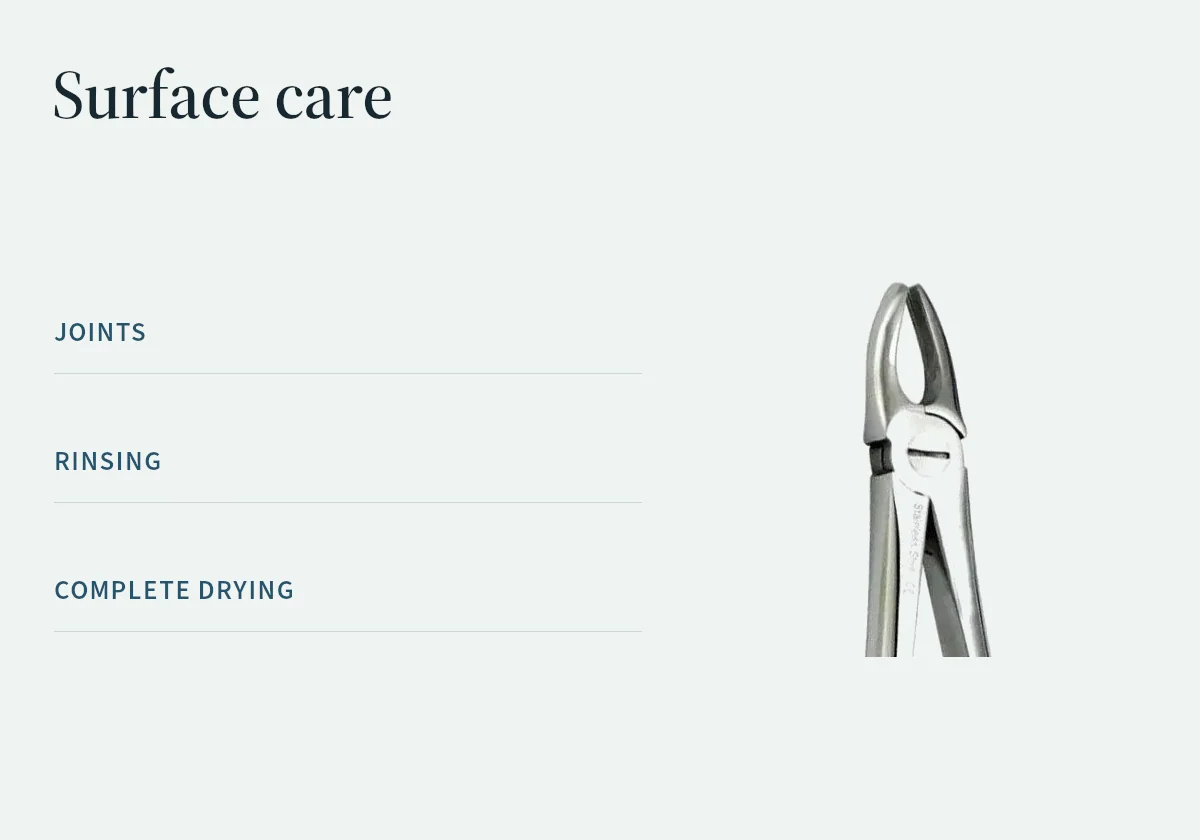
Preventing Corrosion on Stainless Steel Dental Instruments
How to prevent corrosion on stainless steel dental instruments: why the passive layer fails, the common causes (delayed cleaning, harsh chemicals, poor drying), a step-by-step prevention workflow, and what to do about rust and pitting.
Read ArticleDental Instrument Sterilization: Complete Autoclave Guide
The complete dental instrument sterilization workflow: transport, cleaning, drying, packaging, autoclaving, and monitoring — with autoclave cycle basics, CDC-aligned steps, and mechanical, chemical, and biological monitoring.
Read ArticleManufacturing & Trust Articles
Understanding ISO 13485 Certification for Dental Instruments
What ISO 13485 means for dental instruments: how it differs from ISO 9001, why it matters for medical-device quality, and how to verify a manufacturer’s certification before buying.
Read Article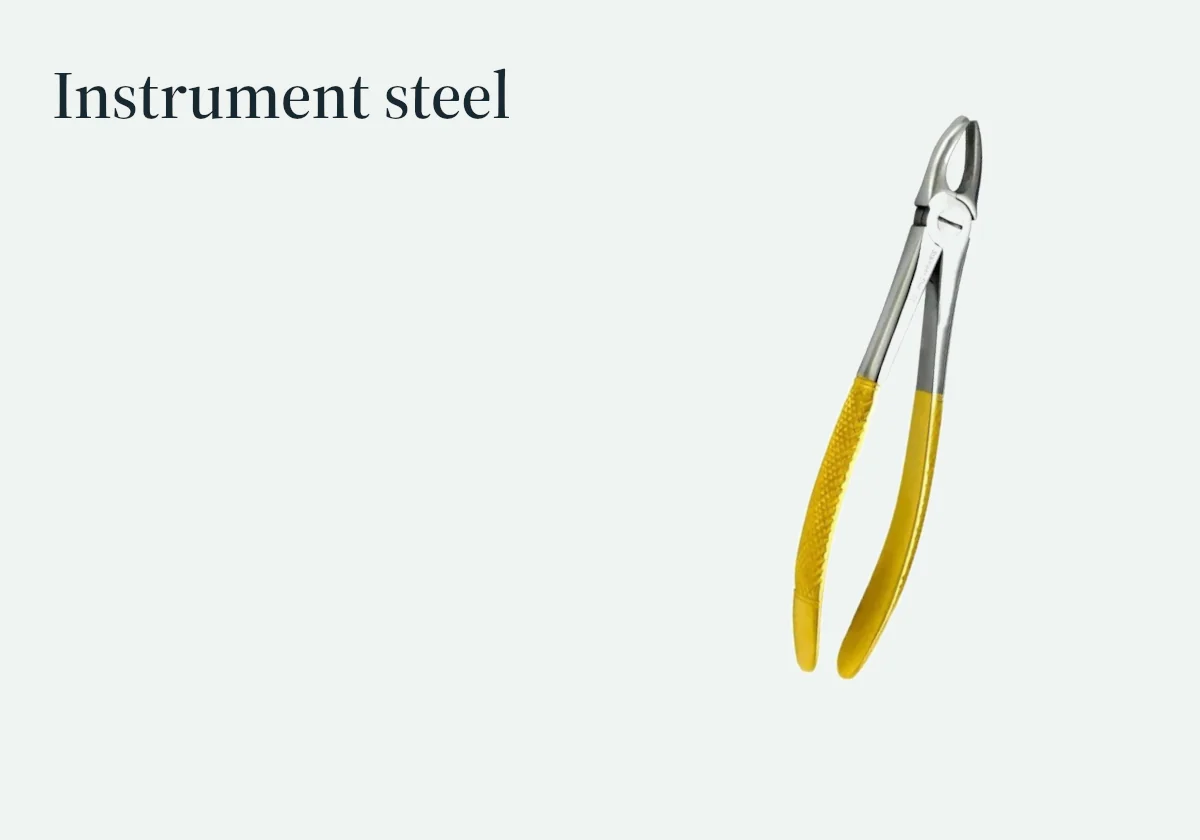
German Stainless Steel vs Japanese Steel in Dental Instruments
German vs Japanese stainless steel in dental instruments: how the two traditions differ in hardness, edge retention, and corrosion resistance, and which matters for forceps, scalers, and scissors.
Read Article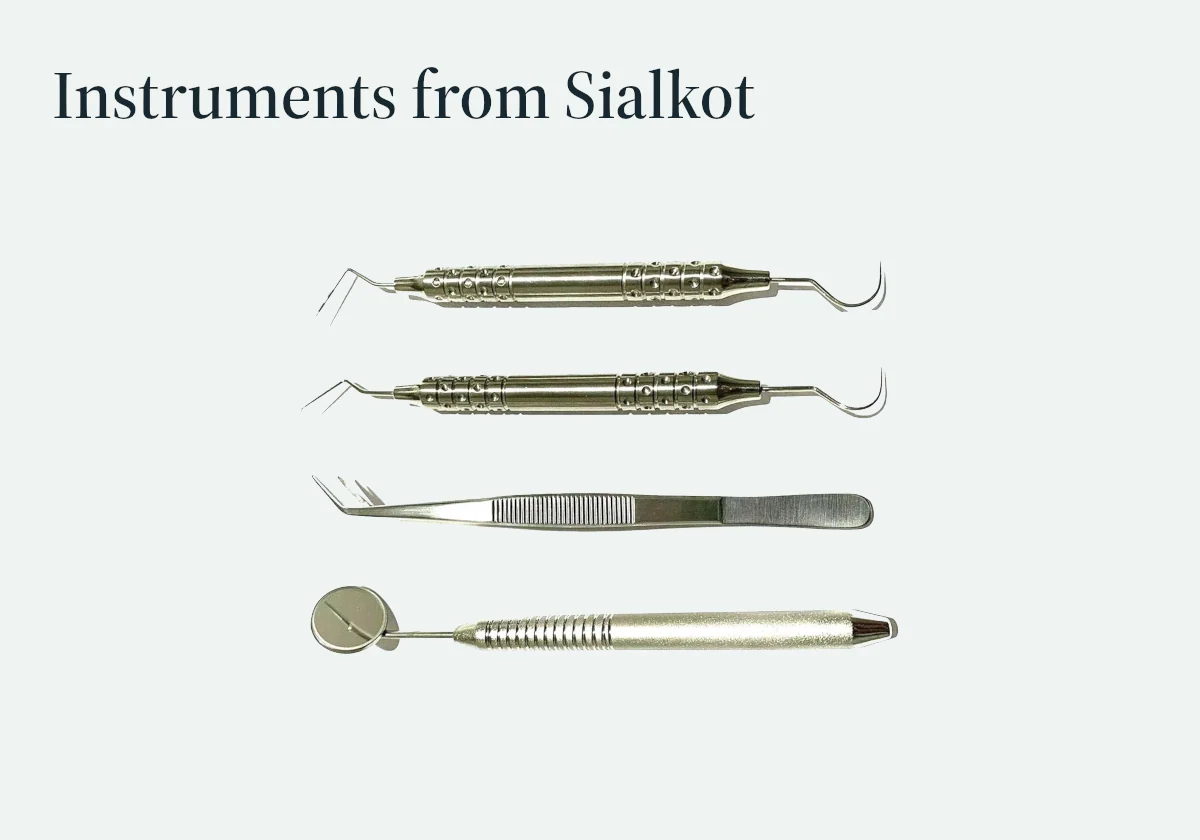
Sialkot: The World Capital of Surgical & Dental Instruments
Why Sialkot, Pakistan produces a large share of the world’s surgical and dental instruments: two centuries of hand-forging heritage, a dense supplier network, and the craftsmanship behind manufacturer-direct pricing.
Read Article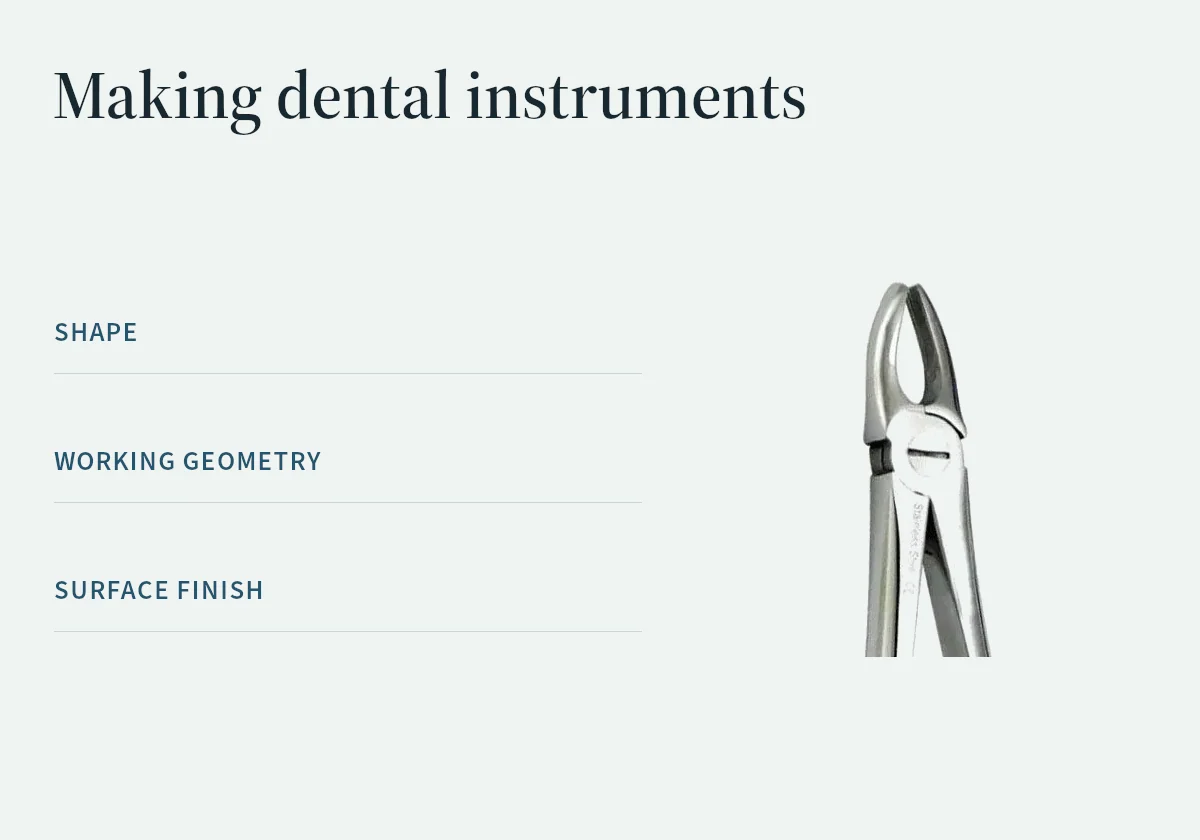
How Dental Instruments Are Made: From Raw Steel to Your Practice
How dental instruments are made, step by step: steel selection, hand forging, heat treatment, grinding, passivation, and the quality checks that separate a durable instrument from a disposable one.
Read ArticleOrthodontic Instruments Articles
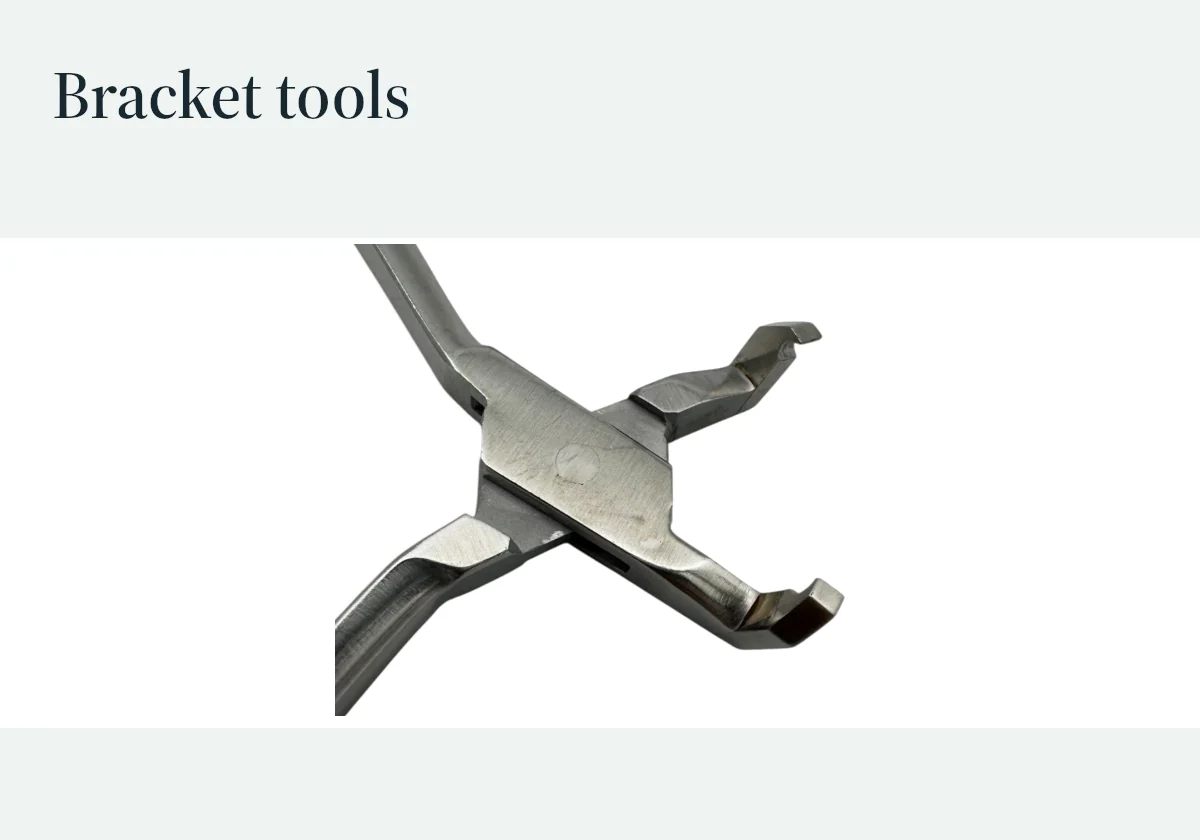
Bracket Placement and Removal Tools Guide
Orthodontic bracket placement and removal tools explained: holding tweezers, positioning gauges (Boone), pushers and flash removers for accurate bonding, plus debonding pliers and adhesive-removal burs that protect enamel.
Read Article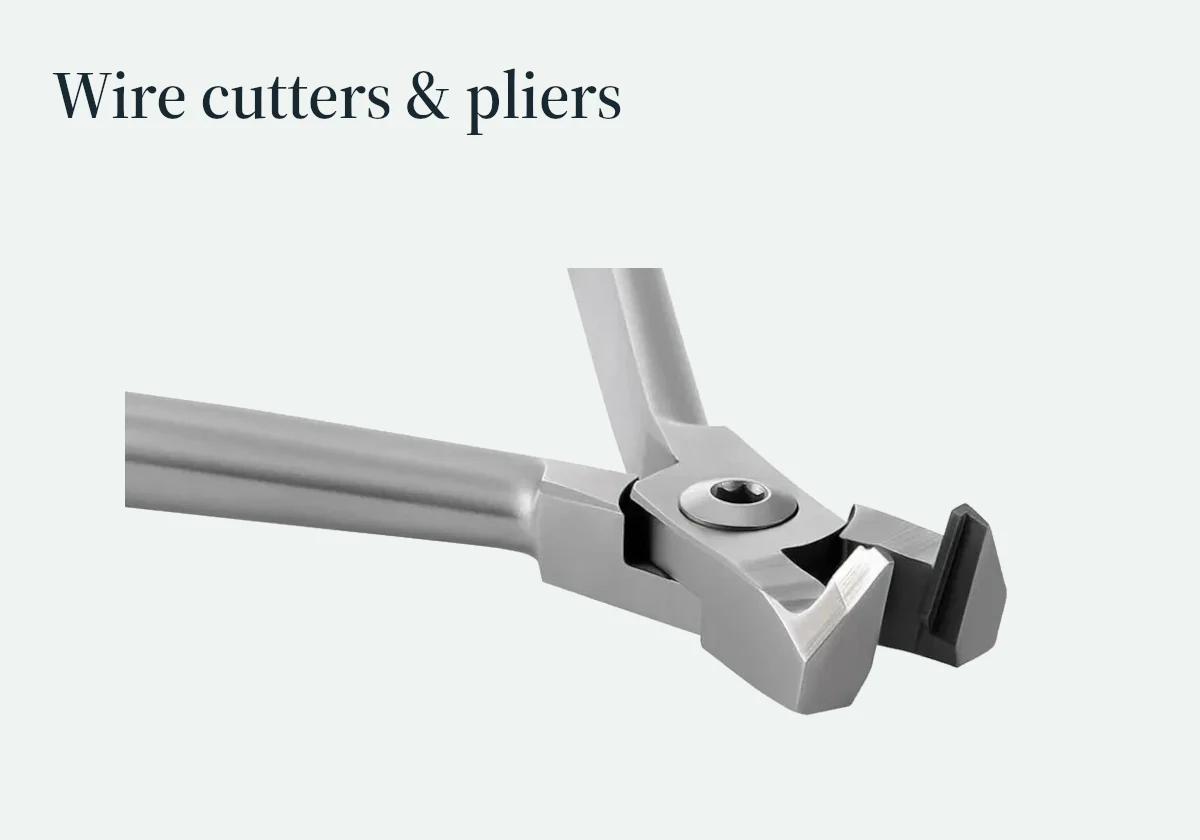
Orthodontic Wire Cutting and Bending Instruments Guide
How to choose orthodontic wire cutting and bending instruments: distal end, hard wire, and ligature cutters, bird beak, three-jaw, loop-forming, and torquing pliers, matched to wire size, alloy, and clinical task.
Read Article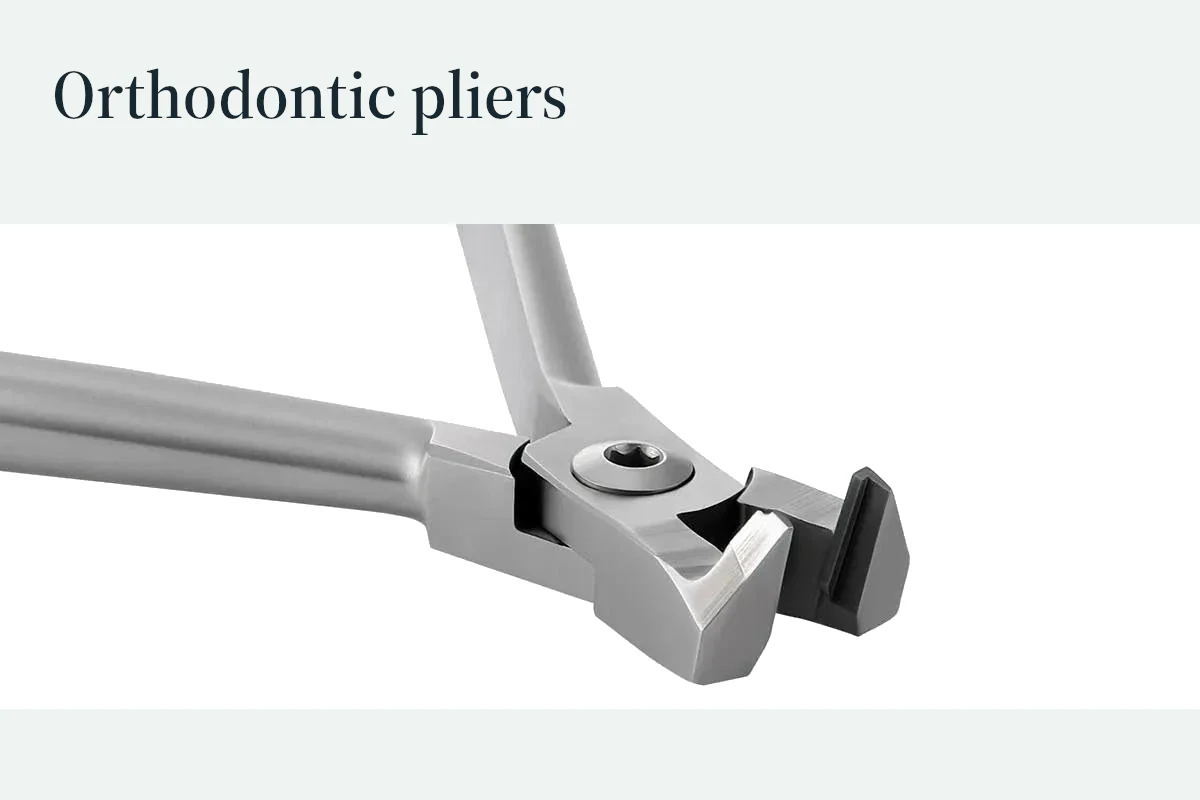
Essential Orthodontic Pliers Every Orthodontist Needs
The essential orthodontic pliers every practice needs — utility (Weingart, How, Mathieu), cutting (distal end, ligature, hard wire), bending and forming (bird beak, three-jaw, loop-forming, torquing), and removal pliers — with a selection reference.
Read ArticlePeriodontal Instruments Articles
Restorative & Prosthodontic Articles
Dental Impression Tray Selection: Complete Guide
How to select a dental impression tray: stock vs custom, metal vs plastic, perforated vs rim-lock, and matching the tray to alginate, VPS, or polyether — with a clinical fit checklist and selection by procedure.
Read Article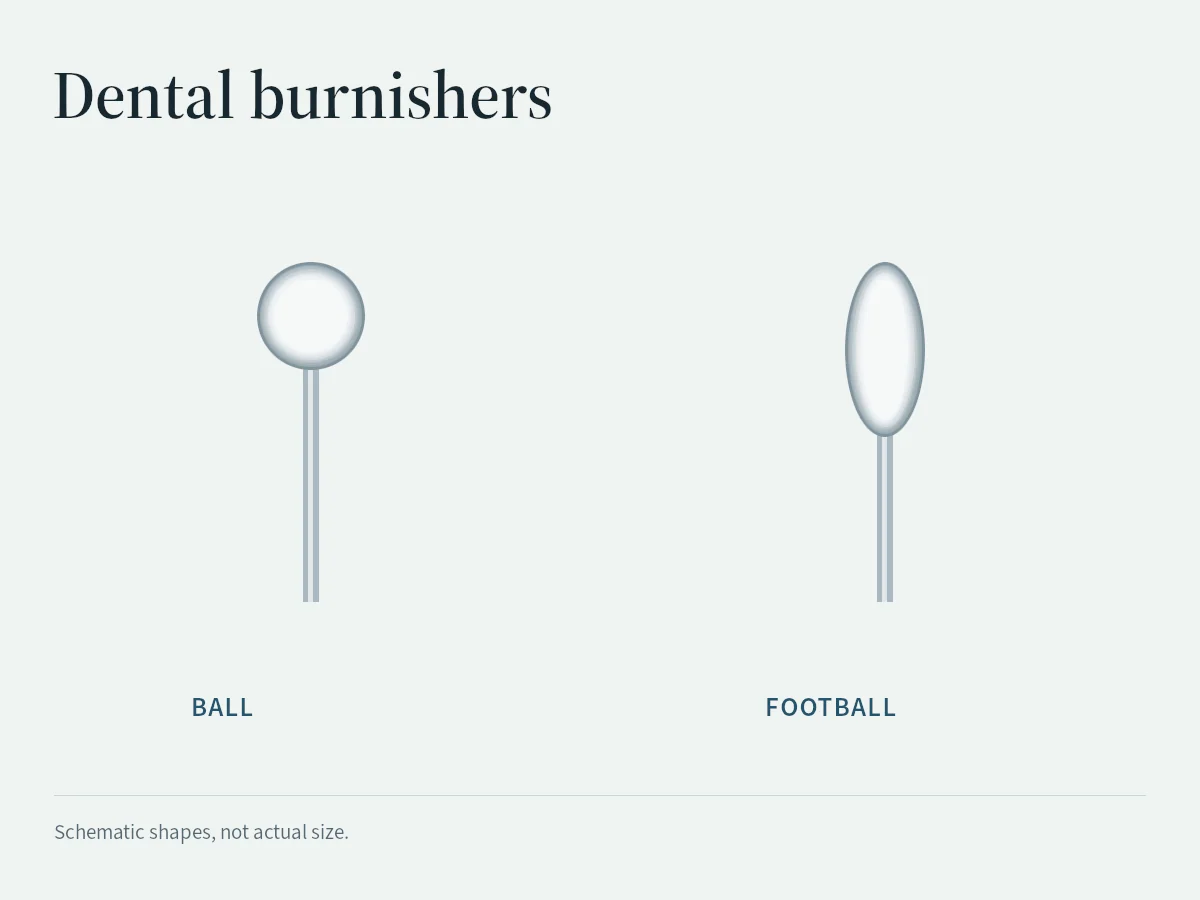
Dental Burnishers: Types, Uses & Selection
Dental burnisher types and how to select them: ball, football, acorn, T-ball, beavertail, and Woodson burnishers for smoothing and adapting amalgam, composite, and temporary restorations, plus matrix contouring.
Read ArticleBrowse Dental Instrument Categories
Ready to compare products? Explore instruments by procedure and request manufacturer-direct pricing.
Diagnostic Instruments
View CategoryExtraction Forceps
View CategoryDental Elevators
View CategoryPeriodontal Instruments
View CategoryOrthodontic Instruments
View CategorySurgical Instruments
View CategoryEndodontic Instruments
View CategoryRestorative Instruments
View CategoryProsthodontic Instruments
View CategoryDental Cassettes & Trays
View CategoryInstrument Kits
View CategoryDental Scissors
View CategoryDental Implant Instruments
View CategoryFrequently asked questions
Which guide should I use if I have an instrument photograph but do not know its name?
Start with the identification chart to narrow the instrument family by the working end. Then use the names-and-uses guide for vocabulary or a specialist guide for pattern differences. A photograph of both ends and any maker or reference marking is more useful than the handle alone.
Where should I go after identifying the instrument family?
Open the matching instrument category to compare the available product groups, then check the individual product's reference and configuration. The guides explain the distinctions; the product page and your quotation identify what you are ordering. For a mixed list, keep a separate name, reference and quantity on each line.
Do these guides replace the instructions supplied with an instrument?
No. Use the guides to understand names, comparison fields and what to ask before you buy. For care, maintenance and reprocessing, follow the instructions for your exact instrument and accessories. The cleaning guide explains why the instrument, equipment and packaging instructions need to be read together.
Know What You Need?
Send your instrument list, quantities and destination. We reply within 24 hours and prepare the quotation after reviewing your requirements.