Restorative Dental Instruments Products

5 products
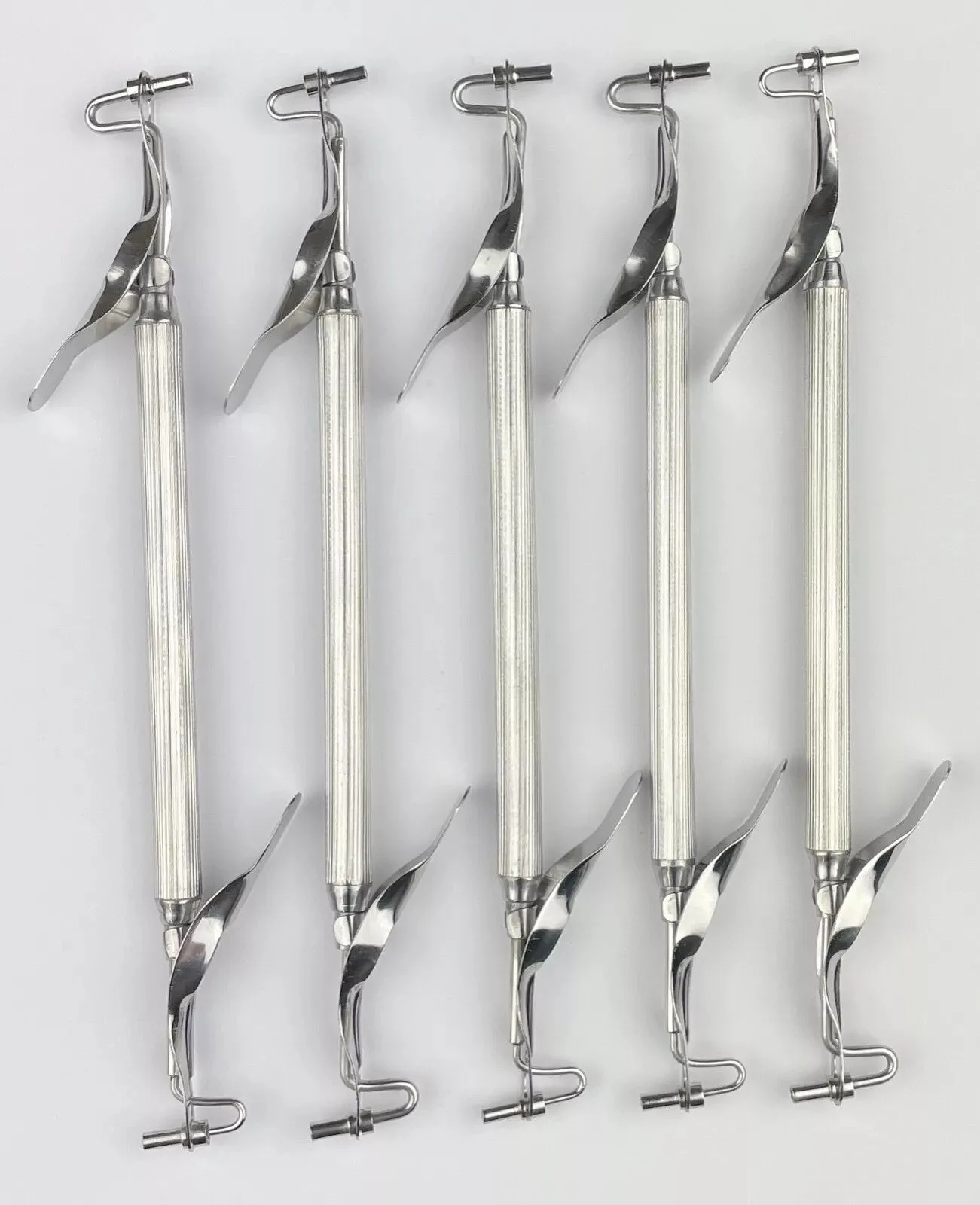
Double-ended amalgam carrier showing barrel and plunger details — view 1

Amalgam Carrier, Large Double-Ended

A large double-ended dental amalgam carrier for transferring and placing amalgam during restorative work. Each of its two working ends has a barrel and a lever-operated plunger.

Single piece $12.95
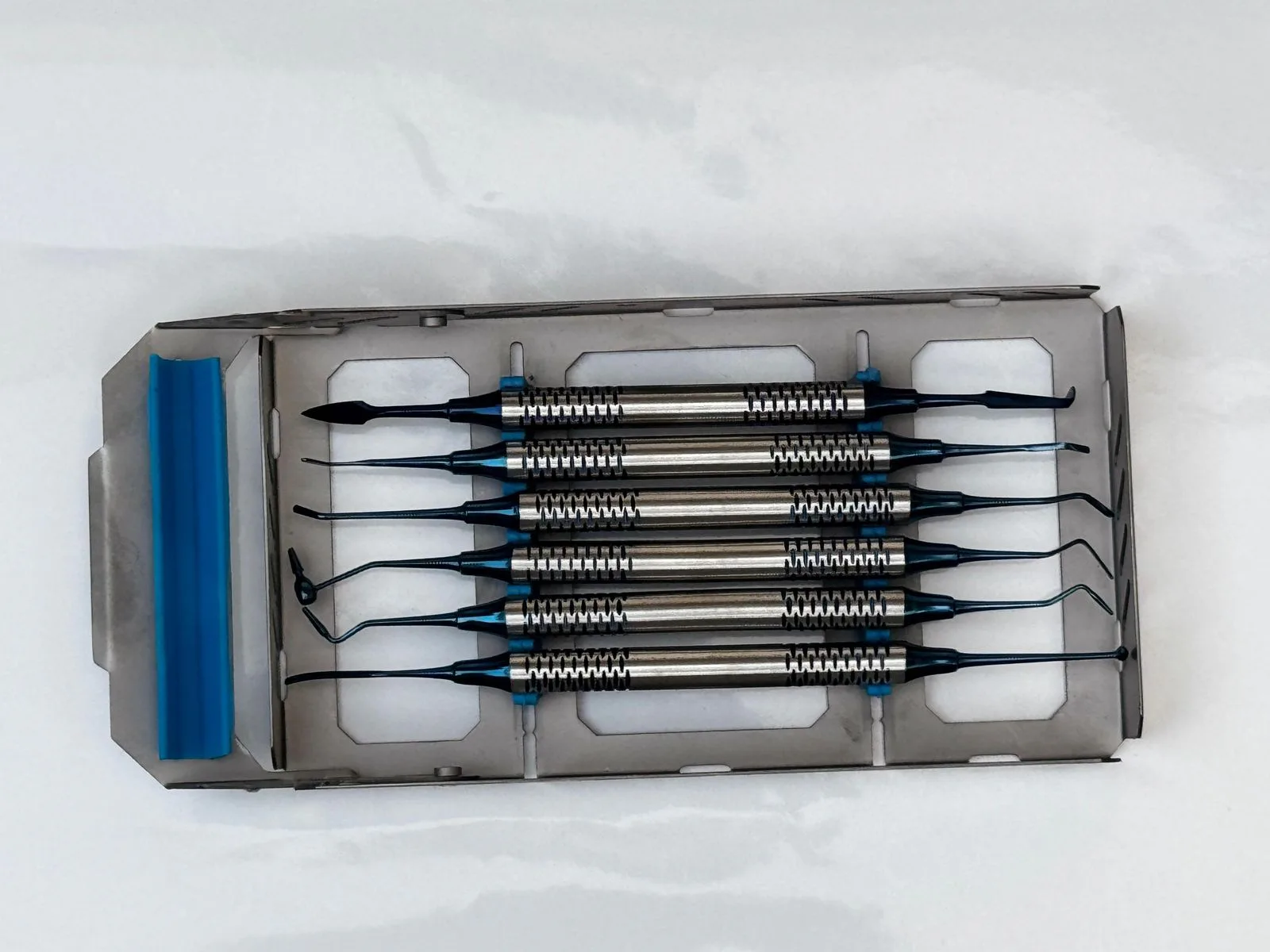
Six double-ended composite hand instruments in a blue-accented metal cassette — view 1

Double-Ended Composite Instrument Set, 6 Pieces

Set of six double-ended composite instruments, twelve working ends in all, for placing, packing and shaping composite, supplied in a matching metal cassette.

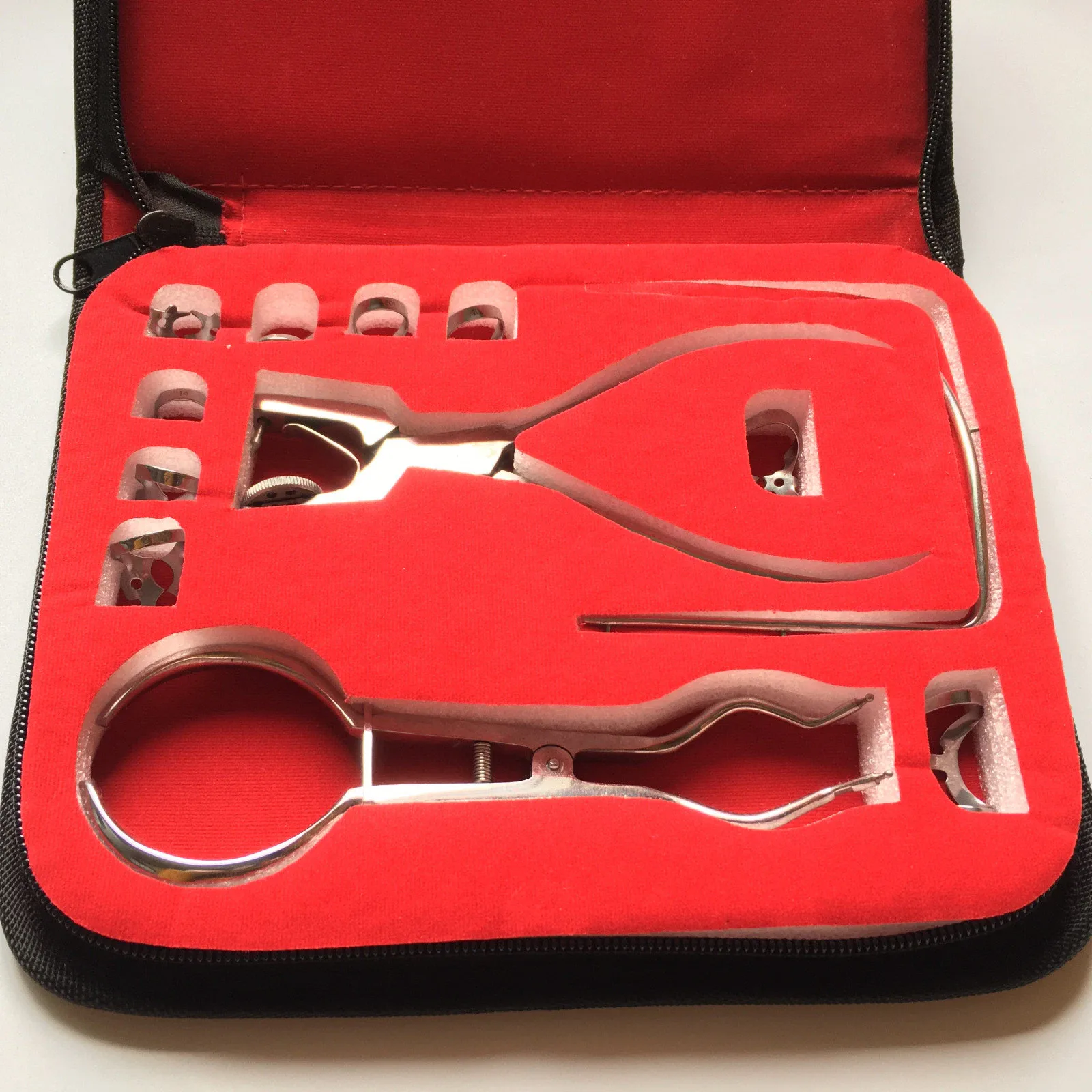
Dental rubber dam instruments

Rubber Dam Kit — Punch, Clamps and Forceps

Rubber dam kit of twelve instruments: nine clamps, one U-shaped frame, one rotary punch and one pair of clamp forceps. Medical Grade Stainless Steel Guaranteed High Quality Instrument both in Material & Function.

Request pricing
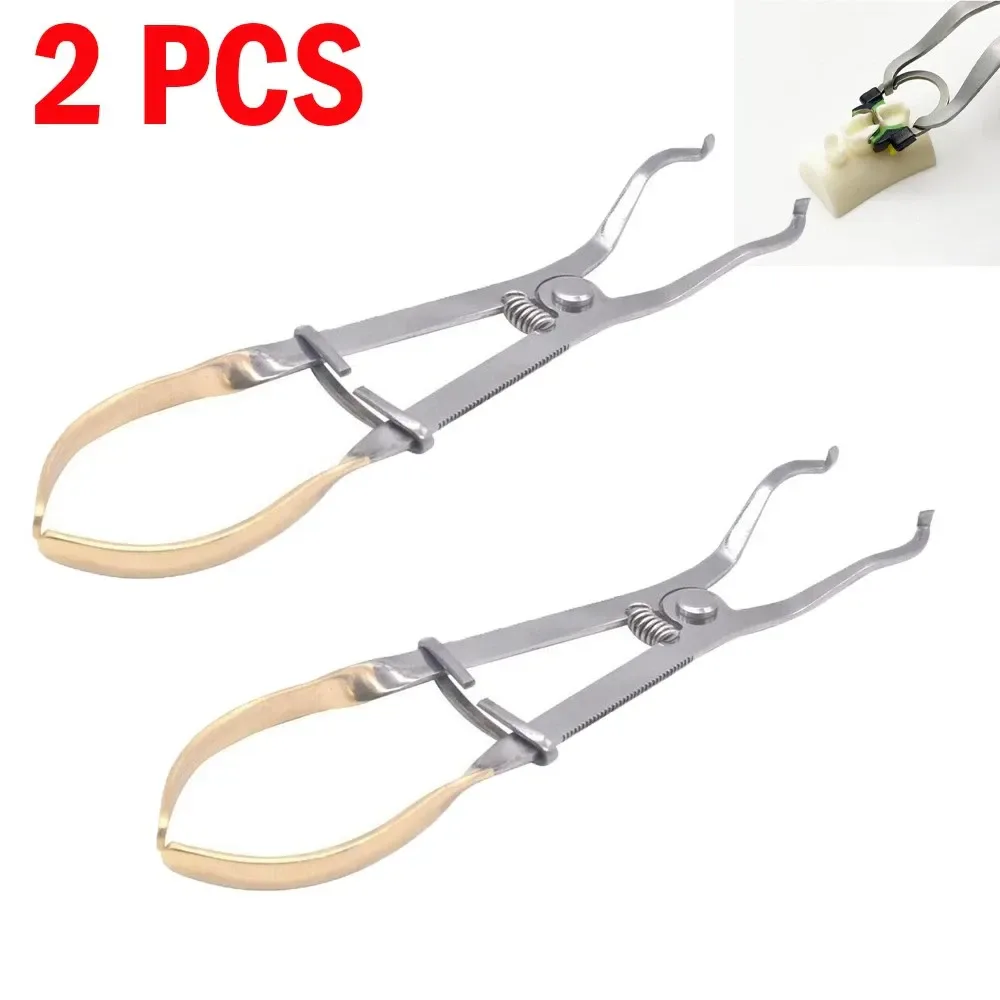
Spring-handle sectional matrix ring-placement forceps with angled working jaws

Sectional Matrix Ring-Placement Forceps

Sectional matrix ring-placement forceps with spring handles and angled jaws, for opening a separating ring and seating it over the matrix and wedge. Rings are sold separately.

Single piece $21.95
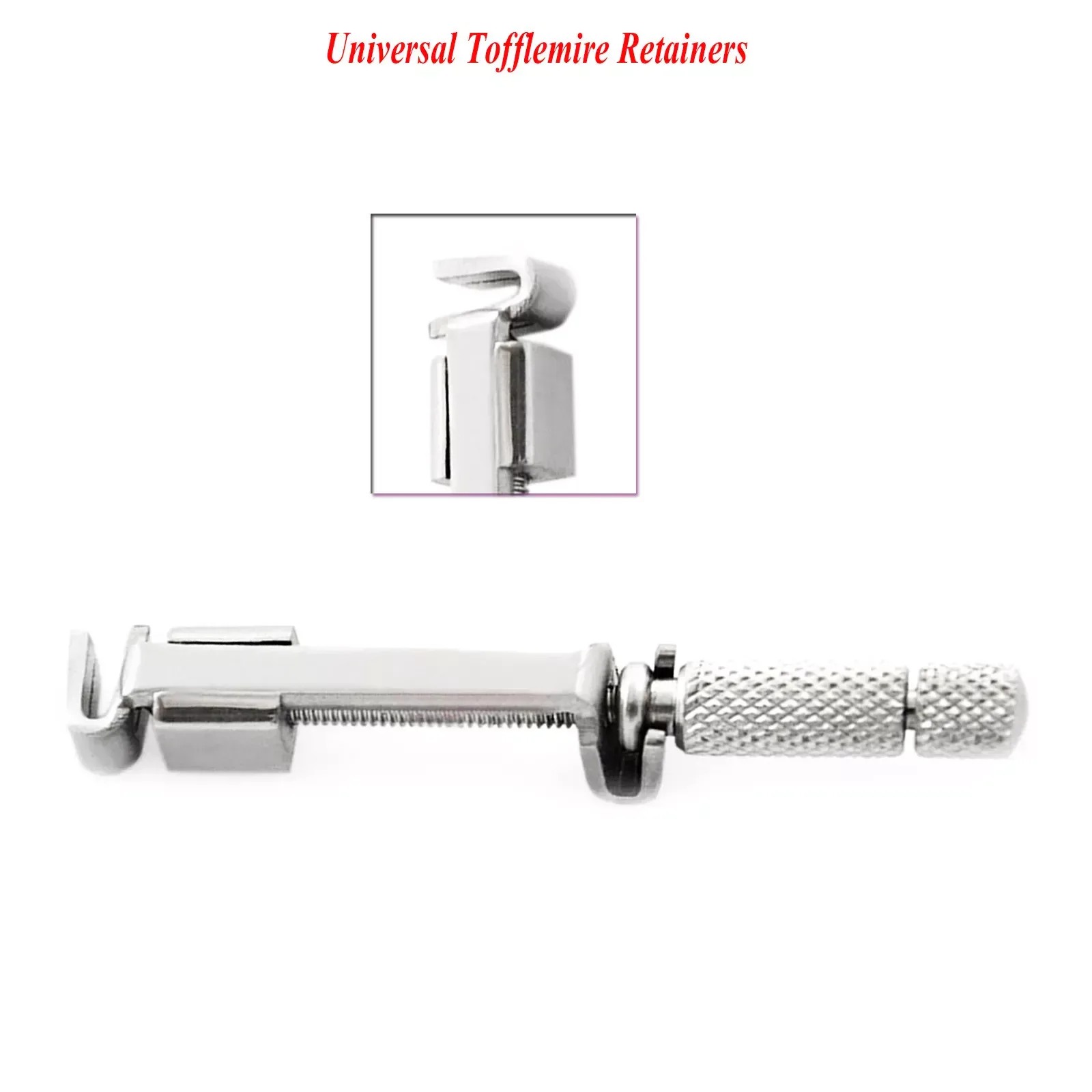
Tofflemire matrix retainer with screw-adjustment knobs and an enlarged view of the head

Tofflemire Matrix Retainers

Tofflemire matrix retainers with a slotted head and two adjustment knobs, for holding a matrix band around the tooth and tightening it during a filling. Matrix bands are sold separately.

Single piece $11.95

Restorative Dental Instruments Buying Specifications
SpecificationDetails
PlacementComposite and filling instruments, flat plastics, carriers, and applicators by working-end form
CondensingCondensers and pluggers by tip diameter, shape, angle, end configuration, and handle
Contouring and finishingCarvers and burnishers by named pattern, ball or blade geometry, and dimensions
PreparationCavity-preparation instruments by pattern, cutting end, size, shank, and handle
Order detailsProduct family, figure, working-end dimensions, handle, finish, quantity, packaging, and destination

How to Choose Restorative Dental Instruments

Choose the Instrument by the Material-Handling Step

A restorative tray moves through several distinct tasks. Carriers transfer material. Placement instruments position and shape it. Condensers and pluggers compact it. Carvers define contours and anatomy. Burnishers smooth or adapt a surface. Cavity-preparation instruments form another group with their own cutting ends. Organizing the collection this way helps a buyer reach the correct product before comparing pattern names.

The same product name can cover several working ends, so the order must include the pattern or figure and dimensions. A request for a “filling instrument” should be clarified as composite placement, flat plastic, Dycal-type applicator, IPC-type pattern, amalgam carrier, condenser, burnisher, or carver only when that exact family is required and stocked.

  • Carry and place — Compare carrier mechanism or placement blade, working-end width, angle, coating where verified, and handle.
  • Condense and plug — Record tip diameter, round or shaped end, angle, single/double-ended form, and handle.
  • Carve and contour — Use the named pattern, blade shape, side, size, and handle rather than a generic carver label.
  • Burnish and finish — Compare ball, acorn, football, beavertail, or other stocked geometry by exact dimensions.

Restorative and Endodontic Pluggers Need Separate Identities

The word “plugger” is used for restorative and endodontic instruments, but their working ends, dimensions, and instrument families differ. Compare restorative condensers and pluggers within the material-placement workflow, and endodontic spreaders and pluggers within the obturation workflow.

If a buyer sends an existing reference, match the full product identity and measurements rather than selecting whichever page contains the same word. The confirmed family and specifications should control the match.

Compare Shape, Size, Angle, and Surface

A close-up view of each working end should support the product name. Record ball or tip diameter, blade width and length, curvature, shank angle, single- or double-ended design, and handle. When a coating or non-stick surface is available, identify it at variation level and link the relevant evidence. Do not turn a finish used on one product into a claim for the entire category.

For hinged carriers, include the delivery tip, mechanism, action, overall length, and replacement or cleaning considerations. For hand instruments, show both ends separately when they differ. Buyers comparing a mixed private-label range need enough information to repeat the same geometry after the first order.

Build a Restorative Set from Named Products

A general restorative set may combine examination, placement, condensing, carving, burnishing, and finishing instruments, but its contents should never be inferred from the phrase “restorative kit.” Send the exact patterns, quantities, handles, and cassette requirement. A school list should remain attached to the quotation and approved sample schedule.

Individual products are better for replacements and specialist patterns. A grouped product with multiple variations is useful when comparing the same commercial family across working ends. Open the chosen product to confirm the exact variation, dimensions, and order data.

Quote and Evidence Checklist

For every line, provide the family, pattern or figure, working-end dimensions, single- or double-ended configuration, handle, verified finish or coating requirement, quantity, packaging, branding, and destination. If an approved sample controls the order, identify it clearly and retain the same reference for reorders.

Manufacturer-direct supply can include available material and finish declarations, quality information, product marking, packaging, and export documentation. Cleaning, inspection, packaging, and sterilization follow the exact instrument instructions and the healthcare facility protocol.

For a private-label range, specify which features belong on the instrument, primary pack, and outer carton. Keep finish or coating requirements tied to the exact variation. When a school or distributor approves a sample, its working-end measurements and handle should remain part of the controlled reorder specification.

A quotation can combine restorative families, but each one remains identifiable by task and geometry. Separate carriers, condensers, pluggers, burnishers, carvers, and cavity-preparation instruments into clear lines so quantities, working ends, finishes, and replacement needs can be reviewed independently.

Restorative Dental Instruments FAQ

How do I compare placement instruments, condensers, carvers and burnishers?

Group them by material-handling task and working-end form. Placement instruments carry or adapt material, condensers compact it, carvers have shaping edges, and burnishers have smoothing or adapting forms. Match the exact pattern requested by the clinical team; these functional groups help organize the buying list rather than prescribe a restorative technique.

Can a carver and a burnisher have overlapping functions?

Yes. A single named instrument can combine functions: one maker describes its universal carver as shaping filling material and removing soft excess, and its burnisher-plugger as combining plugging, polishing and shaping. Compare the exact working ends and the documented purpose instead of assigning every instrument one exclusive role.

What does a coated composite-instrument description establish?

It identifies a stated surface treatment for a particular configuration. Base material, coating identity and any demonstrated performance are separate specifications. Compare the working-end geometry first, then use the exact manufacturer's evidence for a coating claim. A color or coated label alone does not establish the same surface properties across products.

How should a restorative condenser be matched to an existing tray?

Record the full pattern, tip shape and diameter, working-end angle, single- or double-ended arrangement and handle. Use measured tip views or a drawing alongside the existing reference. Overall length and a plugger label alone can hide differences at the ends, which are usually the main matching features.

Where should I compare instruments for mixing dental cement?

Use the Dental Spatulas collection for cement-mixing and separating-spatula comparisons. Keep blade width, length, rigidity and end configuration with the selected reference. Mixing equipment and intraoral placement instruments have different comparison fields, even when both are used with restorative materials. The material manufacturer's instructions guide the required mixing equipment.

Need Restorative Instruments in Bulk?

Send your instrument list and quantities for manufacturer-direct pricing, custom branding, or mixed-category quotes.

WhatsApp