About Dental Articulators
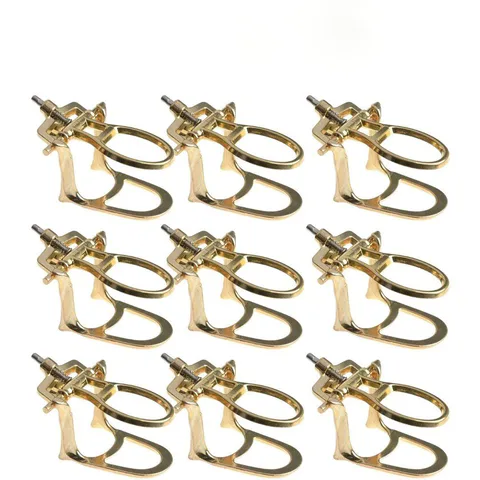
An articulator holds the upper and lower casts in their bite relationship so that crowns, bridges, dentures and appliances can be made and checked outside the mouth. Articulators differ in how much of the jaw's movement they can reproduce. We offer four types.
The four types
- Simple hinge: opens and closes around one axis. Suitable for simple single-unit work and study models where side-to-side movement is not needed.
- Mean-value: built with fixed average jaw settings, so it reproduces typical movements without individual measurements.
- Semi-adjustable: accepts settings taken from the patient, so it reproduces that patient's movements more closely for more complex work.
- Magnetic mounting: uses magnetic mounting plates so casts can be taken off and put back on quickly.
Choosing an articulator
Choose by the work you do. Simple and mean-value articulators suit routine and teaching work; a semi-adjustable articulator suits cases where individual jaw movement matters. Mounting plates may not fit between different models, so if you use existing plates, send their dimensions and we confirm the fit.
Ordering
- Choose each type by product code.
- We confirm the model, its settings and the mounting plates included in your quotation.
- Evaluation samples are available for laboratories standardising on one model.
Care
Keep the adjustment screws and hinge clean and free of plaster, and check that the frame closes accurately before mounting casts.
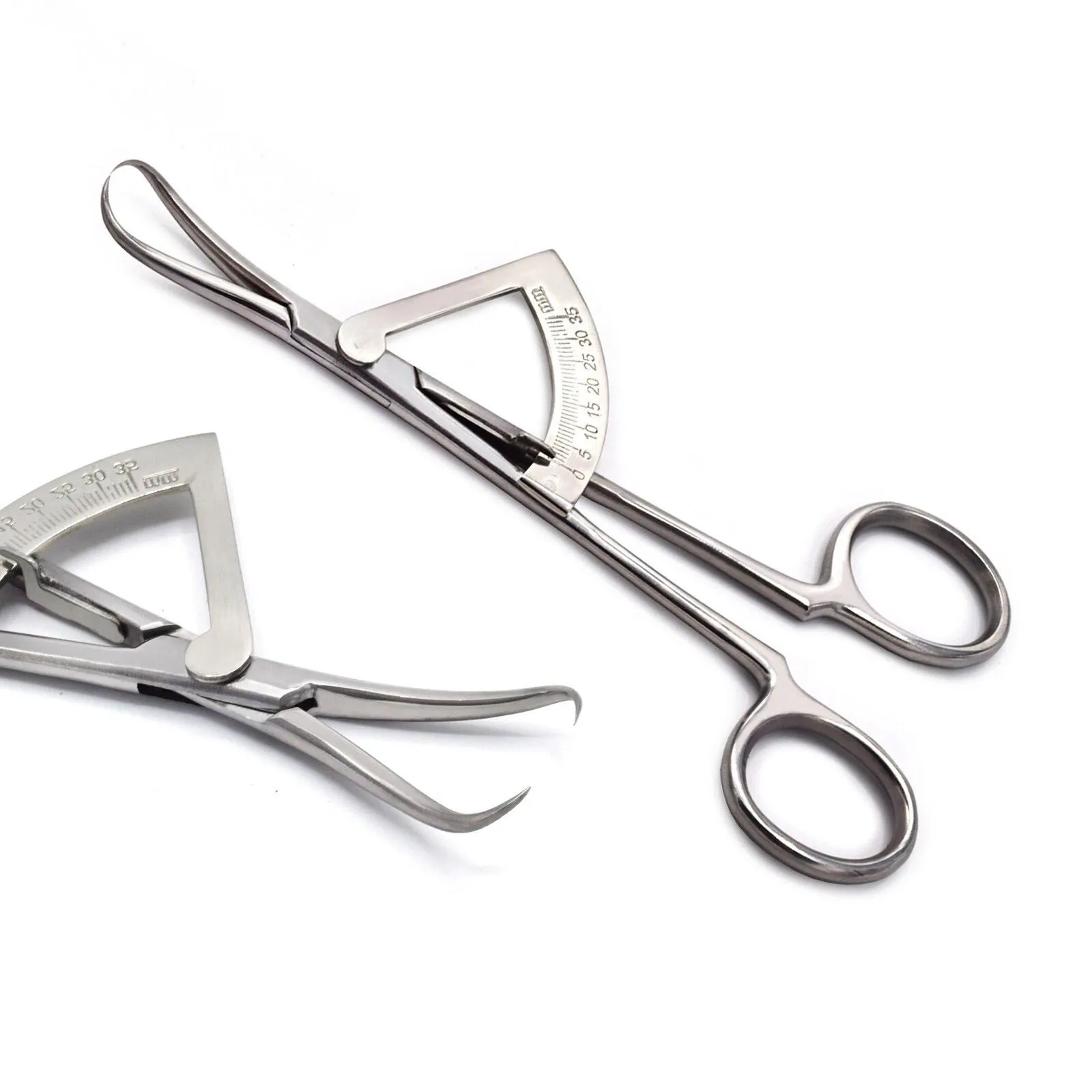
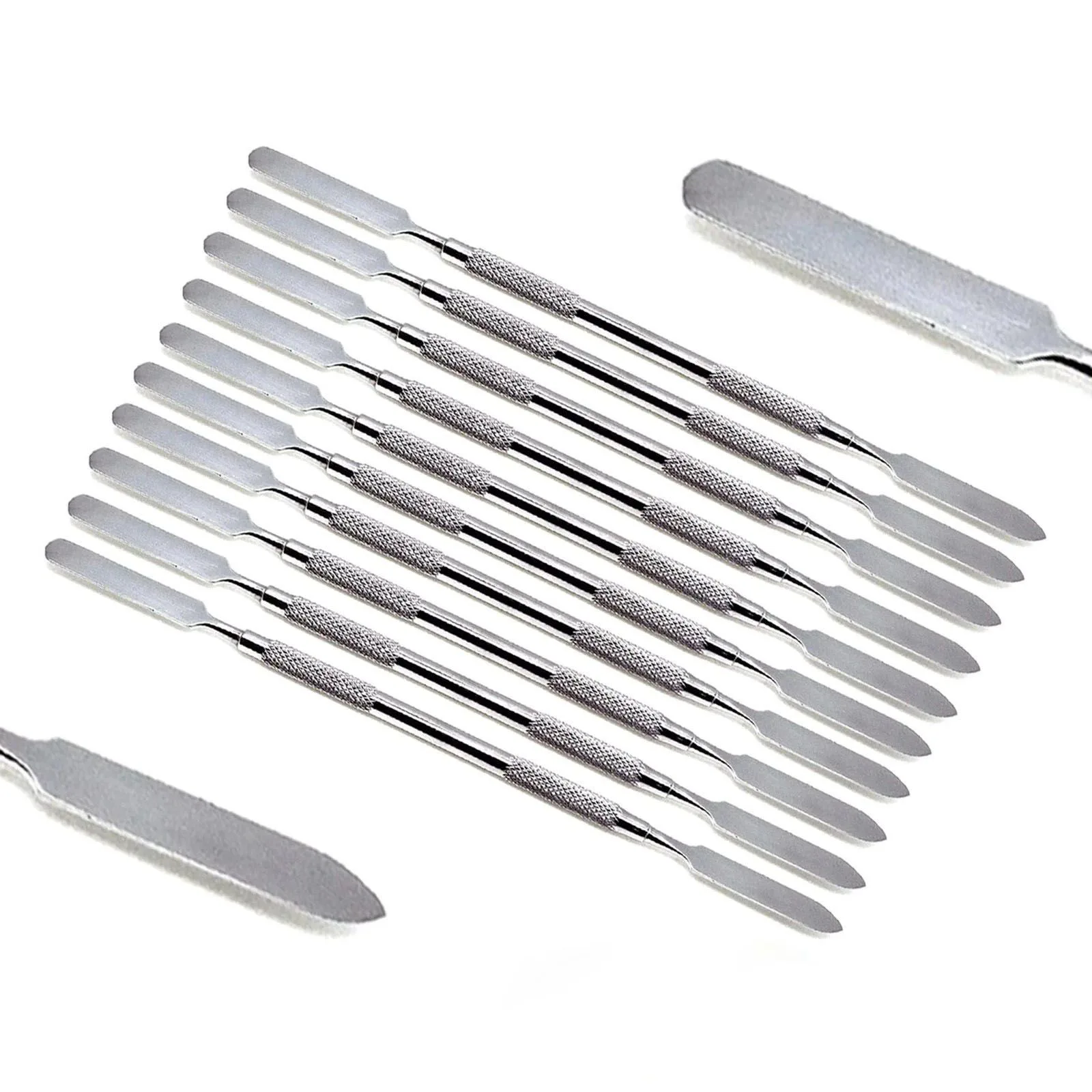
For other laboratory instruments, see our impression trays, dental calipers and cement spatulas.