Spatulas & Bowls

Dental Cement Spatulas

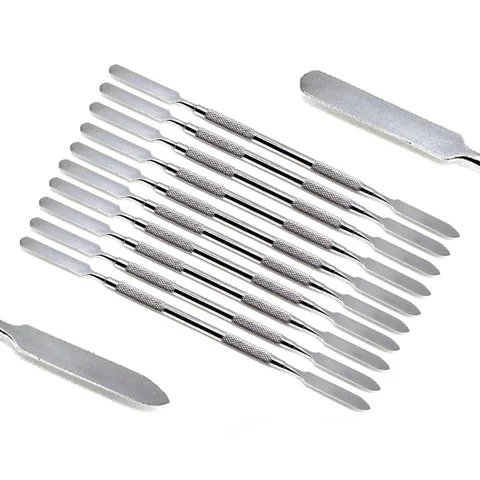
Double-ended dental cement spatulas with flat, stiff blades for mixing cements, liners and bases on a pad or glass slab. Choose single figures from 00 to 4, or a 10-piece set.

Select an option to see its details and include it in your quote.

Listed pricing
Set $15.00
In stock. Final price depends on the selected configuration and order requirements.
Choose an option8 available

Pick an option to add it to your quote request, or compare every option below.

Product code
DIS-VAR-0061
Material
Stainless steel; grade confirmed for the selected figure
Finish
Satin or mirror polish, confirmed in your quotation
Size
Figures 00 to 4
Options
8 available
MOQ
confirmed with your quote

Courier delivery. We ship through DHL, FedEx or another available courier, depending on your destination. We confirm the courier, shipping cost and estimated delivery time with your order. Shipping details

About Dental Cement Spatulas

A cement spatula mixes dental cements, liners and bases on a mixing pad or glass slab. Its flat, stiff blade presses and folds thick material into a smooth, even mix without bending. Ours are double-ended, so each spatula has two blade sizes.

Choosing a figure

The figures, from 00 to 4, differ in blade length and width. Smaller blades suit small quantities such as a liner; larger blades suit bigger mixes. Fig. 1 and Fig. 2 each have two product codes, so if you are reordering, use the code from your previous order so you receive the same spatula.

The 10-piece set

A set of ten spatulas lets you keep a spatula at each chair or mixing station. Tell us which figures you want in the set and we confirm it in your quotation.

Stiff or flexible?

Cement spatulas are stiff for thick mixes. For thin materials that need a flexible blade, tell us what you mix and we suggest a suitable spatula.

Ordering

  • Order single figures by product code or the 10-piece set.
  • Evaluation samples of 1–3 pieces per pattern are available.

Care

Clean cement off the blade straight after mixing, before it sets. Follow the supplied processing instructions and your facility's validated protocol.

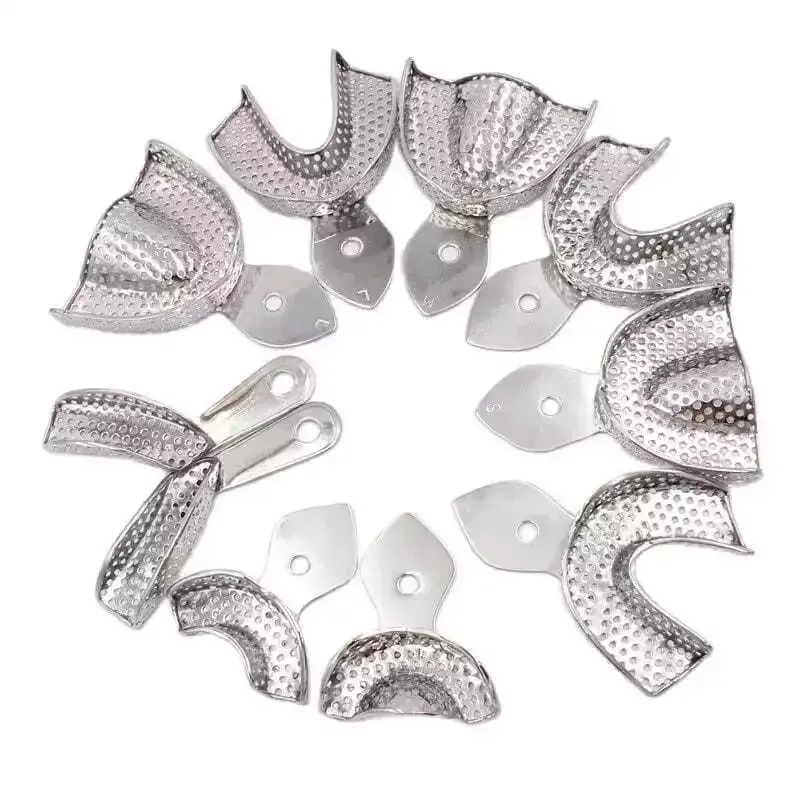
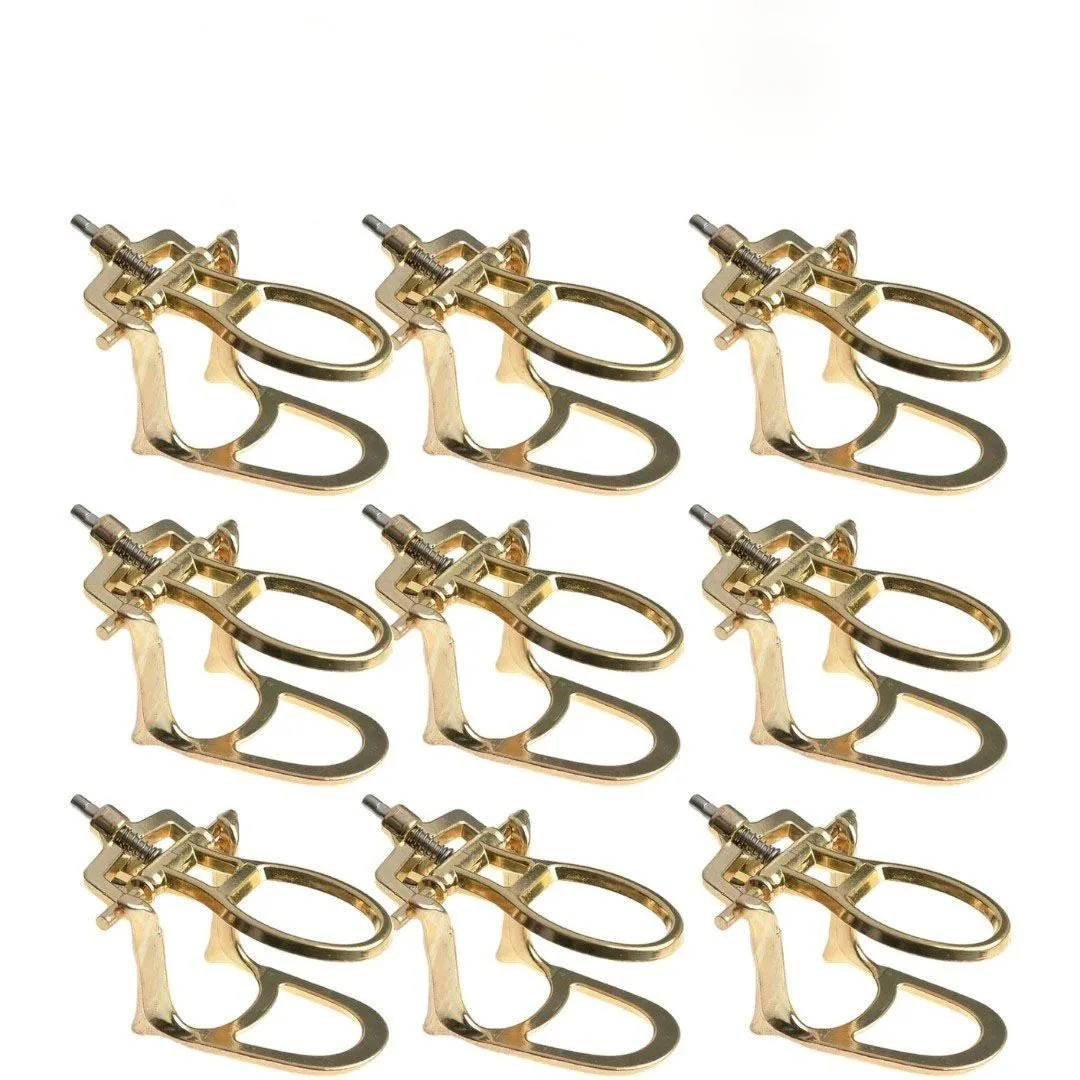
For other laboratory and prosthodontic instruments, see our dental articulators and impression trays.
Available Options

Compare the product code and attributes before requesting a quote. Choose an exact option whenever you are matching an existing order.

8 options
OptionProduct codeAttributesPricingRequest quote
Fig. 1 (SKU DIS-CAT-0591)DIS-CAT-0591Pattern: Fig. 1Set $15.00Select for Quote
Fig. 2 (SKU DIS-CAT-0592)DIS-CAT-0592Pattern: Fig. 2Set $15.00Select for Quote
Fig. 00DIS-CAT-0593Pattern: Fig. 00Set $15.00Select for Quote
Fig. 0DIS-CAT-0594Pattern: Fig. 0Set $15.00Select for Quote
Fig. 1 (SKU DIS-CAT-0595)DIS-CAT-0595Pattern: Fig. 1Set $15.00Select for Quote
Fig. 2 (SKU DIS-CAT-0596)DIS-CAT-0596Pattern: Fig. 2Set $15.00Select for Quote
Fig. 3DIS-CAT-0597Pattern: Fig. 3Set $15.00Select for Quote
Fig. 4DIS-CAT-0598Pattern: Fig. 4Set $15.00Select for Quote
Have experience with Dental Cement Spatulas?Share verified buyer or evaluator feedback. It takes about a minute.

Dental Cement Spatulas Questions

What is a dental cement spatula used for?

A dental cement spatula is a hand instrument for combining and spreading a dental material on its specified mixing surface, and its flat blade is the working face for that task. Choose the mixing instrument and surface the particular material's instructions call for; the category name alone does not establish suitability for every cement formulation.

How is a double-ended cement spatula counted?

A double-ended spatula is one complete instrument with a blade at each end of a central handle. The two working ends can be compared individually for shape and dimensions, so count complete instruments separately from working ends when you check an itemized purchase list.

Does a cement-spatula figure number tell me the blade width?

No. A figure number identifies a pattern within one supplier's range, while blade width, outline and length are separate dimensions that describe the actual working face. Match a figure reference to its documented blade details when you replace a spatula; a higher figure number alone does not establish a wider blade.

Why compare blade rigidity as well as the number of working ends?

End count describes the instrument's layout, while rigidity describes how the blade responds as a working part, and manufacturers offer cement-spatula references with different rigidity and blade forms. Compare the blade behavior, width and outline you need alongside single- or double-ended construction when you choose a replacement.

How does a cement-mixing spatula differ from a small cement placement instrument?

A flat mixing spatula provides a blade for combining material on a mixing surface, while a specialized placement instrument has its own working-end geometry for a different handling task; a miniature MTA spatula is one example. Compare the task and the end profile together instead of treating every instrument with the word "cement" in its name as the same tool.

WhatsApp