
Dental Surgical Retractors
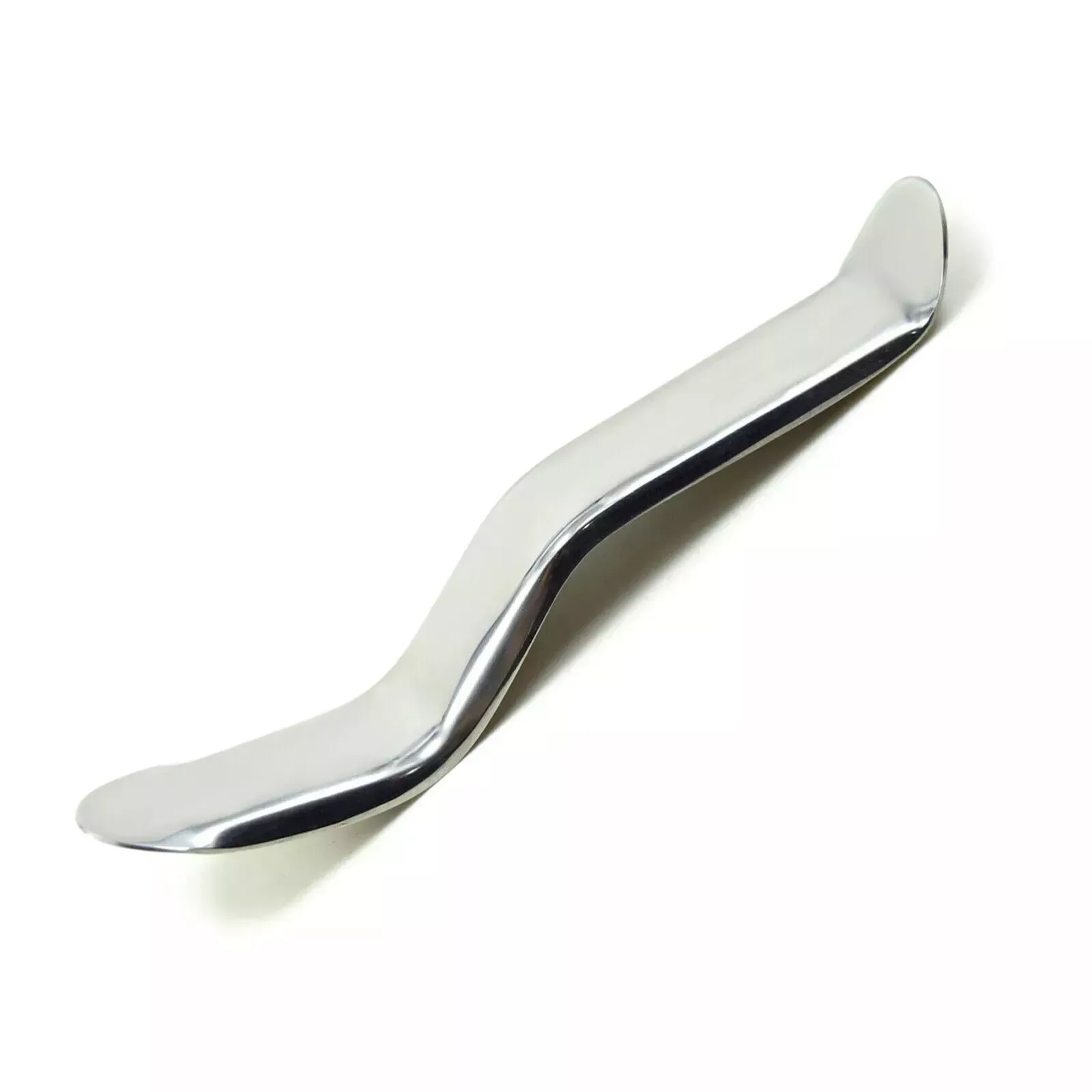
Dental Surgical Retractor Patterns
Dental surgical retractors for holding soft tissue away from the working area, in Minnesota, Austin, Weider (Sweetheart), Langenbeck and Farabeuf patterns.
Dental Surgical Retractors Selection Summary
| Specification | Details |
|---|---|
| Listed patterns | Minnesota; Austin; Weider (Sweetheart); Langenbeck; Farabeuf |
| Double-ended pattern | Farabeuf, with an L-shaped working end at each end |
| Order unit | Single retractor per product code; Farabeuf also listed as a pair |
| Matching fields | Pattern, blade face and profile, width, depth or height, angle, ends, handle, and overall length |
| Samples | 1–3 pieces per pattern |
Other Surgical Instruments Subcategories
Dental Surgical Retractors FAQ
Which retractors are listed on this page?
One grouped listing of Minnesota, Austin, Weider (Sweetheart), Langenbeck and Farabeuf retractors, ordered by pattern and product code, with the Farabeuf also listed as a pair. Seldin and other patterns are not listed as separate products here: send the exact reference and dimensions if you need one.
How do I compare Minnesota, Austin, Weider and other retractor patterns?
Compare the full named pattern, blade shape, width, curve or angle, and documented length. These fields identify the working end more clearly than the word retractor. Keep a reference for the selected configuration, especially when a similar handle appears across different patterns in a surgical assortment.
Does a double-ended retractor mean two separate retractors are supplied?
No. It describes two working ends on one complete instrument; a separately supplied pair needs its own itemized quantity or offer description. Record the actual configuration and the number of complete instruments so a double-ended pattern and a two-instrument pair stay distinct in set or quote comparisons.
Is a retractor the same as a mouth prop or mouth gag?
No. A retractor moves soft tissue, such as the cheek, lip or tongue, away from the working area, while a mouth gag or prop keeps the jaws apart. They are different instruments with different working ends, so list each on its own line.
Why is blade width not the same as instrument length?
Overall length measures the whole instrument, while blade width, and the depth or height of the blade, describe the working end that contacts the tissue. Two retractors with the same pattern and length can differ in those dimensions, so compare both, and for a double-ended pattern compare both ends.
Which measurements help match a retractor already in a tray?
Include the full pattern or reference, overall length and the relevant blade width, length, curvature or angle from its specification. Provide blade-face and side-profile views as well. These details distinguish the working end from the grip and make the proposed replacement easier to compare with the accepted instrument.
What reference should I quote for a retractor?
Quote the pattern name, the product code you selected and the working-end dimensions that matter to you. Each retractor is ordered by product code, so the code, rather than the pattern name alone, shows which model the quotation covers. For a Farabeuf, say whether you need a single instrument or a pair.
Is a Seldin retractor automatically the same as a Seldin root elevator?
No. A shared pattern name can appear in different instrument families, and the selected working end defines the actual item. Preserve the full instrument class and reference when ordering, and compare the documented identity and geometry with your requirement before treating a retractor listing as a root-elevator substitute.
How should retractors be recorded in a mixed surgical set?
List each complete retractor by pattern, configuration and quantity, and distinguish separate instruments from additional ends on one handle. Compare that schedule with the set contents rather than adding together every function mentioned in the title. One multifunction instrument should retain one identity and its documented quantity.
Need Dental Surgical Retractors in Bulk?
Send your instrument list and quantities for manufacturer-direct pricing, custom branding, or mixed-category quotes.