
Periosteal Elevators
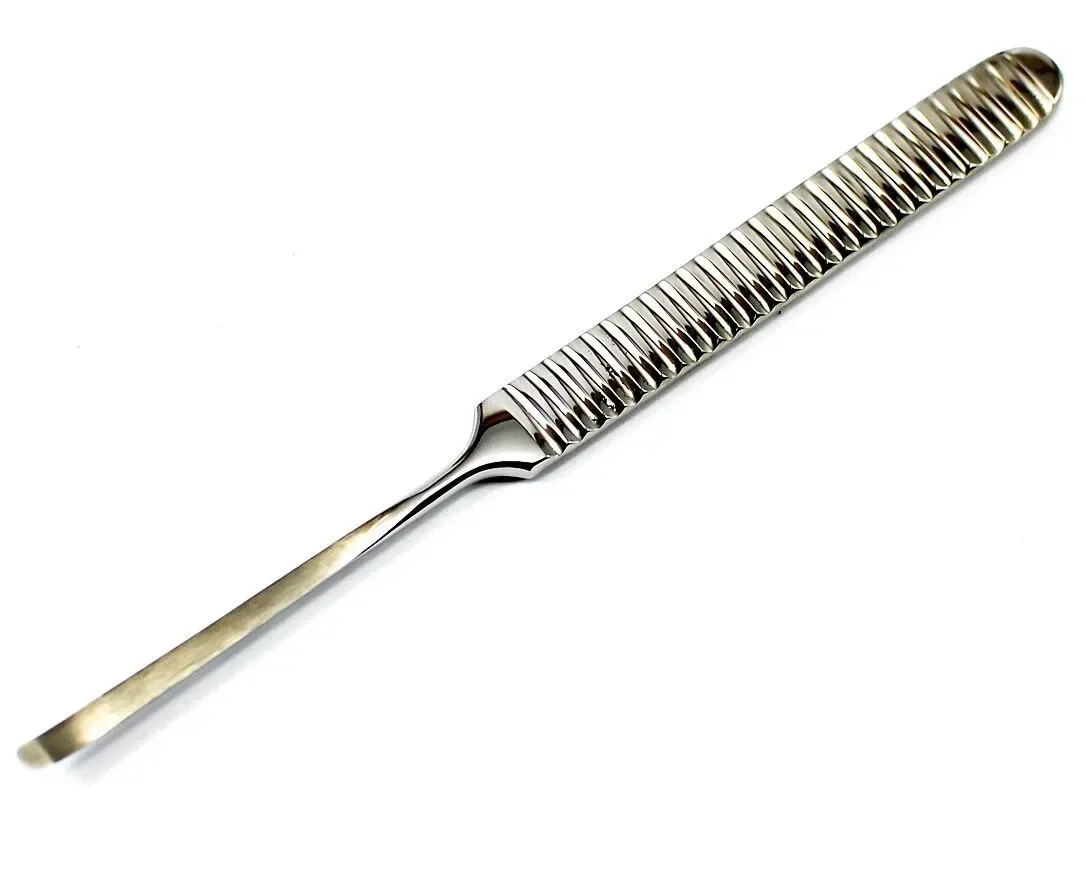
Williger Periosteal Elevators
Williger periosteal elevators are a named instrument pattern for lifting periosteal tissue away from bone in professional oral surgery. Compare the working-end design and order by reference.
Periosteal Elevators Selection Summary
| Specification | Details |
|---|---|
| Listed instrument | Williger periosteal elevator, ordered by reference |
| Williger form shown | One bent working end and a flat ribbed handle; working-end outline, blade width, distal bend and overall length vary independently |
| Not a root elevator | Periosteal elevators lift tissue away from bone; root elevators loosen teeth and roots |
| Patterns described for comparison | Molt No. 9 (double-ended, pointed and broader rounded ends) and Freer (a working tip at each end); not listed as products |
| Order identity | Pattern, exact reference, working-end width and outline, distal bend, overall length, handle, and quantity |
Other Surgical Instruments Subcategories
Periosteal Elevators FAQ
Which periosteal elevator is listed on this page?
The Williger periosteal elevator, ordered by reference. Molt, Freer and other periosteal patterns are described for comparison but are not listed as products here: send the exact reference and working-end dimensions if you need one.
Is a periosteal elevator the same as a root elevator?
No. A periosteal elevator, such as the Williger, lifts and separates periosteal tissue from bone, while a root elevator belongs to tooth or root loosening. The shared word elevator does not make the instruments equivalent: the tissue task and the working-end form identify the instrument family.
Why should the word periosteal remain on an elevator order line?
It identifies the soft-tissue surgical instrument family and keeps the requirement separate from root-elevator patterns in the extraction range. Add the selected Molt, Williger or other full pattern reference to that family name. This preserves both the instrument class and the particular working end when a purchasing list contains several kinds of elevators.
How do I compare Molt and Williger periosteal-elevator patterns?
Start with the full manufacturer reference and working ends, then check dimensions and handle configuration. Makers list several Molt versions and describe Williger elevators as single-blade instruments with rounded and pointed options, so keep face and side views with the reference you select. A matching family name or an overall length alone does not settle the comparison.
Does a double-ended periosteal elevator count as two instruments?
No. It is one complete instrument with two working ends. Compare the shape and width of both ends, because the second end is part of the selected configuration, and list the complete reference and quantity on an order or set schedule rather than counting each end as a separate instrument.
What is needed to match a periosteal elevator already in my tray?
Provide its full pattern or reference, overall length, clear views of each blade face and side, and any visible markings, and add the working-end widths when they control the replacement. Showing the blade form as well as the handle lets a proposed match be compared with the instrument you already use.
Can two periosteal elevators with the same length be treated as the same item?
No. Use length as one comparison field, together with the reference, blade profile, widths and number of ends. Different references can share an overall length while describing different working ends, so keep the complete reference on repeat orders instead of merging entries because their length labels match.
Need Periosteal Elevators in Bulk?
Send your instrument list and quantities for manufacturer-direct pricing, custom branding, or mixed-category quotes.