
Periodontal Instruments

Williger Periosteal Elevators

Williger periosteal elevators are a named instrument pattern for lifting periosteal tissue away from bone in professional oral surgery. Compare the working-end design and order by reference.

Select an option to see its details and include it in your quote.

Listed pricing
Listed configuration $5.00
In stock. Final price depends on the selected configuration and order requirements.
Choose an option4 available

Pick an option to add it to your quote request, or compare every option below.

Product code
DIS-VAR-0057
Options
4 available
MOQ
confirmed with your quote

Courier delivery. We ship through DHL, FedEx or another available courier, depending on your destination. We confirm the courier, shipping cost and estimated delivery time with your order. Shipping details

About Williger Periosteal Elevators

The Williger is a named pattern of periosteal elevator, used in professional oral surgery to lift and separate the periosteum, the tissue covering the bone, away from the bone surface.

Why the reference matters

Williger elevators do not all share one working-end geometry. Several attributes describe the instrument, and each is independent of the others:

  • Working-end outline: the shape of the end that contacts the tissue.
  • Blade width: how wide that working end is.
  • Distal bend: a straight-bodied elevator can still have a bent tip.
  • Overall length: the size of the instrument as a whole.

Because of this, two elevators with the same name, or even the same length, are not necessarily the same instrument. When you replace a Williger elevator, match the reference and the working-end design together, not the name or length alone.

Periosteal elevator or root elevator?

A periosteal elevator lifts tissue away from bone. A root elevator is a different instrument, used to loosen teeth and roots. See our root elevators. Other periosteal elevator patterns also exist, and a pattern name identifies its design: it does not mean the working end matches that of another pattern.

Requesting a quote

Our Williger elevators are listed under four references: DIS-CAT-0573, DIS-CAT-0574, DIS-CAT-0575 and DIS-CAT-0576. Request a quote with the reference you need and the quantity. If you are replacing an instrument, include its reference to identify the configuration required.
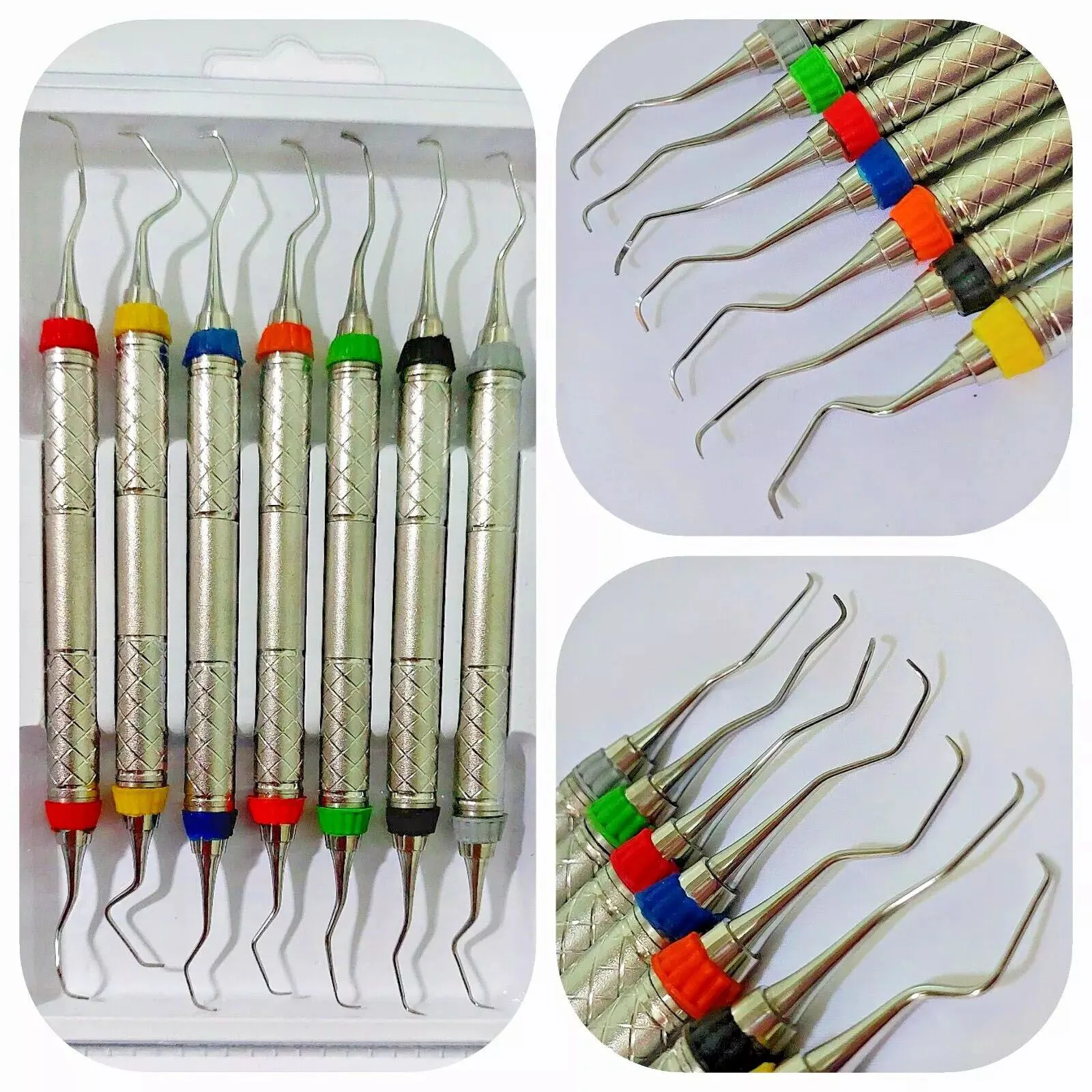
Periosteal elevator types and selection

Available Options

Compare the product code and attributes before requesting a quote. Choose an exact option whenever you are matching an existing order.

4 options
OptionProduct codeAttributesPricingRequest quote
13 cmDIS-CAT-0576Length: 13 cmListed configuration $5.00Select for Quote
16 cm — pattern 240DIS-CAT-0574Length: 16 cm, Catalog Reference: 240Listed configuration $5.00Select for Quote
16 cm — pattern 241DIS-CAT-0575Length: 16 cm, Catalog Reference: 241Listed configuration $5.00Select for Quote
17 cmDIS-CAT-0573Length: 17 cmListed configuration $5.00Select for Quote
Have experience with Williger Periosteal Elevators?Share verified buyer or evaluator feedback. It takes about a minute.

Williger Periosteal Elevators Questions

What distinguishes a Williger periosteal elevator from a root elevator?

Williger is a periosteal-elevator pattern for lifting or separating periosteal tissue from bone, while a root elevator belongs to tooth or root loosening. The shared word elevator does not make the instruments equivalent: the tissue task and the working-end form identify the instrument family.

Can a Williger instrument have a straight body and a bent working end?

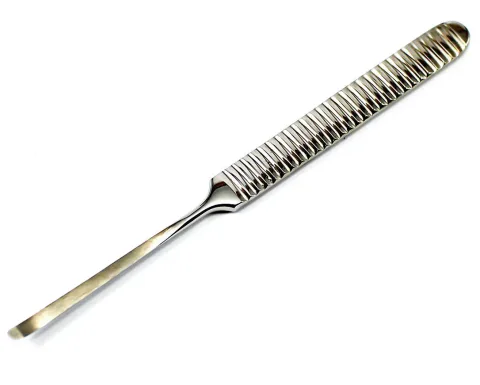
Yes. Body or shaft curvature and distal working-end curvature describe different parts of the instrument, so a comparatively straight body can coexist with a bent end. This Williger form has a bent working end and a flat ribbed handle.

Is overall length enough to compare two Williger elevators?

No. Overall length measures the whole instrument, while working-end width, outline and distal bend describe the part used for tissue elevation. Williger ranges can differ in those end features, so compare the working-end description and reference alongside the length when you match models.

What handle form does this Williger elevator have?

This form has a flat ribbed handle. Handle shape is useful for identifying an instrument, but it is separate from the blade outline and the end width, so match the working end as well as the grip form when you compare it with an existing Williger instrument.

How does the Williger shown here differ from a double-ended Freer elevator?

The Williger shown has one bent working end and a flat ribbed handle, while a Freer elevator places a working tip at each end of one handle. Single-ended and double-ended construction are different periosteal-elevator formats, so identify which one you need when you match a pattern.

WhatsApp