Restorative Instruments

Double-Ended Composite Instrument Set, 6 Pieces

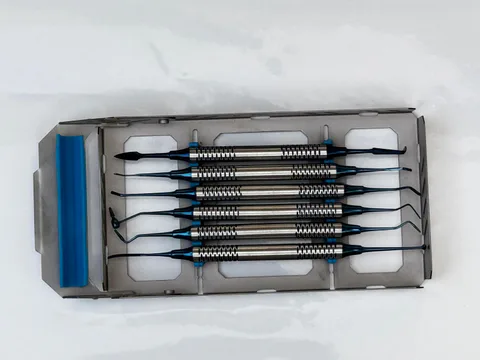
Set of six double-ended composite instruments, twelve working ends in all, for placing, packing and shaping composite, supplied in a matching metal cassette.

Product code
DIS-REST-COMP-6PC
Size
Six instruments; working-end shapes confirmed in your quotation
MOQ
confirmed with your quote

Courier delivery. We ship through DHL, FedEx or another available courier, depending on your destination. We confirm the courier, shipping cost and estimated delivery time with your order. Shipping details

About Double-Ended Composite Instrument Set, 6 Pieces

Six double-ended composite instruments for placing, packing and shaping composite, with twelve working ends in all. A matching metal cassette holds all six. The working ends are dark, and the handles carry blue accents. Composite, bonding agents and curing equipment are not included.

Match an instrument

In the main photo, rows run from 1 at the top to 6 at the bottom. End A is on the left and end B is on the right. Quote a row such as 4A/4B, or a single end such as 3B, with the quantity. Add close-up photos and any end widths you need. Record both ends of each instrument, because a match at one end can miss a different shape or angle at the other. Check the shape and dimensions in your quotation before you approve.

Material, samples and care

  • Ask for the material and any coating in your quotation. Colour does not identify either.
  • Evaluation samples are available, so a qualified clinician can assess them with the composite you use.
  • Ask for the care and processing instructions for the instruments and the cassette. Use the cassette in processing only where those instructions allow it.

Order by number of sets. Our composite selection checks cover what to confirm. You can also browse all restorative instruments.
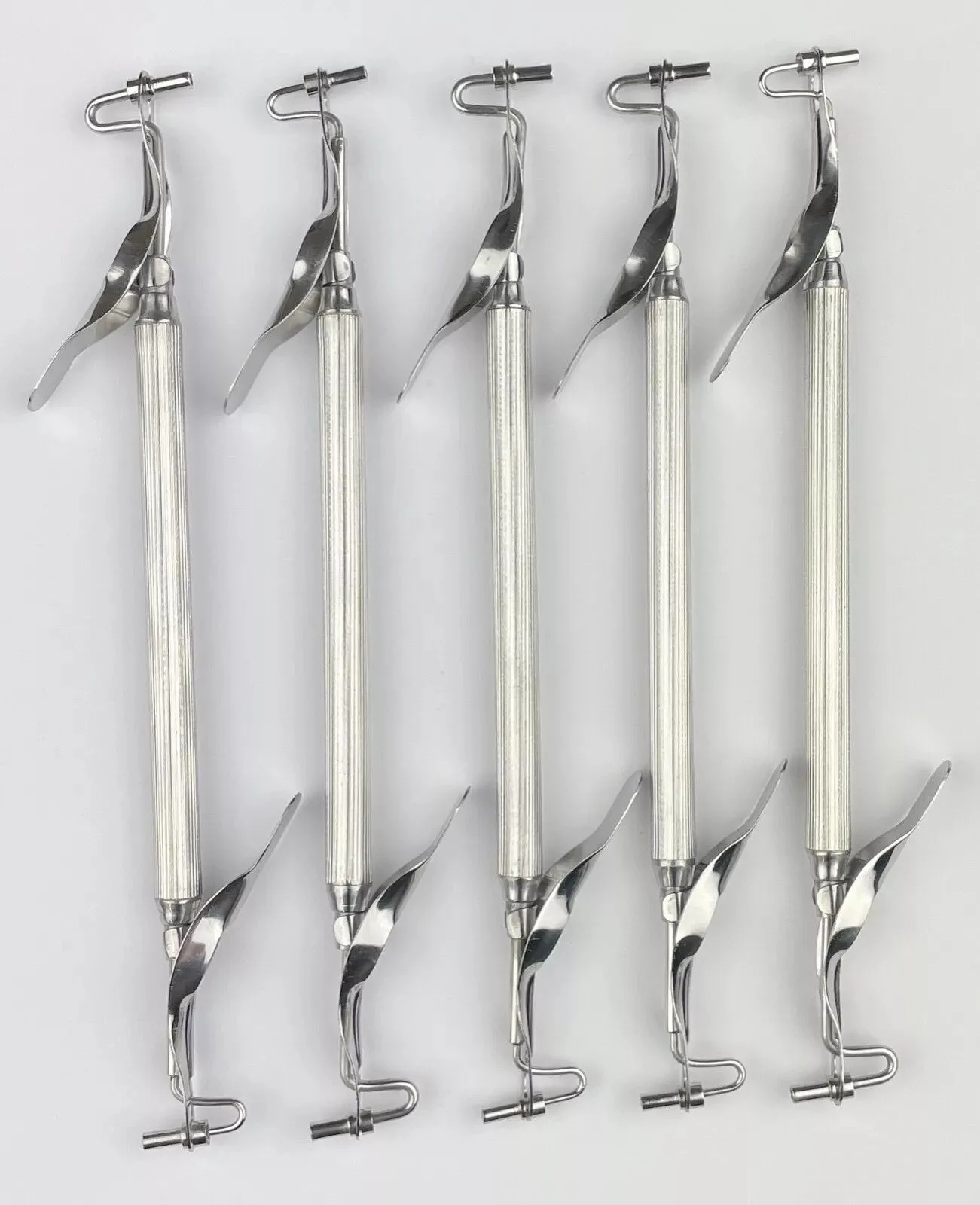
What Is Included in the Kit?

Match the product code below to your selected option. Each schedule applies only to that configuration.

Six double-ended instruments and one cassette — DIS-REST-COMP-6PC

Counts describe complete instruments, not the number of photographs or working ends.

DIS-REST-COMP-6PC component schedule
ComponentCount basisQuantity
Composite hand instrumentEach has two working ends6
Metal cassetteContainer, not an instrument1

Six instruments plus cassette = seven physical units; not seven instruments.

The approved configuration must retain the photographed tip assortment. Consumables are not included.

Request This Configuration
Have experience with Double-Ended Composite Instrument Set, 6 Pieces?Share verified buyer or evaluator feedback. It takes about a minute.

Double-Ended Composite Instrument Set, 6 Pieces Questions

How many instruments and working ends are in the six-piece composite set?

The set has six complete double-ended composite hand instruments, which gives twelve working ends. The six-piece count refers to complete instruments, not individual tips.

What types of working profiles are included?

The assortment combines broader paddle- or leaf-like ends with narrower and angled profiles for manual composite placement and contouring. Compare the two ends of each instrument when you choose a pattern: width and terminal shape describe the working surface, and shaft angulation describes its orientation to the handle.

Is every six-item composite instrument kit equivalent to this set?

No. Six-item kits can have different constructions and purposes: some combine handles, mounted spatulas and rubber tools, and others group instruments for indirect-composite laboratory work. This offer is six complete double-ended hand instruments, so compare the item types and working profiles as well as the count when you buy a replacement assortment.

Is a composite instrument set the same as a set of restorative materials?

No. This offer is six complete double-ended hand instruments used for manual composite placement and contouring. An instrument schedule records the tools and their working profiles, while a restorative-material schedule records the materials used with them, so compare the two schedules separately.

Why should a repeat order identify both ends of each composite instrument?

A double-ended instrument is defined by a pair of working profiles, and matching one end can overlook a different shape or angle at the other. Record both profiles, their required widths and the shaft angulation, together with the complete handle form, to compare an exact pattern across the six tools.

Does the dark surface identify a coating or guarantee reduced composite sticking?

No. The dark working ends and blue handle accents are visible features, but colour does not identify a material or coating, and the coating of this set is confirmed in your quotation, not from its appearance. Ask for the material, any coating and the care instructions for the six instruments and the matching cassette. If reduced sticking matters, assess an evaluation sample with the composite you normally use, under review by a qualified clinician, before ordering. We do not guarantee reduced sticking.

How should I protect the working ends of these composite instruments?

Follow the care and processing instructions for this exact set and its cassette. Ask for them in your quotation. Check how they say to protect and separate the working ends during use, transport and processing, and how to remove residue. Do not assume anything about the surface or coating until the instructions or your quotation confirm it.

How do I tell you which instrument in the photo I want to match?

Use the photo codes. The rows run from 1 at the top to 6 at the bottom of the main photo. A is the end on the left and B the end on the right. Give the row, or a single end such as 3B, and the quantity. The codes only point to an end in the photo. Check the shape and dimensions in your quotation before you approve.

WhatsApp