Diagnostic Instruments

Dental Explorer-Probe Combinations

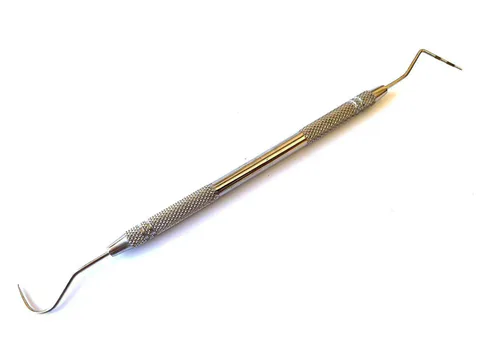
Dental explorer-probe combinations bring examination and periodontal measurement functions together. Compare the explorer figure, probe marking pattern and handle form when selecting an instrument.

Select an option to see its details and include it in your quote.

Listed pricing
Single piece $4.00
In stock. Final price depends on the selected configuration and order requirements.
Product code
DIS-VAR-0073
Options
8 available
MOQ
confirmed with your quote

Courier delivery. We ship through DHL, FedEx or another available courier, depending on your destination. We confirm the courier, shipping cost and estimated delivery time with your order. Shipping details

About Dental Explorer-Probe Combinations

An explorer-probe combination brings a dental explorer and a periodontal probe together. The explorer is used for tactile examination; the probe provides a graduated measurement reference. The pairing identifies the instrument more clearly than the term "combination" alone.

The #23 explorer and Williams probe

  • #23 explorer: a fine, pointed end for tactile examination of tooth surfaces and restoration margins.
  • Williams periodontal probe: a graduated end that gives a measurement reference for periodontal measurement and charting.

Neither end is a scaler; the instrument is for examination and measurement.

Choosing a combination

An explorer-probe combination is defined by its pairing, and the two ends are chosen independently:

  • Explorer figure: "#23" names the explorer end. It is not a probe scale.
  • Probe pattern: "Williams" names the probe end and its marking convention. Other probe patterns use different markings.
  • Handle form: hollow, solid or another style is a separate construction choice.

A #23 explorer paired with a different probe pattern, or a different explorer paired with a Williams probe, is a different instrument. If your tray list calls for a #23/Williams combination, both names must appear in the required configuration. A probe-only instrument serves a different arrangement, where the explorer is a separate instrument.

"Double-ended" describes one instrument with two working ends. It does not mean two instruments.

Requesting a quote

Request a quote with the explorer figure, probe pattern, handle requirement, ordering reference and quantity you need. For other examination instruments, browse our diagnostic instruments.
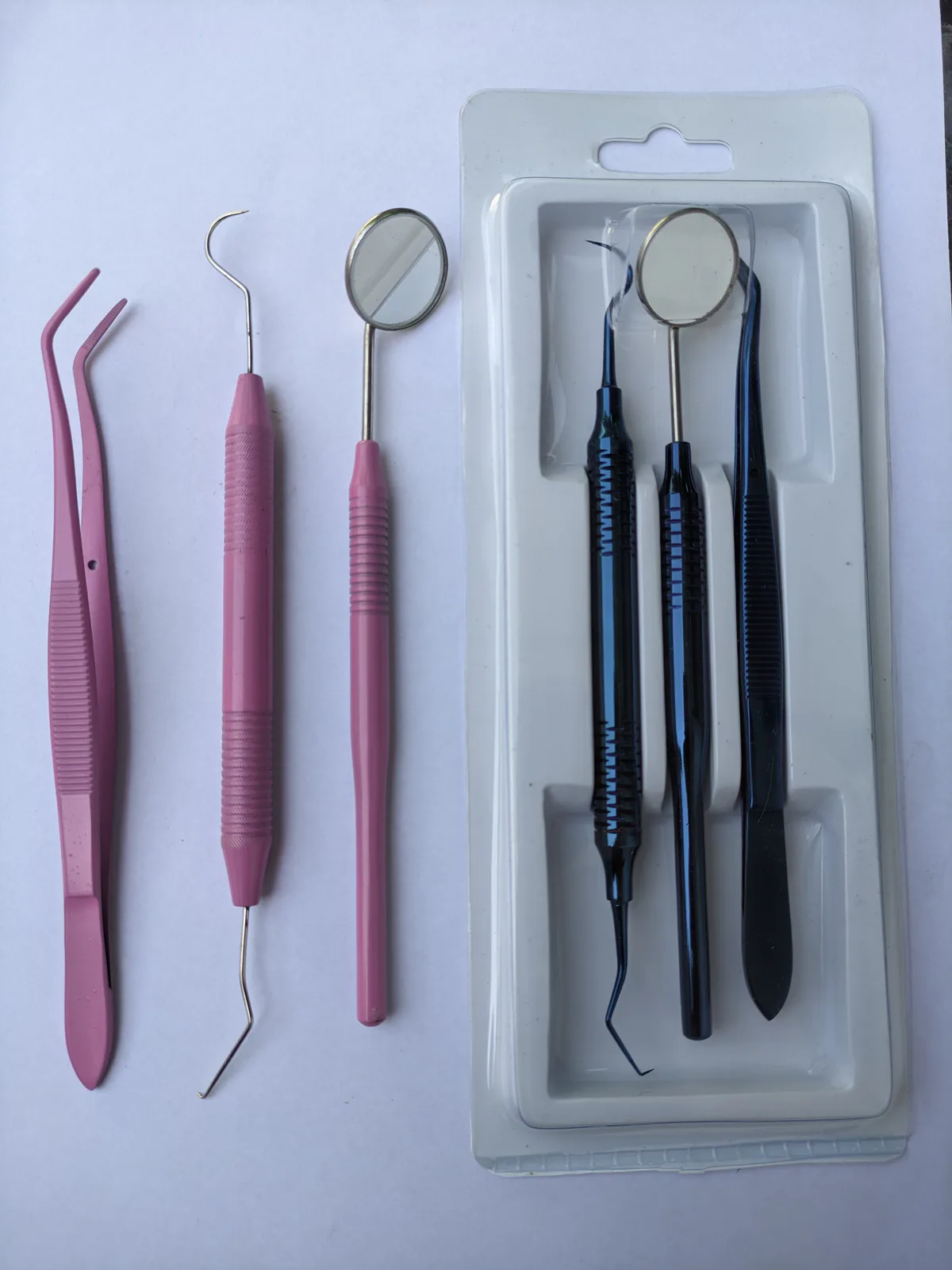
Dental instrument names and uses

Available Options

Compare the product code and attributes before requesting a quote. Choose an exact option whenever you are matching an existing order.

8 options
OptionProduct codeAttributesPricingRequest quote
Explorer-probe option (SKU DIS-CAT-0783)DIS-CAT-0783Product code: DIS-CAT-0783Single piece $4.00Select for Quote
Explorer-probe option (SKU DIS-CAT-0784)DIS-CAT-0784Product code: DIS-CAT-0784Single piece $4.00Select for Quote
Explorer-probe option (SKU DIS-CAT-0785)DIS-CAT-0785Product code: DIS-CAT-0785Single piece $4.00Select for Quote
Explorer-probe option (SKU DIS-CAT-0786)DIS-CAT-0786Product code: DIS-CAT-0786Single piece $4.00Select for Quote
Explorer-probe option (SKU DIS-CAT-0787)DIS-CAT-0787Product code: DIS-CAT-0787Single piece $4.00Select for Quote
Explorer-probe option (SKU DIS-CAT-0788)DIS-CAT-0788Product code: DIS-CAT-0788Single piece $4.00Select for Quote
Explorer-probe option (SKU DIS-CAT-0789)DIS-CAT-0789Product code: DIS-CAT-0789Single piece $4.00Select for Quote
Explorer-probe option (SKU DIS-CAT-0790)DIS-CAT-0790Product code: DIS-CAT-0790Single piece $4.00Select for Quote
Have experience with Dental Explorer-Probe Combinations?Share verified buyer or evaluator feedback. It takes about a minute.

Dental Explorer-Probe Combinations Questions

Does double-ended mean this explorer-probe is a two-piece instrument set?

No. This is one double-ended instrument combining a Williams probe and a #23 explorer on a hollow handle. Double-ended describes its two working ends, and supplied pieces are counted by complete instruments.

What is the #23 explorer end used for?

The explorer end supports tactile examination of tooth surfaces and restoration margins, a different task from the graduated periodontal probe at the opposite end. The #23 designation identifies the explorer figure when you compare combination instruments.

What does the Williams probe end contribute to the combination?

The Williams end provides a graduated reference for periodontal measurement and charting. Identify its pattern independently of the explorer figure, and compare the probe pattern and the actual marked scale when you match a required diagnostic-instrument specification.

Does #23 identify the probe pattern in this combination?

No. #23 identifies the explorer figure, while Williams identifies the periodontal probe pattern. Keeping both names together distinguishes this combination from instruments that pair the same explorer with another probe, or another explorer with a Williams probe.

How does an explorer-probe combination compare with a probe-only instrument?

A combination places the explorer and probe roles on opposite ends of one handle, while a probe-only instrument supplies the probe role without that paired explorer arrangement. The choice is about the instrument layout and the exact working-end pairing you need, not the number of ends alone.

WhatsApp